A homicide investigation later concluded there was no evidence of foul play. Kim, however, has continued to argue that the findings failed to address what she believes the photos revealed—and she has publicly described the outcome as a cover-up.
The Las Vegas Exhibit That Changed Everything
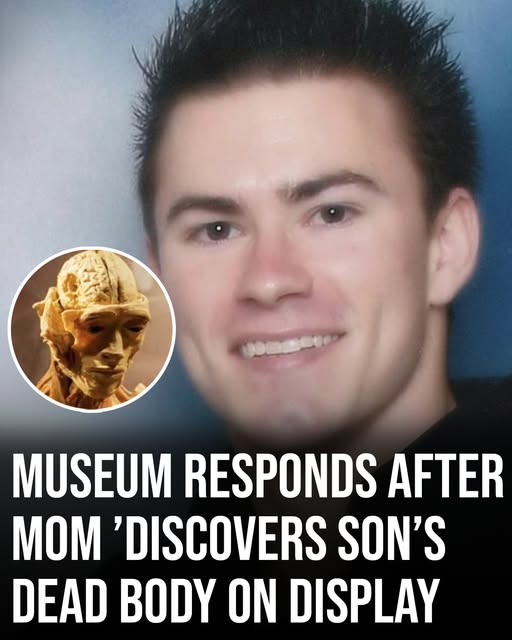
Years later, Kim visited a well-known Las Vegas anatomical display, the Real Bodies exhibition. Inside, she saw a plastinated human specimen commonly referred to as “The Thinker”—a seated figure with skin removed to show muscles and skeletal structure.
Kim says she didn’t view it as a medical display. She believed she was looking at her son.
Her claim centered on what she described as a distinctive fracture near the right temple—an injury she says matched Chris’s medical information. To her, the resemblance was not vague or emotional; she believed it was specific, physical, and unmistakable.
Museum Response: “The Timeline Makes It Impossible”
The allegation triggered immediate controversy and a high-profile dispute involving the exhibition’s organizers and parent company, Imagine Exhibitions, Inc. Kim demanded DNA testing to confirm the identity of the specimen. The exhibition publicly rejected the claim, stating there was no factual basis for it.
According to the organizers, “The Thinker” had been sourced legally from China and had been displayed in Las Vegas since 2004—years before Chris died in 2012. They also pointed to the realities of plastination, a process that can take many months and requires specialized lab work. In their view, transporting a body, completing plastination, and placing the specimen into an established exhibit shortly after a 2012 death would be logistically and scientifically unrealistic.
The exhibition also referenced archived images from the early 2000s to support their timeline. Still, Kim has maintained that the explanations do not resolve her concerns.
The Specimen Is Removed—and the Questions Grow
After the story gained attention, Kim said the specimen was removed from the Las Vegas display. She later claimed it was moved to Tennessee, and then she lost the ability to track where it went. To her, the removal didn’t settle the matter—it deepened her suspicion that something was being hidden.
A New Lead After a Disturbing Discovery in 2023
In July 2023, reports surfaced that numerous piles of unidentified cremated human remains had been found in the Nevada desert. For Kim, it represented another possible thread to pull—another chance, however slim, to find evidence that could connect back to her son.
She called for forensic testing, hoping investigators could determine whether any of the remains showed signs of chemicals associated with plastination. Her efforts, she says, are driven by a belief that her son was failed by the system—and that she has a responsibility to keep pushing until she gets proof she can live with.
The Bigger Debate: Human Remains, Public Displays, and Transparency
Beyond one family’s grief, the case highlights a larger ethical issue: how human remains are sourced, documented, and presented in public anatomical exhibitions. Supporters argue these displays can educate the public about anatomy and health. Critics question whether every specimen is truly traceable, fully consented, and handled with the transparency families would expect.
The exhibition has maintained that its specimens are ethically sourced and that individual identification is not feasible. Authorities, for their part, have not indicated they plan to reopen the case. That leaves the public with two competing narratives: one rooted in institutional documentation and timelines, and another rooted in a mother’s conviction that she recognized her child in a place no parent ever expects to see them.
For Kim Erick, the story isn’t about headlines or controversy—it’s about closure. And until she believes she has it, she says the search continues.
What do you think—should anatomical exhibits be required to provide stronger sourcing documentation and independent verification? Share your thoughts in the comments, and if you want more deep dives into disputed true stories and public records controversies, subscribe and check back for the next update.