What Is Frontotemporal Dementia?
According to neurological experts, frontotemporal dementia is a group of brain disorders caused by degeneration in the frontal and temporal lobes of the brain.
These areas help control:
Language
Behavior
Personality
Decision-making
Emotional responses
Unlike Alzheimer’s disease, which often begins with memory loss, FTD usually starts with changes in communication or social behavior.
Common symptoms may include:
Difficulty speaking or understanding language
Behavioral changes
Reduced emotional awareness
Trouble planning or organizing tasks
Changes in personality
Gradual movement difficulties
Experts say symptoms and progression can vary significantly from person to person.
Why FTD Often Goes Unrecognized
One reason frontotemporal dementia remains less understood than other neurological conditions is because it often appears earlier in life.
Researchers estimate many cases develop between ages 40 and 65, although older adults can also be affected.
Because symptoms may first resemble stress, depression, personality shifts, or communication issues, diagnosis can sometimes take time.
Medical specialists emphasize the importance of neurological evaluation when unexplained behavioral or language changes begin interfering with daily life.
Emma Heming Willis Has Become a Major Advocate
Bruce Willis’s wife, Emma Heming Willis, has publicly spoken about the emotional and practical challenges families face while caring for loved ones with dementia.
Through interviews and public advocacy, she has emphasized the importance of:
Education
Caregiver support
Awareness
Compassion
Mental health resources
She has also encouraged people to learn more about frontotemporal dementia and support research efforts focused on treatment and early diagnosis.
Her openness has resonated with many caregivers navigating similar experiences privately.
Bruce Willis’s Family Continues Supporting Him Publicly
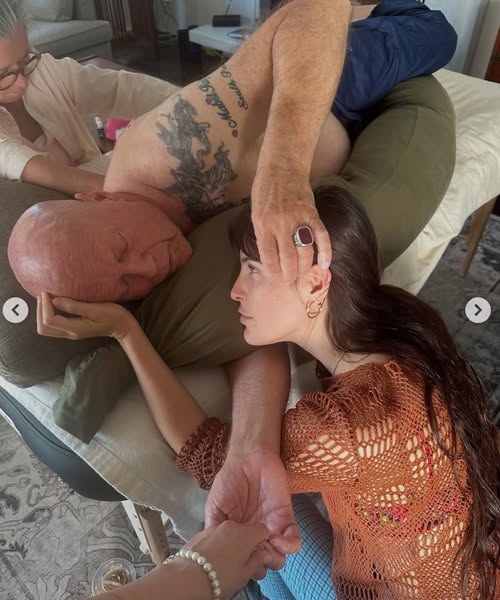
Willis’s daughters — including Rumer Willis, Scout Willis, and Tallulah Willis — have also shared emotional messages of support and gratitude publicly.
The family has consistently emphasized privacy, love, and togetherness while helping raise public understanding about the disease.
Their transparency has helped many families feel less isolated while facing neurological conditions of their own.
There Is Currently No Cure for FTD
Medical experts confirm that frontotemporal dementia currently has no known cure.
However, several therapies may help patients maintain quality of life and manage symptoms for as long as possible.
Supportive care strategies often include:
Speech therapy
Occupational therapy
Physical therapy
Counseling
Caregiver support programs
Neurologists stress that early diagnosis and supportive planning can make a meaningful difference for both patients and families.
Why Awareness Matters
Since Willis’s diagnosis became public, organizations focused on dementia research have reported increased public awareness surrounding FTD.
Experts say celebrity disclosures can play an important role in helping people recognize symptoms earlier and seek proper medical evaluation.
Awareness also helps reduce stigma surrounding neurological conditions that are often misunderstood.
Because symptoms related to language or personality changes can sometimes be mistaken for intentional behavior, education becomes especially important for caregivers, friends, and communities.
A Legacy Bigger Than Hollywood
Even after stepping away from acting, Bruce Willis’s influence on film and entertainment remains enormous.
His performances helped define action cinema for an entire generation, while his work in comedy and drama demonstrated remarkable range throughout his career.
But many people now admire something else just as deeply:
The honesty and strength his family has shown while navigating a difficult diagnosis publicly.
By sharing their experience, the Willis family has helped bring global attention to a condition many people had never heard of before.
A Reminder About Compassion and Understanding
Frontotemporal dementia changes communication and behavior in ways that can feel confusing or painful for families.
But experts emphasize that empathy, patience, and emotional connection remain incredibly important for people living with the condition.
Small moments — music, conversation, shared memories, quiet companionship — can still carry enormous meaning.
Willis’s story serves as a reminder that neurological illnesses affect not only individuals, but entire families and communities.
And greater understanding can make those journeys a little less isolating.
Join the Conversation
Were you familiar with frontotemporal dementia before Bruce Willis’s family shared his diagnosis? Share your thoughts in the comments and follow for more health awareness stories, medical insights, and inspiring conversations about resilience, caregiving, and neurological health.