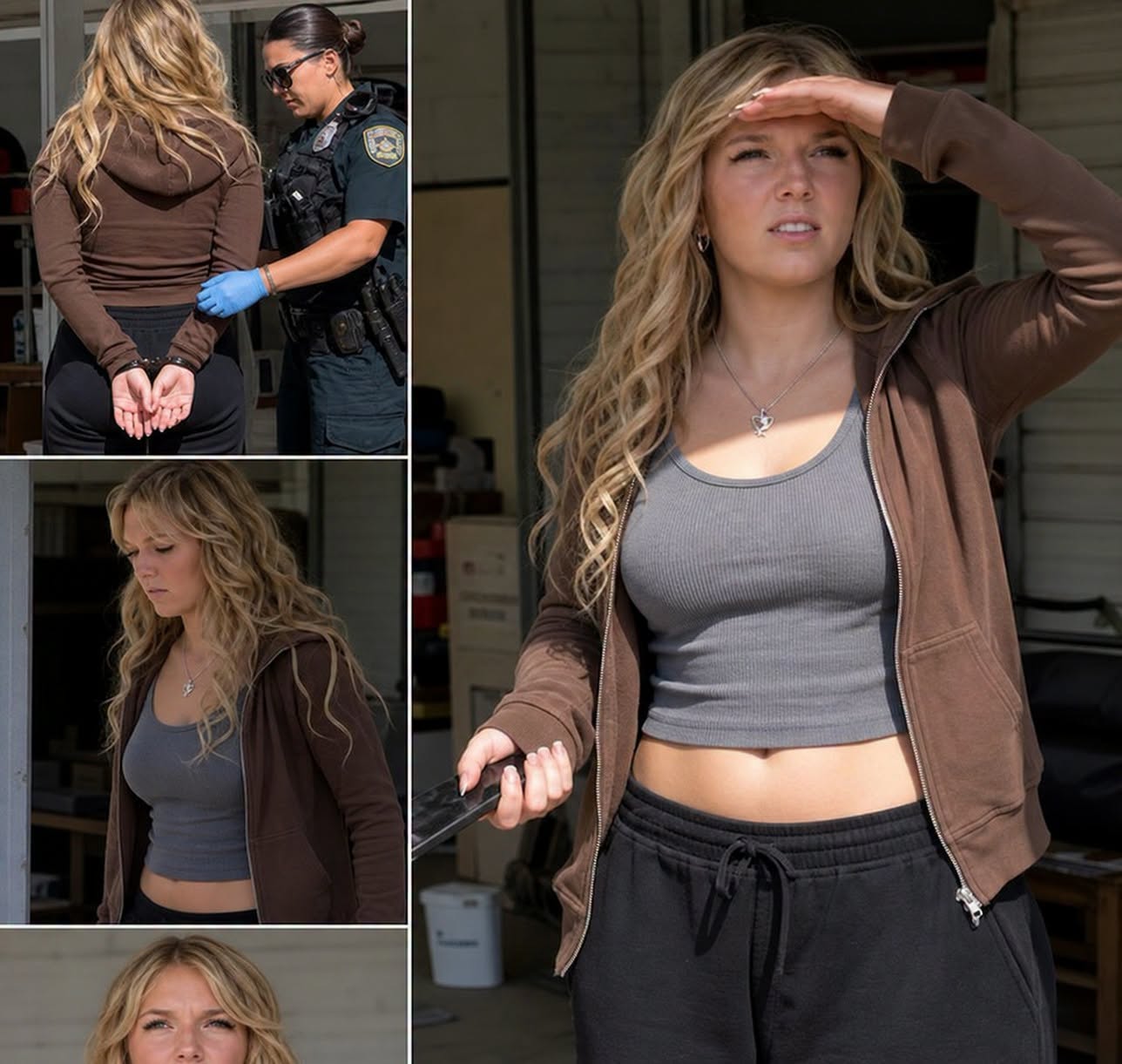
Videos were reposted, slowed down, cropped, and paired with confident explanations from people who were not there. Some viewers treated the person at the center of the scene as dangerous. Others guessed at a private crisis, a family issue, or a wider social meaning. The same few seconds were used to support completely different conclusions.
That is one of the problems with viral footage. A camera can capture a moment, but it rarely captures a life. It may show what happened in front of the lens, while missing the cause, the context, and the consequences.
For the person filmed, the incident did not end when the crowd left. A public mistake or breakdown can follow someone into family conversations, workplaces, neighborhoods, search results, and private messages. The people sharing the clip may move on quickly, but the subject of the video may not get that choice.
Recording Is Not the Same as Broadcasting
Public recordings can matter. Video may help document police conduct, preserve evidence, or clarify what witnesses saw. In some cases, recording can serve a genuine public interest.
But uploading footage for mass attention is a different decision. Once a clip enters the social media system, control is mostly gone. Faces can be identified. Names can be guessed. False claims can attach themselves to a person before verified information is available. Reaction pages and engagement-driven accounts may then reward the most emotional version of the story, not the most accurate one.
There is also a privacy and digital safety issue that is easy to ignore in the moment. A person filmed during distress may be exposed to harassment, unwanted contact, or lasting reputational harm. Even when no serious charge or injury is involved, the online penalty can become far greater than the real-world incident.
The presence of cameras can also change the scene itself. Instead of backing away, calling for appropriate help, or giving officers room to work, bystanders may move closer for a better angle. Attention becomes part of the pressure. A person already losing control is suddenly surrounded not only by a crowd, but by an audience.
The Bigger Picture
This incident raises a question that reaches beyond one square and one viral clip: when does documenting public life become turning someone’s worst moment into entertainment?
The answer is not to pretend public behavior has no consequences. It is not to ignore wrongdoing or discourage evidence when evidence is needed. The harder point is that evidence and spectacle are not the same thing.
A more responsible response would leave room for facts before judgment. It would recognize that a short video may be useful without making it a meme. It would also accept that a person can have a terrible public moment without being reduced to that moment forever.
Before sharing the next clip of someone in crisis, it may be worth asking a simple question: does posting this help anyone understand what happened, or does it only make a stranger easier to punish?