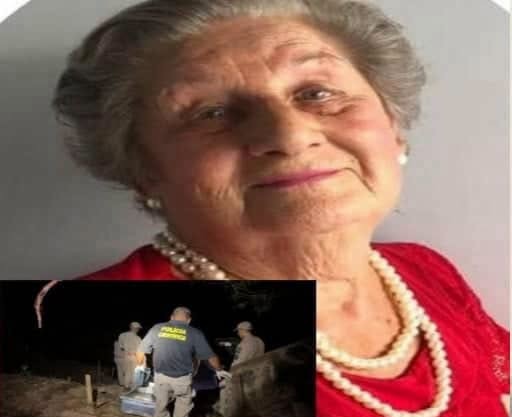
Inside, staff discovered that the woman had died.
A Private Life Behind an Ordinary Door
There were no public details suggesting a dramatic scene. Her death did not become a national headline or a major television story. Still, for the workers who had seen her during those final weeks, the discovery likely left a mark.
Motels and hotels are places of constant movement. People arrive, pay for a room, stay a night or several weeks, then leave. Staff may exchange a few words with guests, but they rarely know the full circumstances that brought someone there.
That is part of what makes this story so unsettling. A person can be visible every day and still remain largely unknown.
There may have been personal reasons for the woman’s motel stay. She may have had relatives, friends, or private circumstances that were never made public. Without those details, it would be unfair to draw conclusions about her life or the choices she made.
What can be said is simpler: her death has become a quiet reminder that many older adults live with limited daily contact, and that loneliness is not always obvious from the outside.
Why This Matters
Stories like this often stay with people because they touch a fear many families recognize. An older parent, neighbor, or longtime friend may insist they are fine, even when they are becoming more isolated. Others may avoid asking for help because they do not want to be a burden.
Isolation among older adults can be difficult to spot. Someone may still pay bills, run errands, or answer occasional calls while spending most days alone. A quiet routine can look like independence, even when a person would benefit from more regular contact.
For relatives and neighbors, that makes small gestures more important than they may seem. A short phone call, a quick visit, or a simple knock on the door can interrupt long stretches of silence. It can also create a pattern that makes it easier to notice when something changes.
For hospitality workers, the case also highlights the human side of long-term motel stays. Staff members are not family members or caregivers, but they are sometimes among the few people who see a guest regularly. When a guest suddenly stops responding, ordinary procedures can become a crucial welfare check.
What Readers Should Know
The woman’s death should not be used for speculation about her family, health, or private life. The available facts are limited, and her personal circumstances were not fully public.
But the broader lesson is worth holding onto. People can slip into loneliness without announcing it. Older adults, especially those living alone or staying temporarily away from home, may need connection in ways that are easy to overlook.
If there is an older person in your life, consider making contact before there is a reason to worry. Ask how they are doing, but also listen for what is not being said. A regular check-in can be a practical act of care, not just a kind gesture.
The quiet end of one woman’s motel stay leaves a simple thought behind: noticing people matters, especially when they have stopped asking to be noticed.