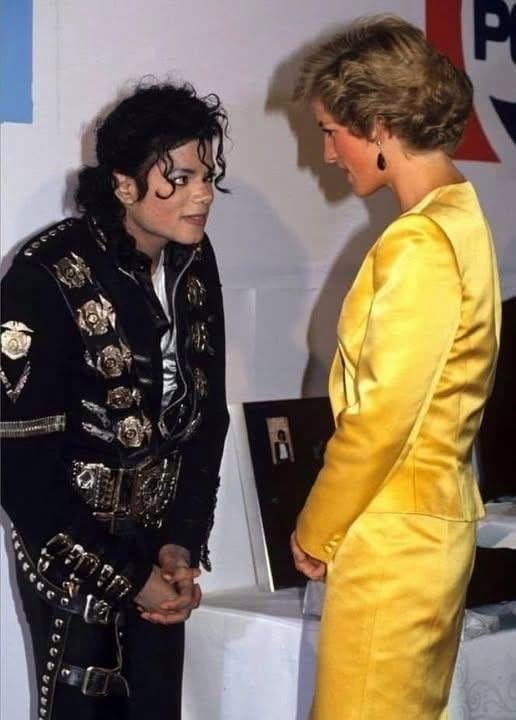
That single detail shifted the way the whole image was understood. What had seemed like a standard archival photograph suddenly felt more like a visual puzzle.
Why Viewers Kept Looking Twice
When the photo was shared, many people had the same reaction. They looked at it quickly, saw nothing unusual, and moved on. But after being told to examine it again, attention kept landing on the same area of the frame.
Some viewers looked for a simple explanation. It could have been perspective, lighting, a shadow, or a reflection from something outside the camera’s view. Those are all common reasons photographs can appear strange, especially when a moment is captured from one fixed angle.
Others were less convinced. To them, the detail looked too specific to dismiss easily. The more people examined it, the more the image seemed to invite competing interpretations rather than one clear answer.
The Bigger Picture
Part of the photo’s appeal is that it shows how easily a small visual clue can change the story people think they are seeing. A photograph may look complete at first, but the smallest element in the background, the lighting, or the alignment of objects can alter the way viewers read the entire scene.
That is also why images like this tend to last. They reward patience. Instead of giving away everything immediately, they ask people to slow down, study the frame, and decide for themselves what they believe is happening.
In the end, the photo remains memorable not because of what is obvious, but because of what almost went unnoticed. Sometimes the most interesting part of an image is hiding in plain sight.