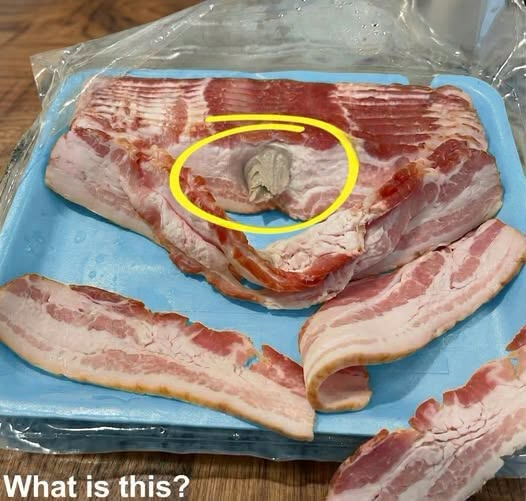
Why a Strange-Looking Meat Product Is Hard to Identify
One of the difficult parts of incidents like this is that photographs alone rarely provide a clear answer. Meat can contain natural animal tissue that shoppers do not often see in a recognizable form, including connective tissue, fat, cartilage, glands, or blood vessels.
Processing and trimming are meant to remove or reduce those materials before a product reaches the shelf. Still, unusual pieces can occasionally remain attached to a cut of meat. That does not automatically mean a product is unsafe, but it also does not mean consumers should ignore it.
Without a proper inspection, no one can reliably determine exactly what the object is based only on its appearance. That distinction matters because online reactions can quickly jump from concern to certainty, even when the facts are limited.
For the shopper, the main issue was not speculation. They wanted a clear answer from the retailer and the company responsible for producing the food.
What Readers Should Know
If you find something unusual inside packaged food, the safest step is simple: do not eat it. Keep the product and the original packaging if possible, because the label can contain important details such as the product name, lot number, establishment number, expiration date, and purchase information.
Those details can help a store, manufacturer, or food-safety authority trace when and where the item was produced. They may also help determine whether the issue appears isolated or whether other packages should be reviewed.
Consumers can contact the retailer for a refund or replacement, but the manufacturer is often the party that can investigate production records. Depending on the situation, suspected food-safety problems may also be reported to the appropriate government food-safety agency.
The key is to preserve evidence and avoid guessing. A product that looks disturbing may have an ordinary explanation, but a consumer should not have to make that call from a kitchen counter.
The Bigger Picture
Part of what makes a discovery like this so unsettling is the way packaged food creates distance between shoppers and the process behind the product. A sealed package, a familiar logo, and a clean supermarket display all suggest that the complicated work has already happened elsewhere.
When something unexpected appears inside that package, the comfort disappears quickly. Suddenly, the shopper is thinking about inspection, trimming, processing, refrigeration, and every step that occurred before the product reached the store.
For this shopper, breakfast was over before it began. The experience also reportedly changed the way they looked at packaged meat afterward, making them more likely to inspect products closely before cooking.
Most grocery purchases are routine, and most never raise a concern. But when something looks wrong, the best response is careful documentation, proper reporting, and letting the people responsible for food safety determine what happened.
It is a reminder that sometimes the most unsettling part of a food mystery is not knowing what you are looking at.