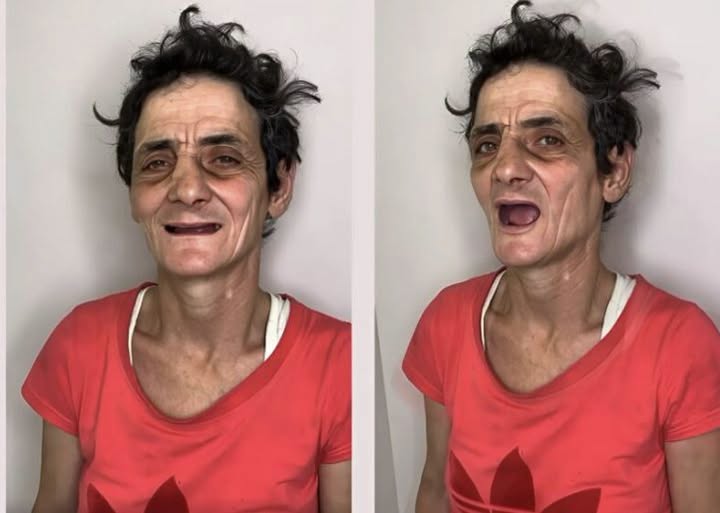
Rita had spent years trying to get through each day, not plan for the future. Living on the street meant collecting bottles for small amounts of money, finding food when she could, and facing cold nights with little protection. After losing her son, grief pushed her further into isolation, and over time, many people stopped seeing the person behind the hardship.
Her worn clothes and neglected appearance became the first thing strangers noticed. For employers, that often meant judgment before conversation. For Rita, it meant another closed door in a cycle that was already difficult to escape.
The Cycle That Kept Rita Stuck
Homelessness is rarely one problem by itself. Without a job, Rita could not easily afford stable housing, dental care, clean clothing, or grooming for interviews. Without those things, it became harder to be considered for work.
Her appearance was treated like proof against her, even though it reflected the reality of long-term hardship. Each rejection made it harder to feel as if she still had a place in the world around her.