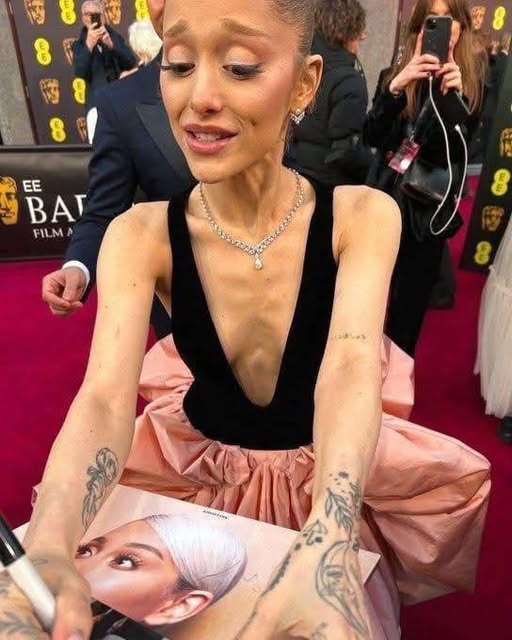
Why COVID-19 Is a Serious Threat to Professional Singers
For elite vocalists, COVID-19 isn’t only a health issue—it’s a career risk. The virus can irritate the respiratory system, affect breathing efficiency, and contribute to inflammation that may impact vocal cord function. Even mild cases can be frustrating for performers who rely on controlled airflow, stamina, and consistent tone.
That’s why many professional singers follow strict voice-care routines during illness. A common approach includes:
- Vocal rest (limiting speaking as much as possible)
- Hydration to support throat comfort and reduce irritation
- Avoiding strain such as humming, belting, or “testing” the voice too early
- Careful monitoring of breathing and fatigue levels
For someone at Grande’s level, these precautions aren’t “extra.” They’re the kind of voice protection strategies that help safeguard long-term vocal health and prevent setbacks that could disrupt future performances.
The Scheduling Reality: Why Recovery Can Force Major Business Decisions
When a top-tier artist gets sick, the ripple effect can be enormous. Rescheduling rehearsals, shifting recording sessions, postponing appearances, and renegotiating timelines can become a full-scale operational challenge. It’s not just about canceling one event—it can mean rebuilding weeks or months of planning.
This is also where the entertainment business has changed in the post-pandemic era. Many productions now build in flexibility because illness can affect anyone, at any time. In other words: health has become a key part of risk management.
Isolation as a Responsible Move—Not a PR Moment
Public figures have enormous influence, especially with younger audiences. When a celebrity openly steps back, isolates, and takes the situation seriously, it reinforces a message that still matters: staying home when you’re sick protects other people.
Responsible isolation typically goes beyond simply “not going out.” It can include limiting contact with others in the household, improving ventilation, disinfecting high-touch surfaces, and avoiding unnecessary in-person interactions. For high-profile performers, it also means protecting the teams that keep their careers moving—many of whom don’t have the same resources or flexibility.
Vocal Recovery Isn’t Instant: The Rehab Phase Matters
Even after symptoms improve, returning to full vocal strength can take time. Voice professionals often recommend a gradual return—especially after respiratory illness—because rushing can lead to strain and prolonged issues.
For performers, recovery may involve:
- Breath-control exercises to rebuild stamina
- Gentle warm-ups before attempting challenging material
- Step-by-step vocal loading (slowly increasing intensity over days or weeks)
- Professional support from medical providers and voice specialists when needed
Think of it like returning to elite training after being sidelined: the goal isn’t just to sing again—it’s to sing safely, consistently, and at a world-class level.
The Mental Health Side of Being Sick in the Public Eye
A diagnosis can also carry a heavy emotional load. Being ill is stressful enough, but doing it under constant public scrutiny adds another layer—especially when contracts, expectations, and online commentary don’t stop.
Many artists prioritize mental wellness during recovery by staying connected to trusted friends and family, limiting stress triggers, and using calming routines that help manage isolation. It’s a reminder that healing isn’t only physical. Restoring confidence, reducing anxiety, and easing back into normal life are part of recovery too.
What Fans’ Reactions Showed About Community and Awareness
The response from fans often becomes a powerful force during moments like this. Messages of support can help someone feel less alone, and they can also remind the public that illness can affect anyone—no matter how famous, wealthy, or “healthy” they appear.
It’s also a practical lesson: early testing, paying attention to symptoms, and taking precautions can prevent a manageable case from becoming something more serious.
A Lasting Lesson for the Music Industry
Ariana Grande’s experience highlighted something the entertainment world now takes more seriously than ever: protecting health is protecting the career. For singers, vocal health is professional capital. For touring teams and productions, safety protocols and flexible scheduling aren’t optional—they’re essential.
In the end, the biggest takeaway isn’t celebrity drama. It’s the reality that recovery takes discipline, patience, and smart choices—especially when your voice is your livelihood.
Enjoyed this breakdown? Share your thoughts in the comments—do you think the music industry is doing enough to protect artists’ health today, or is it still pushing people too hard?