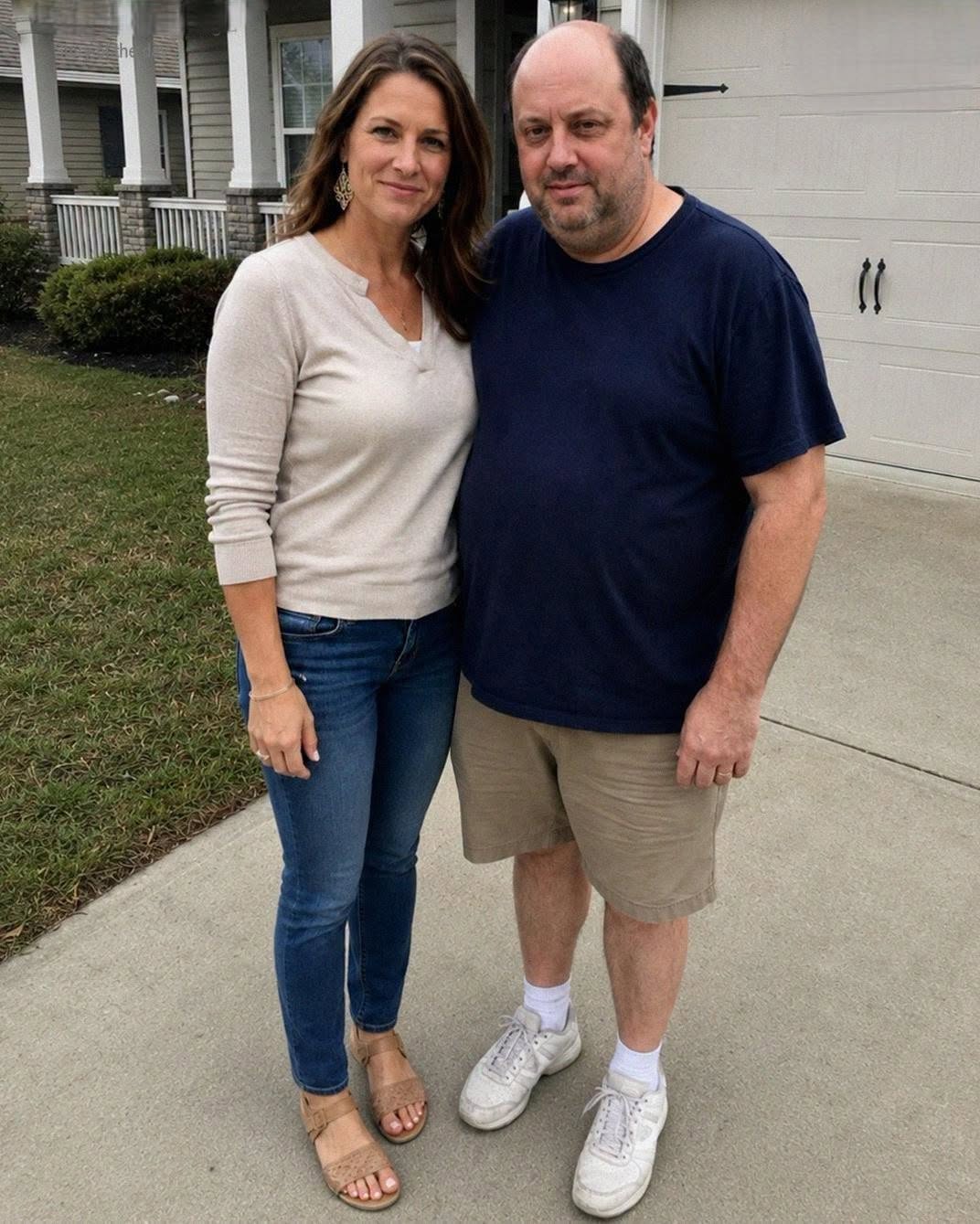
The Condition He Did Not Expect
My first reaction was anger. I wanted to walk out, or say something I could never take back. But while Dave watched me, clearly waiting for an emotional response, I had a different thought.
I smiled and told him I would agree to an open relationship on one condition: it had to be open for both of us.
That was the first time he looked uncertain. It lasted only a second, but I saw it. He accepted anyway, probably because he believed the arrangement would benefit him far more than it could ever benefit me.
He seemed convinced that women would suddenly line up for him simply because he was available. He had not thought seriously about what might happen if I was also allowed to be seen as someone with choices.
The next few weeks were not what he expected.
Attention did not appear for him as easily as he had imagined. Conversations fizzled. Interest was not automatic. Meanwhile, once I stepped outside the role of exhausted wife and full-time caretaker, I began to remember that I was still a person other people noticed.
I did not need to jump into anything dramatic. A coffee invitation here, a friendly message there, and a little ordinary attention were enough to shift the balance in the house. Dave began watching me differently. The arrangement he had described as modern and fair suddenly felt much less appealing when I was the one receiving interest.
When Equality Became Uncomfortable
His jealousy showed up quickly. He started asking where I was going, who had contacted me, and whether I thought certain men were attractive. Then came the suggested rules.
Those rules had not existed when he pictured himself dating other women. They only appeared once he realized the same freedom applied to me.
That was when I reminded him of the obvious truth: equality cannot work in only one direction. If he expected me to stay home with the children, keep the house in order, and provide stability while he explored other options, then he was not asking for an open marriage. He was asking for permission to step outside our marriage without changing the responsibilities that benefited him.
The issue was never just about dating other people. It was about the imbalance that had existed long before our anniversary dinner. I was tired because the household work and parenting were not shared fairly. I felt invisible. Dave interpreted my exhaustion as personal rejection instead of asking what support I needed.
His proposal made that imbalance impossible to ignore.
The Bigger Picture
For many couples, conflict over intimacy is often tied to something deeper: childcare, housework, resentment, emotional labor, and whether both partners feel valued. When one person is carrying most of the daily responsibilities, the relationship can start to feel less like a partnership and more like another job.
In our case, Dave eventually began helping more around the house and with the children. But that created another question I had to answer for myself. Was he changing because he finally understood and respected me, or because he was afraid of losing control?
That difference mattered.
A temporary burst of effort, driven by jealousy or competition, is not the same as rebuilding trust. We still had to talk honestly about chores, parenting, intimacy, resentment, and whether we both wanted the marriage we once promised each other.
On our anniversary, Dave thought an open relationship would give him freedom while my life stayed the same. By agreeing, I showed him the part of the arrangement he had ignored: I was not just a wife waiting at home.
My needs, my choices, and my future mattered too. And that was the lesson he never expected to learn over an anniversary dinner.