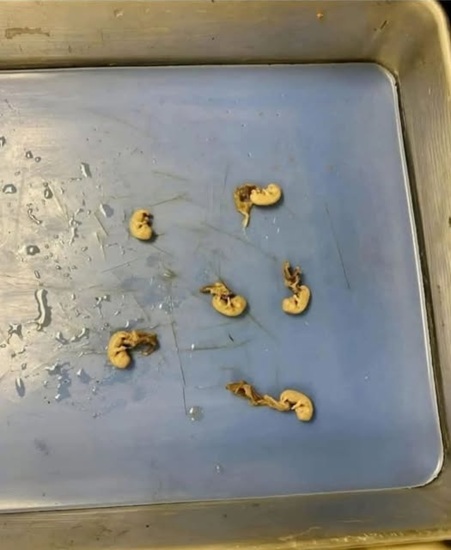
Food producers and regulators reduce these risks through methods such as roasting, pasteurization, washing, sanitation procedures, and temperature control. In regulated food systems, these steps make serious outbreaks relatively uncommon, especially compared with products sold through informal or poorly monitored supply chains.
When a problem is found, public health agencies can use surveillance systems to identify illness patterns, investigate the source, and issue recalls or safety warnings. That is why checking official recall notices can be more helpful than relying on viral posts or unverified claims.
Labels, Allergens, and Storage Matter More Than Marketing
One of the most important safety issues with snack foods is allergen management. Peanuts, tree nuts, sesame, and gluten-containing grains can cause serious reactions in people with specific allergies or sensitivities. In many countries, major allergens must be clearly listed on food packaging.
Cross-contact can also happen when different foods are made in the same facility, which is why manufacturers are expected to use cleaning, separation, and labeling systems. For shoppers with allergies, reading the full label matters more than trusting front-of-package phrases such as “natural,” “simple,” or “plant-based.”
Chemical safety is another part of food regulation. Products may be tested for pesticides, heavy metals, or unauthorized additives, depending on the rules in each country. Importantly, the presence of a trace substance does not automatically mean a food is unsafe. Regulatory limits are designed around established safety thresholds, not social media fear.
At home, storage can make a big difference. Nuts and seeds can become rancid, often producing an off smell or taste. Damaged packaging, unusual texture, visible spoilage, or expired products are also warning signs. Still, smell and appearance cannot detect every possible hazard, so it is better to combine common sense with label instructions and proper storage.
What Readers Should Know
Healthy eating does not require panic. It requires attention. Store snack foods as directed, keep kitchen surfaces clean, check expiration dates, and avoid packages that are torn, swollen, damp, or visibly damaged.
If you buy from bulk bins, local markets, or informal sellers, consider how the food is stored and handled. That does not mean cheaper or non-branded foods are automatically unsafe. Many affordable products meet the same safety standards as premium brands. The key issue is whether the food was produced, handled, and stored under reliable conditions.
It is also wise to get food safety information from credible sources, such as government health agencies, official recall databases, certified food safety organizations, and peer-reviewed research. Online claims can sometimes turn rare incidents into broad fears about entire food categories.
The better takeaway is simple: seeds, nuts, and other nutritious snacks can still be part of a balanced diet, but labels, allergens, recalls, and storage habits deserve attention. A little caution can protect your health without turning everyday eating into anxiety.
Next time you reach for a “healthy” snack, take a moment to check the package, the source, and the storage instructions before you dig in.