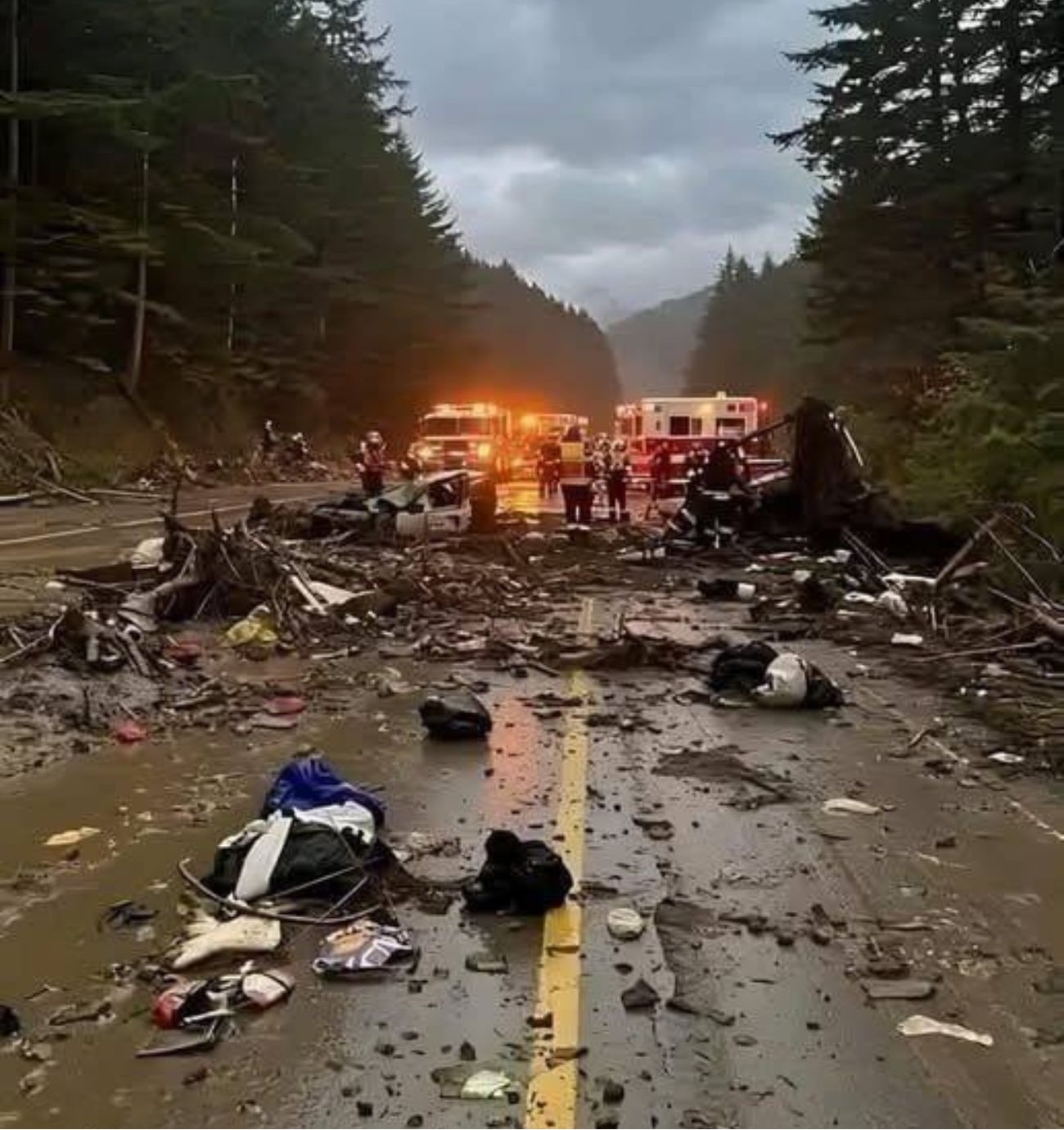
Search Teams Faced Dangerous Conditions
Authorities including the Royal Canadian Mounted Police and the BC Coroners Service coordinated extensive recovery operations after the slide.
But the conditions were brutal.
Fog.
Rain.
Unstable terrain.
Limited visibility.
Constant risk of additional movement.
Every step carried danger for the teams working on the mountain.
Officials eventually confirmed multiple recoveries while one individual remained missing as operations concluded due to ongoing safety concerns.
Extreme Weather Is Increasingly Raising Concerns
Scientists continue studying how changing climate patterns may influence the frequency and intensity of natural disasters like mudslides.
Prolonged rainfall, oversaturated ground, weakened slopes, and environmental disruption can all increase the likelihood of catastrophic slope failures.
Mountain highways such as Duffey Lake Road remain especially vulnerable because of their steep geography and unpredictable weather conditions.
Even well-designed infrastructure can become overwhelmed by powerful natural forces.
Communities Felt the Emotional Impact Far Beyond the Site
While emergency agencies focused on search operations and official procedures, the emotional shock spread far beyond the mountain itself.
Communities across British Columbia followed updates anxiously.
Families waited for news.
Residents shared messages of support.
And many people reflected on how quickly ordinary moments can turn into life-altering emergencies.
Natural disasters often affect not only those directly involved, but entire communities connected through empathy, fear, and shared uncertainty.
Why Events Like This Captivate Public Attention
Disasters like this capture public attention because they force people to confront something deeply unsettling:
Nature does not negotiate.
No amount of technology, routine, or preparation can fully remove humanity from the unpredictability of the environment around us.
These moments remind people how small they can suddenly feel against mountains, storms, floods, and shifting earth.
Officials Emphasized Careful Communication
Throughout the response effort, authorities stressed the importance of relying on verified information rather than speculation.
Emergency communication plays a critical role during disasters, helping families receive accurate updates while reducing confusion and misinformation.
Officials also acknowledged the emotional toll such incidents place on affected communities and rescue personnel alike.
Preparedness Remains One of the Strongest Protections
Experts say awareness and preparation remain critical in regions vulnerable to landslides and extreme weather events.
Monitoring forecasts.
Maintaining infrastructure.
Improving drainage systems.
Educating the public about hazard zones.
All of these efforts may help reduce future risks and improve emergency response capabilities.
Still, some natural events unfold with overwhelming speed despite preparation.
Nature’s Power Leaves Lasting Questions
In the aftermath of tragedies like this, people naturally search for explanations.
How did it happen?
Could it have been prevented?
Will it happen again?
Science can explain much of the mechanics behind mudslides, but the emotional impact often lingers far longer than technical answers alone.
Final Thoughts
The mudslide near Lillooet became more than a weather event or transportation disaster.
It became a reminder of how suddenly life can change when nature shifts without warning.
As communities continue recovering and reflecting, the tragedy leaves behind not only damaged landscapes, but important conversations about preparedness, climate, resilience, and human connection during crisis.
And in moments like these, understanding grows not only through facts — but through compassion for the people whose lives were forever changed by the mountain that moved.