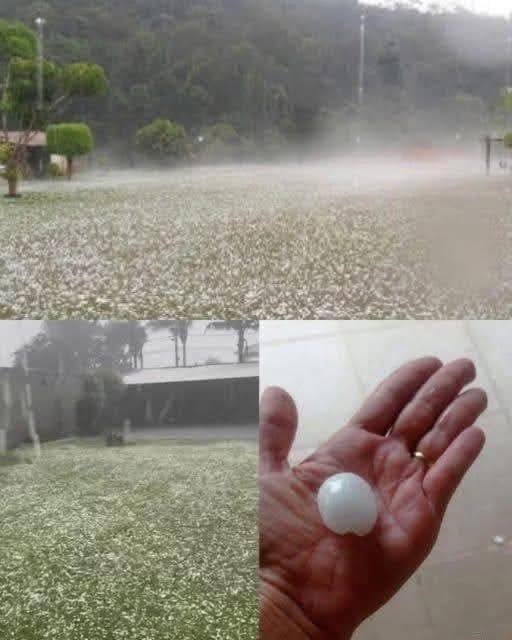
When Hail Turns Dangerous in Minutes
The first hit sounded like something striking the roof with force—sharp and sudden. Then another. Within moments, the noise multiplied into a relentless barrage. What should have been rainfall turned into a violent severe hailstorm, with heavy ice stones pounding rooftops, hammering vehicles, and slamming into windows hard enough to make people jump back from the glass.
The sound wasn’t the steady rhythm of rain. It was explosive—like repeated impacts echoing through the neighborhood. Each strike raised the same fear: Will the roof hold? Will the windows break? Is anyone outside?
Parents pulled children away from windows and glass doors, guiding them into hallways and interior rooms. In many homes, people instinctively moved toward bathrooms and closets—the safest spaces when debris starts flying. For several intense minutes, it didn’t feel like “bad weather.” It felt like the town was being hit from above with no pause and no predictability.
Property Damage Mounts: Shattered Glass, Dented Vehicles, and Roof Impacts
As the hail intensified, the damage became immediate and visible. Residents later described large hailstones striking with enough force to:
- Shatter windshields and crack side windows
- Dent car hoods and roofs within seconds
- Damage siding and gutters along exposed walls
- Rip shingles and puncture roofing in vulnerable spots
Inside, people stayed low, listening as impacts rolled across the roof like heavy blows. Every second felt stretched, as if the storm might last forever. And then—almost as abruptly as it began—the hail started to ease.
The Storm Moves On, Leaving an Unsettling Silence
The pounding softened. The gaps between impacts grew longer. The sky still looked heavy, but the worst had passed. What followed wasn’t complete quiet—just a strange, weighted stillness broken by dripping water, distant car alarms, and the faint sound of sirens heading toward the hardest-hit areas.
When residents finally stepped outside, many did so cautiously, half-expecting the sky to explode again.
Lawns were covered in jagged piles of ice. Driveways glittered with broken glass. Cars sat damaged where they’d been parked minutes earlier—dented panels, cracked windows, and visible destruction that hadn’t existed before dinner.
Some roofs showed clear signs of impact: missing shingles, punctures, and areas that would soon require emergency roof repair. The kind of damage that can lead to leaks, mold risk, and expensive restoration if not handled quickly.
Neighbors Check In as Emergency Crews Respond
One by one, neighbors emerged, scanning the street in disbelief. Conversations came out in fragments—quick questions, half-finished sentences, people trying to understand how an ordinary evening turned into a costly disaster so fast.
Several residents shared close calls: a window that burst inward without warning, a mad dash to pull a child away from a sliding glass door, the shock of hearing impacts that sounded more mechanical than natural.
Emergency teams began moving through the area, checking streets, clearing hazards, and knocking on doors—especially to make sure elderly residents and vulnerable neighbors were safe. In some places, power flickered or went out, leaving families navigating dark rooms with phone flashlights while trying to contact loved ones.
The Real Aftermath: Repairs, Insurance Claims, and Financial Stress
Once the immediate danger passed, the emotional weight set in. Severe weather damage isn’t just “messy.” It often brings a long list of expensive next steps:
- Auto hail damage repair (or total loss assessments)
- Window replacement and emergency boarding
- Roof inspection and potential full replacement
- Homeowners insurance claims and documentation
- Contractor scheduling during peak demand after storms
And beyond the bills, there’s the disruption—missed work, unsafe rooms, temporary patches, and the stress of waiting on adjusters and repair crews.
Still, amid the frustration, one feeling stood out: relief. Early accounts suggested no immediate reports of serious injuries. In a storm capable of breaking glass and damaging roofs in minutes, that fact mattered deeply.
A Reminder of How Fast Life Can Change
Severe weather has a way of stripping away the illusion of control. One moment feels stable and predictable; the next is chaos, noise, and sudden vulnerability.
But as the night went on, the town shifted from shock to action. People checked on neighbors. Families shared supplies. Calls were made. Plans formed. Small, practical acts began rebuilding a sense of normal.
The ice would melt. The repairs would come. Life would move forward.
But the memory of those minutes—when the sky turned violent and the familiar felt fragile—would linger long after the last hailstone disappeared.
CTA: Have you ever been caught in a sudden hailstorm like this? Share what happened in the comments—and if you found this story helpful, pass it along so others know what to do before the next severe weather warning hits.