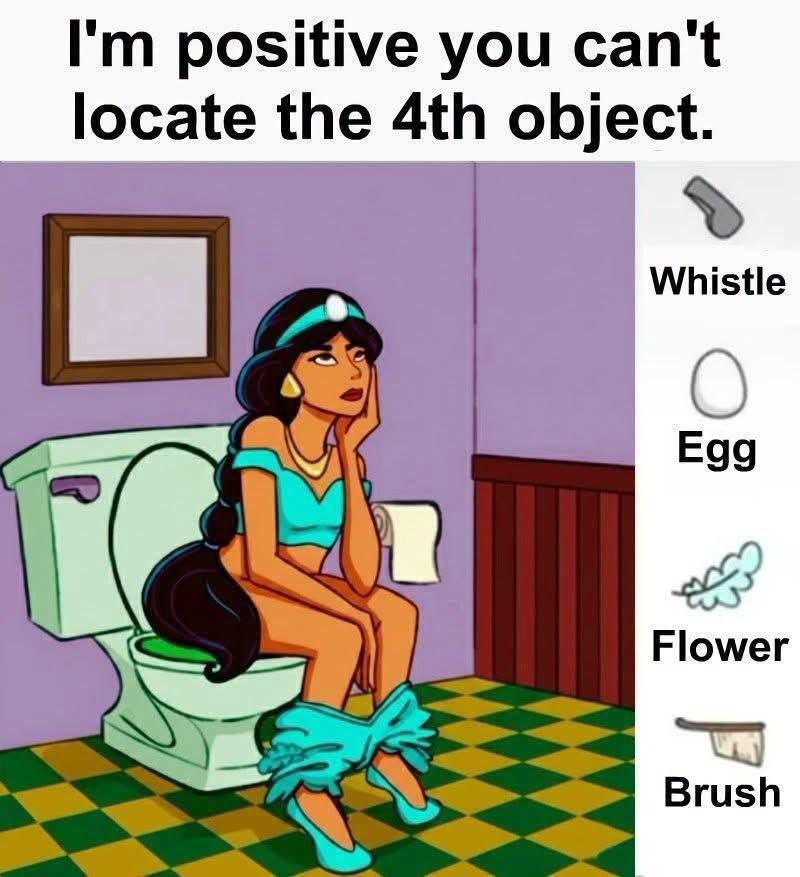
If you want to make the challenge more interesting, set a short time limit of a few minutes. That adds a little pressure without turning the puzzle into anything too serious.
Why Hidden-Object Puzzles Are So Addictive
These puzzles work because they reward patience. Familiar items become harder to recognize when they are placed inside a busy scene, especially if their outline or color is similar to the area around them.
They also encourage a slower kind of attention. Instead of scrolling past an image quickly, you have to pause, compare shapes, and notice small differences. That is part of what makes the search satisfying.
If one object is easy to find and another seems impossible, that does not mean you are doing badly. People scan images in different ways, so different details tend to catch different eyes.
A Simple Trick Before You Give Up
If you feel stuck, stop looking at the picture as one large scene. Divide it into smaller areas and check each one carefully. Move from left to right, then top to bottom. Look for shapes that seem slightly out of place.
Taking a short break can also help. When you return, your eyes may notice something you missed during the first search.
Once you have checked the image closely, count how many of the four objects you found. If you spotted the egg, flower, whistle, and paintbrush, well done. If not, take one more slow look before moving on.
The best part of a puzzle like this is not just finding the answer. It is the few quiet minutes spent paying attention to details that are easy to overlook.