Still, the two-week timeline is limited. It gives both sides room to negotiate, but it does not erase the mistrust or unresolved issues behind the conflict. For governments, companies, and consumers watching energy prices and global supply chains, the stability of this pause matters.
The Strait of Hormuz remains central to that concern. When trade routes tied to oil and shipping face uncertainty, markets often react quickly. Even the possibility of disruption can influence transportation costs, business planning, and household expenses connected to fuel and energy.
Thunberg Pushes Back Against War Rhetoric
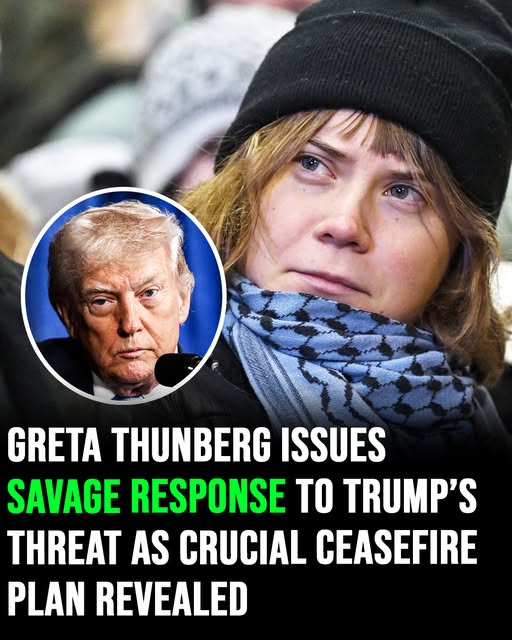
Before the ceasefire was announced, remarks attributed to Donald Trump drew criticism for the severity of the warning directed at Iran. The language suggested devastating consequences if an agreement was not reached, prompting concern from political observers, commentators, and some people who had previously supported his approach.
Greta Thunberg then responded in a video shared online, criticizing what she framed as the normalization of extreme language around war and mass destruction. Her reaction was direct and emotional, aimed not only at one leader but at the wider acceptance of violent rhetoric in global politics.
Thunberg argued that silence in such moments should not be treated as neutral. She connected the issue to broader concerns about human rights, environmental damage, and the consequences of unchecked power.
Her comments quickly split opinion. Supporters praised her willingness to challenge powerful political figures during a crisis. Critics argued that her response was too dramatic or questioned whether a climate activist should speak so forcefully about a geopolitical conflict.
Either way, the exchange showed how public activism, diplomacy, and political messaging now collide in real time. Statements made by leaders are no longer confined to official channels; they are immediately judged by audiences around the world.
The Bigger Picture
This is not the first time Thunberg and Trump have stood on opposite sides of a public argument. Their previous exchanges have often reflected larger ideological divides, especially around climate, power, and responsibility.
This time, however, the backdrop is more serious. The debate is not just about personality or political style. It is happening during a tense international standoff where words can influence public sentiment, diplomatic pressure, and how other countries interpret intentions.
The ceasefire may reduce the immediate risk of escalation, but it remains uncertain. A pause can create space for progress, yet it can also expose how many difficult issues remain unresolved.
For now, attention will stay on whether the agreement holds, whether the Strait of Hormuz remains secure, and whether negotiators can turn a temporary pause into something more stable.
The diplomatic clock is running, and the reaction to this moment is a reminder that in global crises, the words surrounding a deal can matter almost as much as the deal itself.