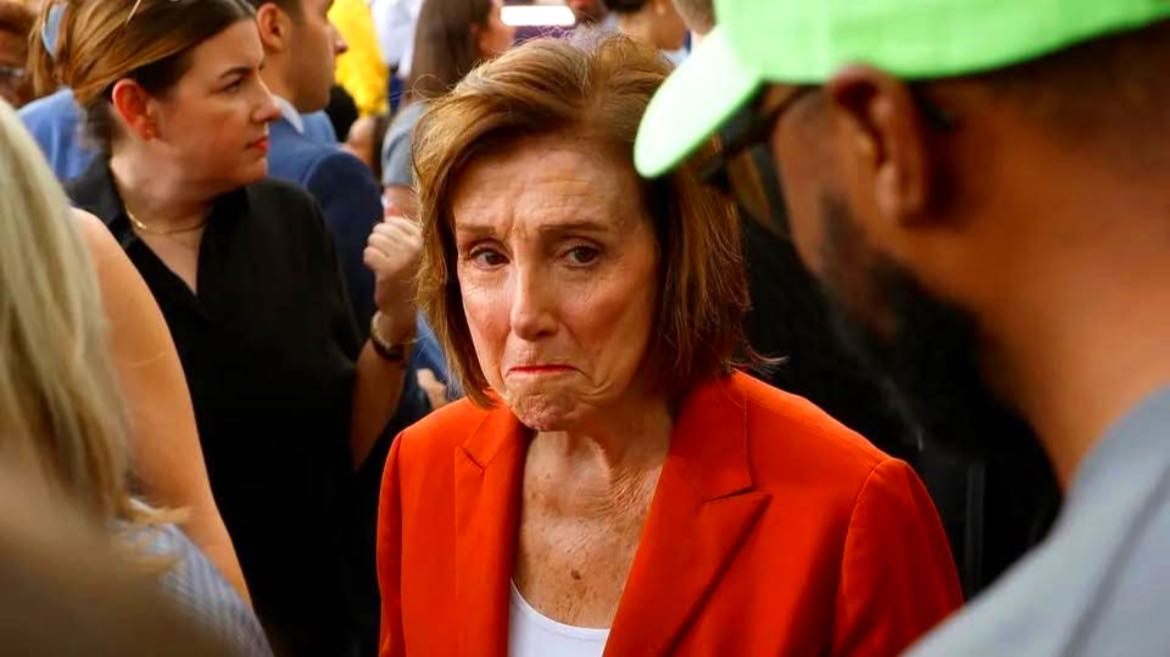
Anger centers on Iraq and Afghanistan debates
Some of the sharpest criticism referenced the Iraq War and the long-running controversy surrounding intelligence claims from that era. Protesters argued that the public was misled and that the consequences—loss of life, instability, and massive spending—still shape today’s political distrust.
Others brought up Afghanistan, pointing to ongoing hardship and poverty after two decades of U.S. involvement. Their comments reflected a broader frustration shared by many voters: that “nation-building” promises often collide with complex realities on the ground, leaving civilians to bear the cost long after the headlines fade.
Energy crisis claims and Nord Stream references fuel more debate
The confrontation also veered into current global tensions, including the European energy crisis and renewed public speculation about the Nord Stream pipeline. Some protesters demanded transparency and accountability, suggesting that ordinary families overseas are paying the price for geopolitical decisions made far from their homes.
It’s important to note that while these claims are frequently debated online and in political commentary, they remain contested topics—especially when audiences mix verified reporting with speculation. Still, the moment underscored a real trend: public trust drops quickly when people feel major events are being explained in incomplete or overly polished ways.
Ethics and corruption allegations surface—without evidence presented on-site
Beyond foreign policy, hecklers also shouted accusations related to political corruption and ethics—echoing a common complaint among voters who believe powerful officials benefit from insider access while everyday Americans struggle with inflation, housing costs, and economic uncertainty.
Some remarks included personal insults. Those claims were not supported with evidence during the event, and the tone only intensified the sense that civic discourse is breaking down in public spaces that used to be more controlled.
Online reaction splits along familiar lines
As clips and commentary spread online, reactions fell into two predictable camps:
- Supporters criticized the disruptions as disrespectful and unproductive, arguing that shouting matches don’t create solutions.
- Critics framed the moment as a rare form of public accountability, saying frustration is inevitable when people feel ignored by career politicians and entrenched institutions.
Either way, the incident reflects a larger national reality: debates about war, government transparency, and political ethics don’t stay in the past. They resurface—sometimes explosively—when public trust is already strained.
What this moment says about American politics in 2026
This wasn’t just a tense exchange at a single California event. It was a snapshot of a country where political identity, media ecosystems, and lived economic pressures collide in real time. When voters feel they can’t get clear answers through traditional channels, public forums become pressure valves—messy, emotional, and unpredictable.
Whether you see the confrontation as democratic dissent or a troubling sign of civic decline, one takeaway is hard to ignore: Americans across the spectrum are demanding transparency, accountability, and results—and they’re doing it louder than ever.
What do you think? Was this a necessary moment of public accountability, or did it cross the line into harmful disruption? Share your perspective in the comments—and if you want more updates on U.S. politics, breaking political news, and government accountability, consider bookmarking the page and checking back for the next story.