Energy and Transportation
Fuel and transportation costs also played a significant role. Fluctuations in global energy markets have influenced gasoline and utility prices, impacting both consumers and businesses.
Services Sector
Prices for services such as healthcare, insurance, travel, and hospitality continued to rise, reflecting higher labor and operational costs.
Impact on Consumers
Higher inflation reduces purchasing power, meaning consumers can buy fewer goods and services with the same amount of money. Households may notice increased costs for essentials such as groceries, utilities, transportation, and housing.
Many families are adjusting budgets and prioritizing essential spending as they navigate higher living costs.
What It Means for Businesses
Businesses face a challenging environment when inflation remains elevated. Companies often experience increased costs for materials, transportation, wages, and energy. Some businesses may absorb these expenses, while others pass a portion of the costs on to consumers through higher prices.
Industries that depend heavily on raw materials and logistics may feel the greatest impact.
Potential Response from Policymakers
Central banks and government officials closely monitor inflation data when making economic policy decisions. Elevated inflation can influence interest rate policies, lending conditions, and broader economic strategies aimed at maintaining price stability.
Financial markets are expected to closely watch upcoming economic reports for signs of whether inflation pressures will continue or begin to ease in the coming months.
Economic Outlook
While inflation remains above levels many policymakers consider ideal, economists are divided on how long current price pressures may persist. Some analysts believe supply chain improvements and stabilizing energy costs could help moderate inflation later in the year. Others caution that strong consumer demand and ongoing global uncertainties could keep prices elevated.
Future inflation reports will provide important insight into the direction of the economy and the effectiveness of measures designed to control rising costs.
Conclusion
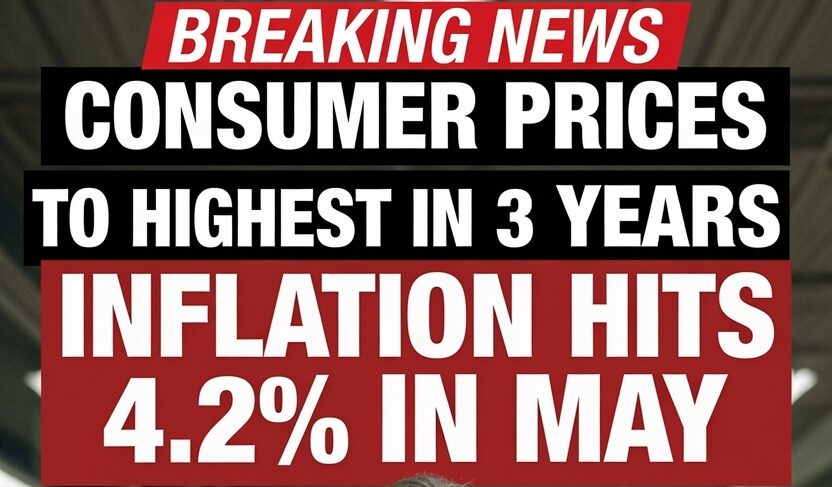
The rise in inflation to 4.2% in May marks the highest annual increase in consumer prices in three years, highlighting ongoing challenges for households, businesses, and policymakers. As costs continue to rise across multiple sectors, attention will remain focused on economic indicators and policy responses that may shape the inflation outlook in the months ahead.