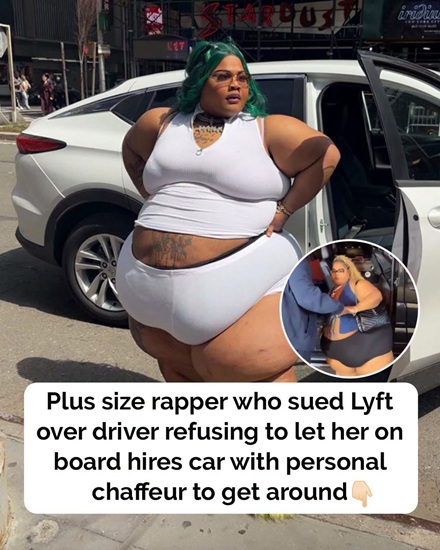
The incident quickly spread across social media and news outlets because it touched several sensitive issues at once. Some people viewed the driver’s decision as a matter of vehicle size and safety. Others argued that it raised concerns about discrimination based on body size.
DeMoss later filed a lawsuit under Michigan’s Elliott-Larsen Civil Rights Act, which includes protections involving public accommodations and recognizes weight as a protected characteristic. Her attorneys argued that refusing service based on assumptions about her size amounted to unlawful discrimination.
The case drew attention in part because Michigan is one of the few places in the United States with explicit legal protections related to weight discrimination. That made the dispute more than a celebrity or viral story; it also became a conversation about how transportation companies, drivers, and customers handle access, safety, and service expectations.
Reports later indicated that the case was resolved through a private settlement. The terms were not publicly disclosed, and DeMoss said afterward that she was satisfied with the outcome.
The Luxury Van Brings New Attention
After the settlement, videos of DeMoss riding through Detroit in a customized luxury van began circulating online. The vehicle appeared to offer more space and comfort than a standard rideshare sedan, and it was driven by a chauffeur.
That detail was enough to restart the public discussion. Some commenters said the van looked like a sensible choice for someone who travels often, especially as an artist and business owner. Larger vehicles can offer more comfort, privacy, and room for work-related needs, from luggage to equipment to longer local trips.
Others interpreted the van differently, suggesting that it supported the idea that a larger vehicle was more appropriate in the original rideshare situation. Supporters pushed back, saying her transportation choices should not be treated as proof of anything about the legal dispute.
In practical terms, the conversation also points to a broader consumer issue. App-based rideshare services often give customers different vehicle categories at different prices, and choosing a larger vehicle can affect cost, wait time, and availability. For passengers with specific comfort, mobility, or space needs, that choice can become more than a luxury; it can shape whether a trip feels workable at all.
The Bigger Picture
Before the Lyft case, DeMoss was already active in Detroit’s music community. She is an independent recording artist and the chief executive officer of FSD Records, a label founded by her late father, who was professionally known as Big Mixx CEO.
Her songs include Feel My Pain, No Love, and Big Girls, and her public image has often centered on confidence, resilience, and self-expression. She also appeared at SXSW 2024, a major festival and industry event that draws musicians, media figures, and entertainment professionals.
DeMoss has also spoken publicly about body positivity and personal health challenges. She has said she lives with a thyroid condition that has affected her weight and health over time. She has also described efforts to improve her wellness, including exercise, vitamins, and lifestyle adjustments, and has claimed she has lost more than 100 pounds.
Health and weight are deeply personal topics, and public discussion can become harsh quickly, especially when a person is already visible online. In DeMoss’s case, one recorded transportation encounter grew into a national conversation about public accommodations, driver discretion, legal protections, and how people are treated in everyday services.
Now, the luxury van has put her back in the spotlight for a different reason. Whether people see it as a business move, a comfort choice, or simply a personal preference, it shows how closely public figures can be watched after a viral moment.
DeMoss continues to build her career in music, business, and online content, while her story remains tied to larger questions about fairness, access, and dignity in daily life. The conversation around her may keep changing, but the issues behind it are not going away soon.