What Investigators Are Focusing On
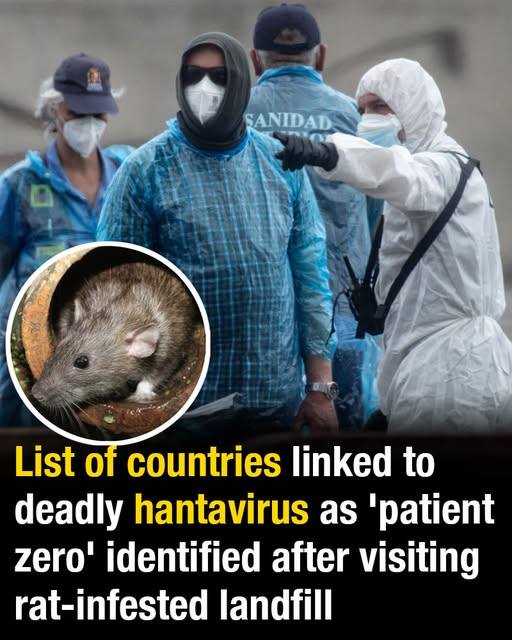
According to reports circulating among public health channels, investigators have linked the primary concern to a passenger who tested positive and is now in medical isolation while contact tracing continues. Attention has also turned to travel activity prior to boarding, including a stop in Ushuaia, Argentina, a common departure point for Antarctic voyages.
Some accounts suggest a shore visit may have brought travelers near an area with heavy rodent activity. Investigators are now working to rebuild a detailed timeline—looking at transportation legs, group excursions, and shared indoor settings—to identify where exposure may have occurred and who may need closer follow-up.
What Hantavirus Is—and How It Typically Spreads
Hantavirus is most often associated with exposure to infected rodents. Unlike many common respiratory illnesses, it is generally linked to inhaling tiny airborne particles from dried rodent droppings, urine, or saliva, especially in dusty or poorly ventilated spaces. This is why health guidance frequently highlights risk in enclosed areas such as storage rooms, abandoned buildings, sheds, barns, or places with visible rodent activity.
Medical experts commonly note that human-to-human transmission is not typical for many hantavirus strains, but public health agencies still take a cautious approach when a suspected case is connected to large groups—particularly in environments like cruise ships where many people share the same indoor air and facilities.
Symptoms to Watch for After Travel
One reason health authorities treat suspected hantavirus exposure seriously is that early symptoms can look like everyday illness. People may initially experience:
- Fever
- Severe muscle aches
- Headache
- Extreme fatigue
In severe cases, symptoms can worsen and may involve serious breathing problems. Anyone who develops shortness of breath or rapidly worsening symptoms after potential exposure should seek urgent medical care and share their travel history.
Multi-Country Monitoring and Contact Tracing Underway
Because passengers may have continued traveling after leaving the ship, health agencies in several countries have reportedly activated local protocols, including health screening, check-ins, and case investigation where appropriate. Coordinating across borders is complex, but it’s a standard part of modern outbreak response—especially when international travel is involved.
Officials in affected regions are focusing on rapid communication, identifying close contacts, and ensuring anyone at potential risk knows what symptoms to monitor and when to seek care.
Updated Travel Health Advice: How to Reduce Risk
In response to heightened attention on rodent-borne illness, travel health experts continue to recommend practical precautions—especially in rural or remote areas:
- Avoid areas with visible rodent activity or droppings.
- Use caution in dusty, enclosed, poorly ventilated spaces.
- Follow strong hygiene and sanitation practices while traveling.
- Consider protective masking in high-risk environments where dust and rodents are present.
- If you feel unwell after travel, seek medical advice early and mention where you’ve been.
What Happens Next
Health teams are continuing to review reports, monitor passengers during the expected observation period, and verify whether additional cases emerge. While officials are urging the public to stay informed rather than panic, the incident highlights how quickly a single suspected infection can prompt a broad international public health response—especially when travel routes span multiple countries.
Stay updated: If you want more verified travel health updates and outbreak-related guidance written in plain English, bookmark this page and share your thoughts in the comments—have you ever experienced a health screening or quarantine while traveling?