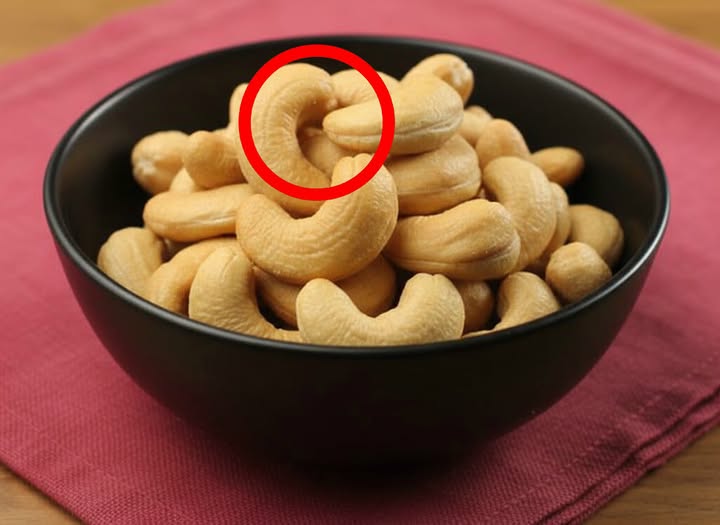
The Hidden Downside: Cashews Are Extremely Calorie-Dense
Here’s where many people get tripped up. Cashews are not a low-calorie snack. They’re calorie-dense, meaning a small amount contains a lot of energy. If you eat them straight from the bag, it’s easy to consume far more than you intended—especially while working, watching TV, or driving.
Over time, frequent oversized portions may work against goals like fat loss, cholesterol management, or metabolic health. And the risk increases when cashews come in “snack aisle” versions such as:
- Fried cashews
- Heavily salted cashews
- Honey-roasted or sugar-coated cashews
- Flavored varieties with added oils and seasonings
Those options can add extra sodium, added sugars, and additional fats—turning a nutritious food into something much easier to overeat.
How Doctors Recommend Eating Cashews Safely
The best approach is simple: portion + purpose. Instead of treating cashews like a bottomless snack, use them as a planned ingredient in a balanced diet.
For most people, a modest daily serving works well—especially when you choose plain or lightly roasted cashews and combine them with other nutritious foods (like fruit, yogurt, salads, or whole grains). This keeps the benefits while reducing the chance of accidental overeating.
In other words, cashews aren’t “good” or “bad.” They’re powerful. Used wisely, they can be one of the most valuable pantry staples for anyone focused on clean eating, heart-healthy snacks, and smart weight control.
Want more doctor-backed nutrition tips like this? Share how you like to eat cashews (snack, salad, smoothie, or cooking), and check back for more simple guides to healthier everyday choices.