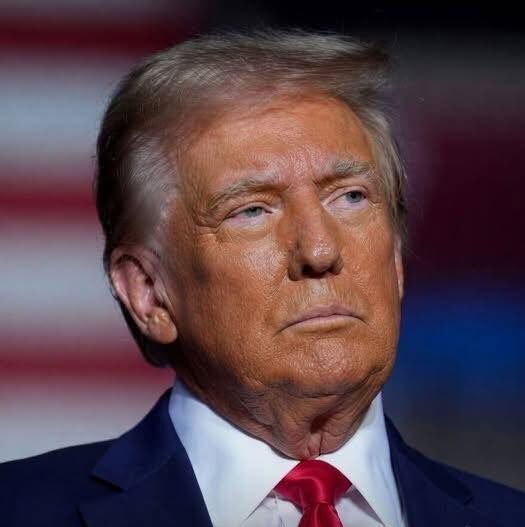
New Identification Requirements Could Affect Millions
According to the order, accepted documentation for voter registration could include:
A United States passport
A REAL ID-compliant driver’s license or state identification card
Certain military identification documents
Supporters say these requirements mirror security measures already used in various forms around the world and could help standardize voter verification processes nationwide.
Supporters Say the Changes Protect Election Integrity
Backers of the executive order argue that stronger voter verification rules are necessary to preserve public trust in elections.
The administration has pointed to systems used internationally, including identification procedures in countries such as India and Brazil, as examples of stricter election protections already in place elsewhere.
Supporters believe the proposal could:
Increase confidence in election outcomes
Reduce allegations of fraud
Strengthen voter verification systems
Standardize federal registration practices
Many conservative lawmakers and voters view the measure as a long-overdue reform effort.
Critics Warn of Potential Voting Barriers
Opponents, however, argue the proposal could make voting more difficult for certain groups of eligible Americans.
Civil rights organizations and voting access advocates warn that documentation requirements may disproportionately affect:
Older voters without updated identification
Low-income communities
Rural residents
Naturalized citizens
Individuals lacking easy access to official records
Critics argue that even small administrative hurdles can discourage voter participation and create confusion during registration.
Legal Challenges Could Follow
Election law experts expect the order to face significant legal scrutiny.
Questions are already emerging regarding:
Federal authority over election procedures
State-level election administration powers
Constitutional voting protections
Implementation logistics
Potential court challenges
Legal analysts note that election rules in the United States are often managed jointly by federal and state governments, making large-scale changes especially complex.
Election Security Continues To Divide Public Opinion
The debate reflects a broader national divide surrounding election security and voting access.
Some Americans prioritize stronger verification systems and tighter oversight.
Others focus more heavily on ensuring voting remains easily accessible to all eligible citizens.
These competing priorities have become increasingly central in political discussions following recent election cycles.
Why the Issue Is Generating So Much Attention
Voting laws remain one of the most emotionally charged political topics in the country because they directly affect public trust in democracy itself.
Even relatively small procedural changes can quickly become major national debates involving:
Constitutional rights
Government authority
Election transparency
Public confidence
Civic participation
That is why announcements like this often spark immediate reactions across both political parties.
States May Still Control Key Decisions
Although the executive order establishes a federal direction, many election procedures remain heavily influenced by individual state governments.
Some states may move quickly to align with the proposed requirements, while others could challenge or resist implementation efforts entirely.
As a result, the long-term impact of the order may depend heavily on future court rulings and state-level responses.
Final Thoughts
Trump’s latest executive order has reignited one of America’s most divisive political conversations: how to balance election security with voting accessibility.
Supporters view the proposal as a safeguard for public trust and election integrity.
Critics fear it could create obstacles for eligible voters and deepen political tensions surrounding future elections.
As legal and political debates continue unfolding, millions of Americans will be watching closely to see how the proposed changes could shape future federal elections.
If you found this political update informative, share it with others following election law, voting rights, and major developments in American politics.