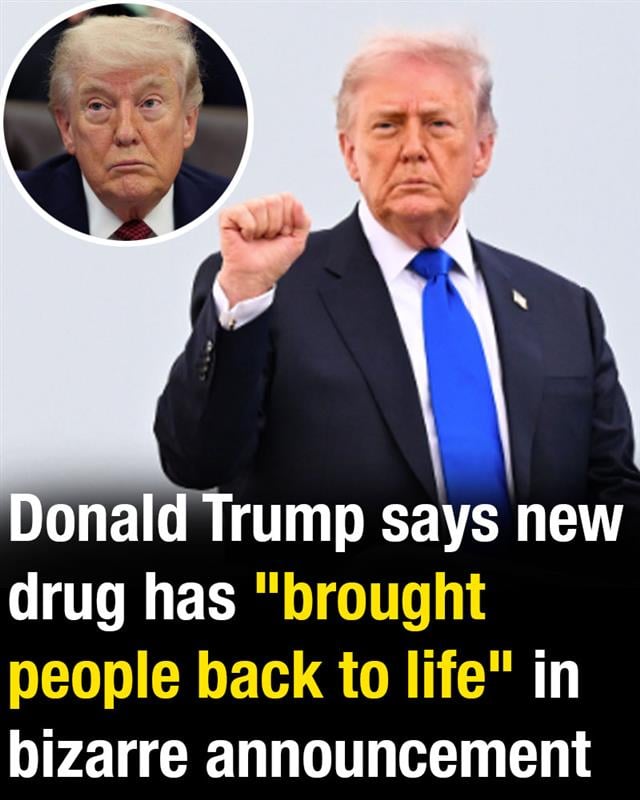
For many families facing life-threatening illness, “right to try” is not political theater—it’s a last option pursued with real urgency and emotion. That’s why critics say sweeping claims about miracle cures can be harmful: they may inflate expectations, blur the line between legitimate medical innovation and unsupported promises, and put vulnerable patients at risk of chasing false hope.
The real issue: trust, health information, and public accountability
Breakthrough treatments do happen, and medical research saves lives every day. But health claims—especially from high-profile leaders—carry extra weight. When language becomes exaggerated or unclear, it can undermine trust in doctors, confuse patients, and distract from the careful, evidence-based process that brings safe therapies to the public.
Bottom line: medicine can sometimes restart a heart under the right conditions, but no credible evidence supports the idea that a drug can “bring dead people back to life.”
What do you think? Should public figures face stricter standards when talking about medical treatments? Share your thoughts in the comments, and follow for more updates on health policy and breaking political news.