Raw Water Chestnuts
Water chestnuts are often used in Asian-inspired dishes and are valued for their crisp texture.
However, raw aquatic plants can sometimes become contaminated with parasites or other microorganisms from the water and growing environment.
For this reason, thoroughly washing and cooking water chestnuts is a safer approach than eating them raw, especially when their source or handling history is uncertain.
Undercooked Beef
A perfectly cooked steak is a favorite for many people, but undercooked beef can carry certain harmful organisms.
The risk can vary depending on the source and handling of the meat, but cooking beef to a safe internal temperature is one of the most reliable ways to reduce foodborne illness risks.
Use a food thermometer when possible rather than relying only on appearance.
The Real Key Is Safe Food Preparation
The biggest takeaway isn’t that you need to fear these foods.
It’s that preparation matters.
Simple habits can make a significant difference:
Choose Reliable Food Sources
Buy meat, seafood, and other potentially risky foods from reputable suppliers that follow appropriate food-safety standards.
Keep Raw Foods Separate
Prevent cross-contamination by keeping raw meat and seafood away from ready-to-eat foods.
Cook Food Thoroughly
Use a food thermometer when appropriate to ensure food reaches a safe internal temperature.
Practice Good Kitchen Hygiene
Wash your hands, clean preparation surfaces, and properly sanitize utensils after handling raw ingredients.
Store Food Correctly
Refrigerate perishable foods promptly and follow recommended storage guidelines.
Know When to Seek Medical Advice
Foodborne infections can cause symptoms such as stomach pain, diarrhea, nausea, vomiting, fever, and fatigue.
If symptoms are severe, persistent, or occur after eating a food associated with a higher risk of infection, contact a healthcare professional for advice.
People who are pregnant, very young, older adults, and those with weakened immune systems may need to take additional precautions with certain foods.
You Don’t Have to Give Up Your Favorite Foods
Food safety isn’t about living in fear or avoiding every food that carries some level of risk.
It’s about making informed choices.
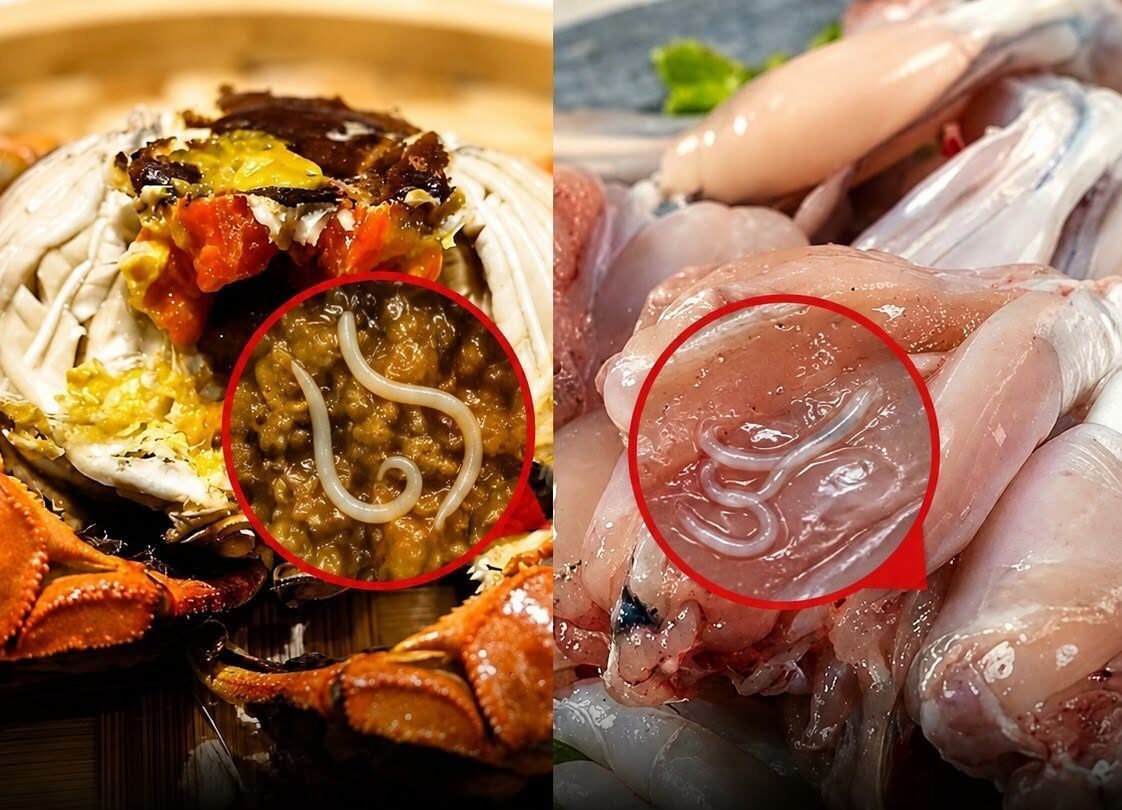
Raw fish, frog meat, snails, aquatic plants, and undercooked meats can all be enjoyed more safely when appropriate sourcing, handling, and preparation practices are followed.
A few simple precautions in the kitchen can go a long way toward reducing the risk of foodborne illness while allowing you to continue enjoying a diverse and delicious diet.
Which of these foods do you enjoy most? Share your thoughts in the comments, and let us know your favorite food-safety tip for preparing meals at home.