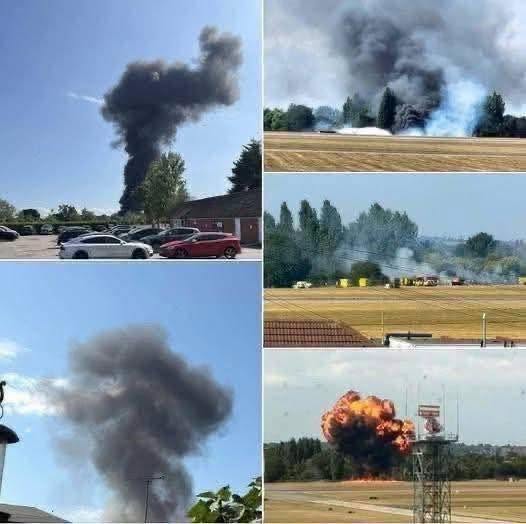
Passengers later described an evacuation that was urgent but orderly. Cabin crew opened emergency exits, and travelers were able to leave the plane within minutes.
The passenger list reflected Emirates’ global network, with people on board from India, the United Kingdom, the United Arab Emirates, the United States, Saudi Arabia, Turkey, Ireland, Australia, Brazil, Germany, Malaysia, Thailand, and other countries.
Several people required medical evaluation and treatment after the incident, but the airline said all passengers survived.
Investigation Now Turns To The Cause
Authorities opened a formal investigation to determine what led to the crash-landing. Early reports pointed to the possibility of wind shear, a sudden shift in wind speed or direction that can affect aircraft during takeoff or landing.
Officials have not concluded that weather was the cause. Investigators are expected to review available evidence, including flight data, operational factors, aircraft systems, weather information, and other details before issuing any findings.
Representatives from Boeing and aviation safety agencies indicated they were prepared to assist investigators if needed.
Why This Matters For Travelers
The emergency caused significant disruption at Dubai International Airport, leading to delays and schedule adjustments across multiple flights. Airport officials worked through the day to restore service, and operations gradually resumed later that evening after crews secured the runway area.
For travelers, incidents like this are a reminder that even rare aviation emergencies can affect flights, hotel plans, onward connections, and family travel schedules. Passengers booking international trips often review airline policies, connection times, and travel insurance coverage because unexpected delays can create extra costs.
The successful evacuation also shows why airline safety procedures, crew training, and airport emergency planning matter. In this case, fast action helped get all passengers and crew off the aircraft alive.
At the same time, the death of the firefighter is a solemn reminder of the risks first responders take when they move toward danger to protect others.
Investigators will continue reviewing the evidence, and their findings may help strengthen aviation safety procedures for future flights. For anyone who travels, it is a moment to think about preparedness, patience during disruptions, and the people working behind the scenes to keep airports safe.