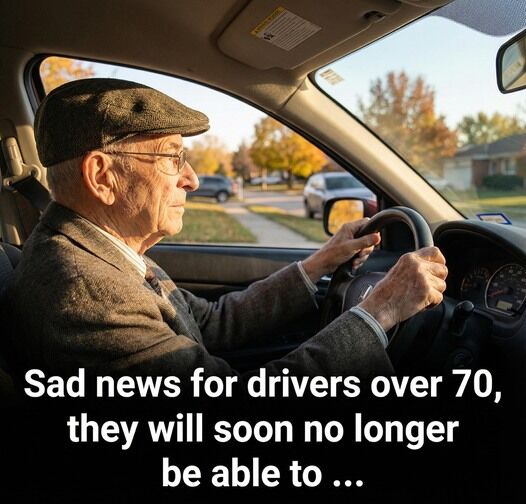
Road safety data cited by French authorities and similar organizations suggests that drivers over 75 can be involved in serious collisions at rates comparable to younger high-risk groups. The difference is often the underlying cause:
- Slower reaction time in unexpected situations
- Reduced peripheral vision and difficulty tracking movement
- Declining cognitive processing speed (decision-making under pressure)
- Physical limitations that affect braking, turning, or checking blind spots
In other words, younger drivers are often associated with risk-taking, while older-driver incidents are more frequently linked to medical or age-related changes.
What Could Change in 2026 for Drivers Over 70
Several European countries are discussing a system that would require regular license re-evaluation after age 70. While the details vary by country, proposals commonly include:
- Mandatory medical exams at set intervals
- Vision and hearing checks beyond basic screening
- Cognitive assessments where appropriate
- Practical driving tests in certain cases (especially after incidents or concerns)
This isn’t being framed as punishment. Supporters argue it’s a modern update to public safety policy—similar to how commercial drivers and certain medical conditions already trigger extra requirements.
The Core Argument: Age vs. “Fitness to Drive”
The most controversial part is the number itself. Critics say a strict age threshold is too blunt because aging isn’t predictable. One 80-year-old may drive carefully with excellent awareness, while a 65-year-old might be struggling with early-stage issues that affect judgment.
That’s why many opponents of age-based rules argue for a different standard: fitness to drive. Under that approach, licensing decisions would be tied to health and ability rather than birth year.
But safety specialists counter with another uncomfortable truth: people often don’t notice their own decline in real time. Familiar routes can become “autopilot,” and when something unusual happens—construction, a child on a bike, a confusing intersection—reaction time matters. A vehicle is heavy, fast, and unforgiving; even a well-meaning driver can cause harm if their responses are delayed.
Why Families Are Watching This Closely
For adult children, few conversations are as painful as suggesting a parent should stop driving. It can feel like a role reversal, and it often creates conflict inside families.
One reason some people support government-led re-testing is that it removes the personal burden. If a neutral medical professional or licensing authority makes the call, the decision can feel less like a family argument and more like an objective safety step.
Transportation Alternatives Matter More Than Ever
There’s another issue lawmakers can’t ignore: if you restrict driving without offering realistic alternatives, you risk creating a different public health problem—loneliness, missed healthcare visits, and loss of independence.
That’s why the conversation increasingly includes investment in:
- Affordable public transportation
- Senior-friendly ride services
- Community shuttle programs
- Safer street design for pedestrians and cyclists
A system that keeps seniors mobile—without forcing them to drive beyond their comfort or capability—can protect everyone on the road while preserving dignity and quality of life.
The Bigger Shift: A License as Ongoing Responsibility
The direction is clear: many governments are moving toward treating driving less like a lifetime entitlement and more like a privilege that requires periodic confirmation of safety—especially as populations age.
The La Rochelle tragedy has become a symbol of why the debate won’t fade away. Communities want safer streets, and policymakers are under pressure to act. The challenge now is designing rules that are fair, medically grounded, and practical—without turning aging into an automatic penalty.
Closing CTA
What do you think is the fairest approach—age-based checks, or health-based “fitness to drive” evaluations? Share your thoughts in the comments, and if you know someone approaching 70, send them this article so they can stay informed and plan ahead.