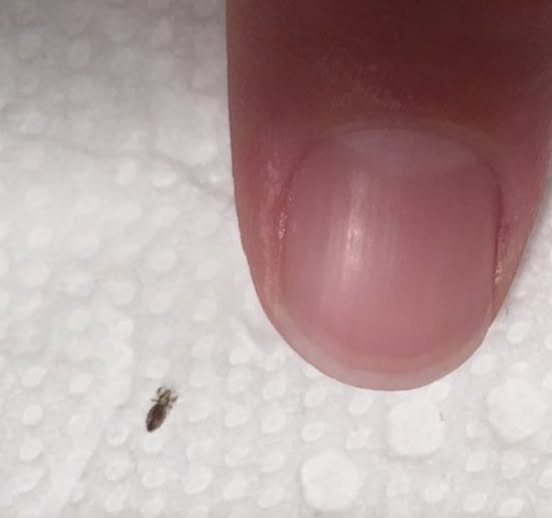
Common Signs of a Lice Infestation
One of the earliest signs of head lice is persistent itching, especially around the scalp, behind the ears, or near the neck.
Other common symptoms may include:
A tickling sensation in the hair
Difficulty sleeping due to scalp irritation
Small red bumps caused by scratching
Visible nits attached to hair strands
However, symptoms may not appear immediately. Some people can carry lice for several weeks before noticing irritation.
How Lice Actually Spread
There are many myths surrounding lice transmission.
Health specialists explain that lice do not jump or fly. Instead, they spread mainly through direct hair-to-hair contact.
This is why outbreaks are common among children who:
Play closely together
Share sleeping spaces during camps or sleepovers
Take group photos with heads touching
Participate in activities involving close physical contact
While many people worry about hats, brushes, or pillows, experts say these items are generally a less common source of transmission because lice weaken quickly once separated from the scalp.
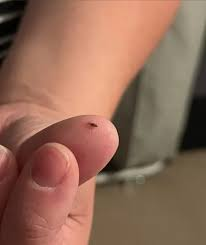
The Best Way to Check for Lice
The most effective way to confirm lice is by using a fine-toothed lice comb.
Parents are often advised to:
Wet the hair slightly
Section the hair carefully
Comb slowly from scalp to ends
Check the comb after each pass
Bright lighting can make spotting lice and eggs much easier.
Because lice move quickly, patience is important during inspections.
Should You Treat Empty Eggs?
Many parents panic after finding old nits, but experts note that empty eggshells do not always mean active lice are present.
Treatment is generally recommended only if live lice are found.
Old eggs often remain attached to the hair even after the infestation is gone and may gradually disappear as hair grows.
Popular Treatment Options for Head Lice
There are several approaches commonly used to treat lice.
Many families use over-the-counter lice shampoos designed to kill live lice and help remove eggs.
Other important treatment steps often include:
Washing bedding and clothing in hot water
Vacuuming furniture and carpets
Avoiding head-to-head contact temporarily
Regularly combing hair for several days
Some parents also explore home remedies, though medical professionals recommend caution because not all natural methods are scientifically proven to eliminate lice effectively.
Home Remedies Many Families Discuss
Online discussions frequently mention household ingredients such as vinegar, essential oils, or mouthwash as alternative approaches to lice management.
Some believe strong smells or acidic solutions may help loosen eggs from the hair.
However, pediatric specialists caution that home remedies should not replace evidence-based treatment methods recommended by healthcare professionals.
Certain ingredients may irritate sensitive skin or eyes, especially in children.
Before trying alternative treatments, families are encouraged to consult a pediatrician or pharmacist.
Why Lice Are So Emotionally Stressful for Parents
One reason lice outbreaks create so much anxiety is because they spread quickly and require time-consuming treatment.
Parents often feel exhausted by:
Constant laundry
Repeated scalp checks
Cleaning routines
Missed school days
Fear of reinfestation
But health professionals remind families that lice infestations are extremely common and are not connected to poor hygiene.
Anyone can get lice regardless of cleanliness.
Preventing Future Lice Outbreaks
While no prevention method is perfect, experts recommend several practical strategies that may reduce the risk of spreading lice:
Teach children to avoid direct head-to-head contact
Avoid sharing combs, hats, or hair accessories
Regularly inspect children’s hair during outbreaks at school
Keep long hair tied back when possible
Act quickly if symptoms appear
Early detection is often the best defense against larger infestations.
The Importance of Staying Calm
Although lice can feel overwhelming at first, they are manageable with patience and consistent treatment.
Doctors emphasize that panic usually makes the process more stressful than necessary.
Most infestations can be resolved successfully through careful combing, appropriate treatment, and follow-up checks over time.
Final Thoughts on Head Lice Awareness
Head lice continue to be one of the most common childhood concerns worldwide, especially during school seasons when close contact increases.
Understanding how lice spread, how to identify them, and how to respond calmly can help families handle the situation more effectively without fear or embarrassment.
The key is early action, reliable information, and patience throughout the treatment process.
Join the Conversation
Have you ever dealt with head lice in your household? Share your tips and experiences in the comments, and follow for more family health advice, parenting insights, and practical wellness articles.