That narrow waterway is more than a regional chokepoint. It influences:
- Crude oil prices and gasoline costs
- Global shipping routes and insurance rates
- Inflation pressure in energy-dependent economies
- Investor confidence across international markets
A meaningful reopening signals a potential step toward de-escalation, but it also highlights how quickly a single disruption could rattle the global economy.
Iran’s Reported Proposal: A “Workable Foundation,” Not a Final Deal
According to statements circulating at the time, the US received a detailed ceasefire proposal from Iran that included multiple conditions—reported by some outlets as ten core points. Officials described the framework as workable, suggesting that at least some long-standing disputes had been addressed in principle.
Still, a two-week pause is not peace. It is a narrow window for negotiation, verification, and political decision-making—while both sides remain wary and the broader region stays on alert.
Trump’s Remarks Spark Backlash Before the Ceasefire Announcement
Even as diplomats moved toward a temporary halt in hostilities, the public mood shifted sharply after remarks attributed to Donald Trump circulated widely. The comments, framed around a deadline and consequences for non-compliance, were criticized for using extreme language that many felt intensified fear rather than calming tensions.
Supporters argued the tone was strategic—classic high-pressure bargaining. Critics, including some voices who previously aligned with Trump’s approach, questioned whether that kind of messaging increases risk in an already volatile situation.
In conflicts involving nuclear-era powers, energy chokepoints, and regional alliances, the language used by leaders can affect more than headlines. It can influence:
- Diplomatic leverage and negotiation outcomes
- Military miscalculation risk
- Public sentiment and political stability
- International relations with allies and mediators
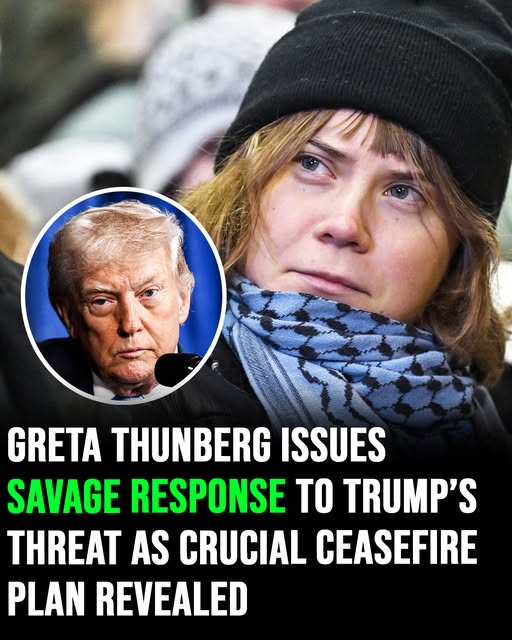
Greta Thunberg Responds: A Viral Rebuke With a Larger Message
The most talked-about response came from Greta Thunberg, who posted a blunt, emotionally charged reaction online. Known primarily for climate advocacy, Thunberg framed the moment as part of a broader pattern: the normalization of extreme rhetoric around war, destruction, and human suffering.
Her message wasn’t delivered in diplomatic language—and it wasn’t meant to be. She challenged what she described as a culture of numbness, where threats of mass violence can be treated like routine political theater.
To her supporters, it was a necessary confrontation—an attempt to force moral clarity when power speaks casually about catastrophe. To her critics, it was an overreach, arguing that a climate activist should not insert herself so aggressively into geopolitical conflict.
Either way, the clash underscored a modern reality: politics, activism, and media influence now collide in real time, shaping public perception as much as formal policy does.
Why This Ceasefire Still Feels Unstable
Two weeks can create space for progress, but it can also become a countdown to renewed tension if core disputes remain unresolved. The US–Iran relationship carries decades of mistrust, competing regional priorities, and domestic political pressures that rarely disappear because of a short-term agreement.
For now, the immediate threat appears reduced. Yet the ceasefire’s success depends on what happens next: compliance, verification, continued diplomatic engagement, and restraint in both action and messaging.
Because when global security and the world’s energy supply intersect, the consequences of a misstep can be fast—and expensive.
What Happens Next
As negotiations continue, the world will be watching for concrete developments: shipping security in the Strait of Hormuz, signs of sustained diplomatic progress, and whether leaders choose de-escalation over performance-driven rhetoric.
And while the ceasefire may be temporary, the debate it sparked—about accountability, language, and the public’s tolerance for threats—will likely last much longer.
What do you think—does strong rhetoric prevent war, or make conflict more likely? Share your take in the comments, and if you want updates as this ceasefire unfolds, bookmark this page and check back for the latest developments.