The Dinner Started Well
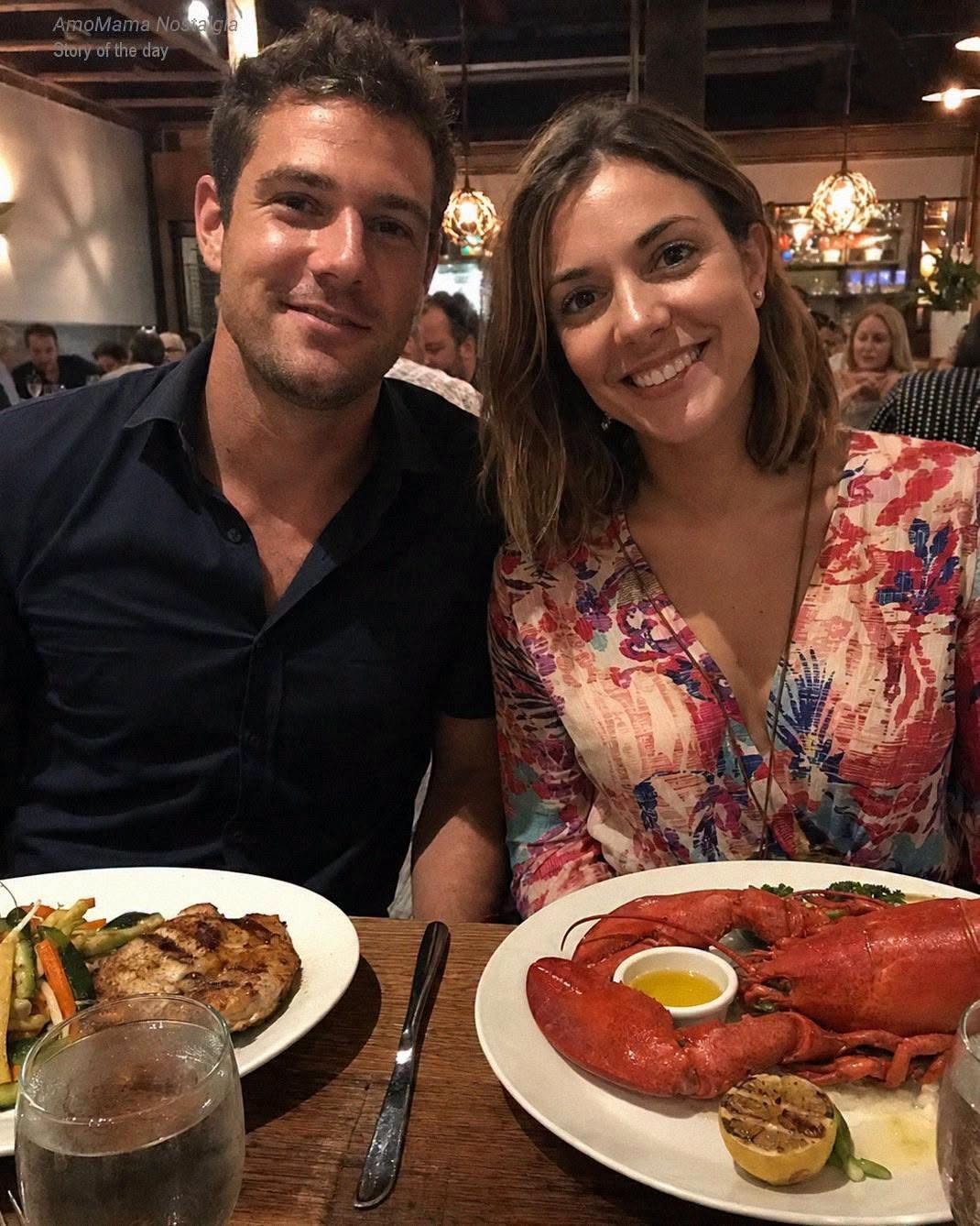
Chloe arrived in a red dress and seemed completely comfortable in the elegant restaurant. When their waitress, Maya, brought the menus, Chloe ordered lobster with extra butter without asking about the price.
Evan kept his order simpler, choosing salmon and water.
At first, he admired Chloe’s confidence. But a comment she made about previous dates being “too cheap” made him pause. He noticed it, but decided not to let one remark ruin the evening.
For a while, that seemed like the right call. The conversation improved. They laughed, talked about their lives, took a few photos, and appeared to have real chemistry. Evan even wondered whether he had misread the earlier warning sign.
Then the check arrived.
Chloe’s lobster alone was around $150. Once drinks, dessert, and sides were included, her portion made up most of the bill.
The Agreement Became the Problem
Evan calmly reminded Chloe that they had agreed to split the cost before the date.
Chloe told him she believed the man should pay for dinner. She also admitted she had not really expected him to follow through on splitting the bill.
For Evan, the issue was not simply the price. Restaurant bills can add up quickly, especially at an upscale place, but he was more bothered by the fact that they had discussed expectations ahead of time.
When Evan said he planned to pay only for his own meal, Chloe accused him of embarrassing her and caring too much about money.
“Keeping an agreement isn’t embarrassing,” he replied.
That was when Maya returned to the table and asked if everything was all right.
Evan briefly explained the disagreement. Maya then shared something neither of them expected: according to her, Chloe had been at the same restaurant about two weeks earlier with another man, and the situation had reportedly been very similar.
Maya said Chloe had ordered an expensive meal, refused to pay her share, and left the previous man to cover only his portion.
She stood by what she remembered and informed the manager. The restaurant checked its records and told Chloe she would need to pay the outstanding amount from the earlier visit as well as her current portion.
The confident mood at the table changed quickly.
Evan paid for his salmon and left Maya a generous tip, thanking her for being honest about what she had seen. After searching through her purse, Chloe eventually found another card that worked.
Why This Matters
The night was not just about lobster, dating etiquette, or who pays on a first date. It was about expectations, boundaries, and whether a person respects an agreement once money is involved.
Dating often comes with unspoken assumptions, especially around restaurant costs. Some people prefer one person to pay, some prefer to split everything, and others take turns. The key is making sure both people understand and accept the plan before the bill arrives.
In Evan’s case, he believed the terms were clear from the start. When Chloe tried to change them at the table, the evening shifted from promising to uncomfortable.
After leaving the restaurant, Evan went to Erin’s apartment and told his sister the whole story over ice cream. Erin laughed and jokingly called Chloe a “serial lobster grifter,” but she also gave him more serious advice.
She reminded him that having boundaries did not make him cheap, selfish, or difficult.
Evan did not get a second date out of the evening, but he did leave with a clearer understanding of what he wanted. A good first date does not need an extravagant dinner or a perfect ending. Sometimes, the most useful thing you learn is whether the person across from you respects what they already agreed to.
So what would you have done in Evan’s position: paid the full bill to avoid conflict, or stuck to the agreement?