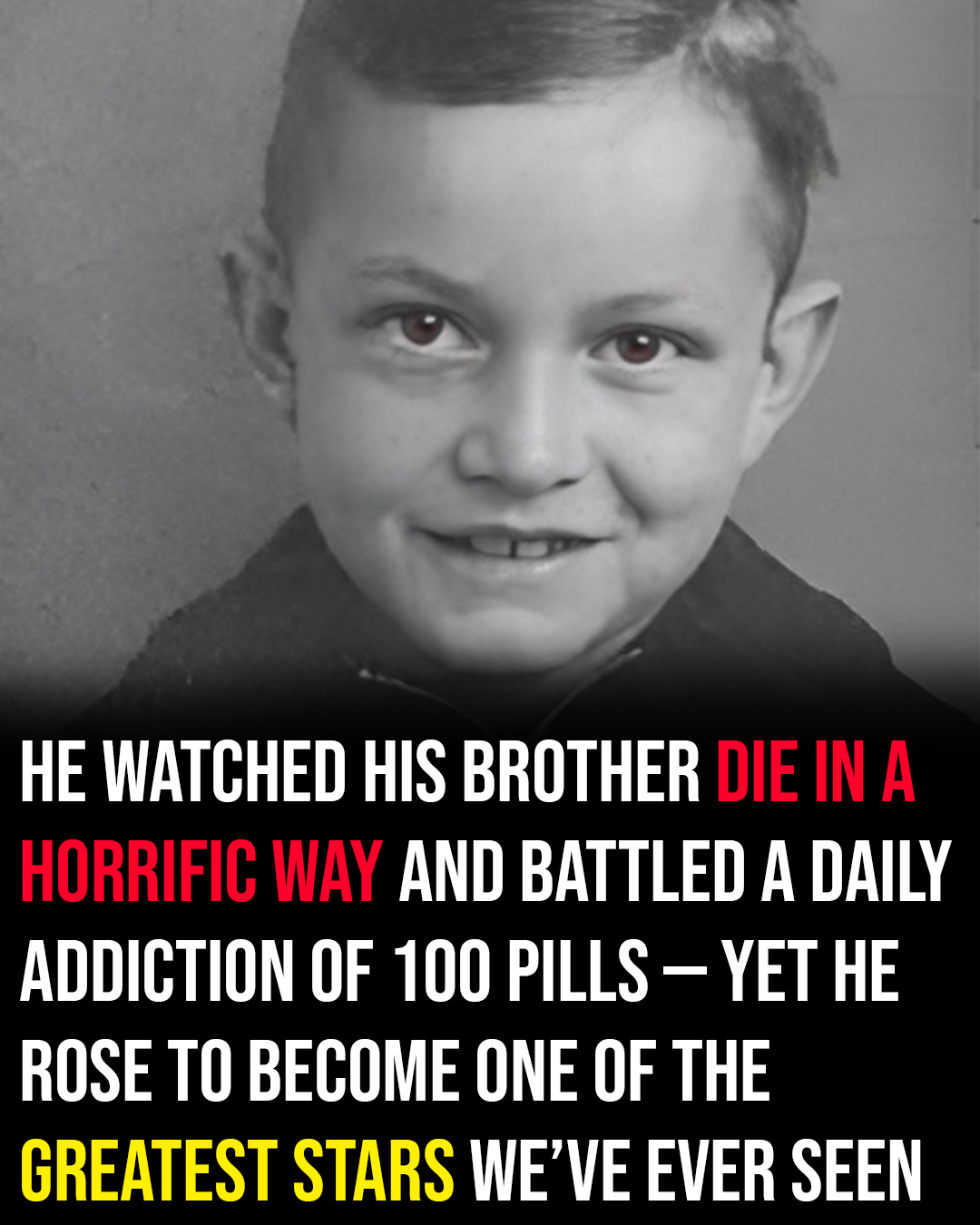
Then, at fourteen, his life cracked open in a way that never fully healed.
The Loss That Changed Everything
Cash’s older brother, Jack, died in a tragic accident. The grief wasn’t just heartbreaking—it was defining. Jack was more than family; he represented stability, faith, and direction. Losing him left Cash with a kind of emotional weight that doesn’t disappear with time.
That loss brought deeper questions into his life—about guilt, meaning, and pain. And from that point forward, his music would carry something heavier than melody. It carried experience.
Military Service and a Clearer Purpose
After high school, Cash joined the U.S. Air Force and served during the Korean War era. Stationed far from home, he leaned into music more seriously—not as a hobby, but as a lifeline. Away from everything familiar, songwriting became a way to make sense of the world and his place in it.
When his service ended, he returned home with more focus and a stronger sense of direction.
Memphis, Sun Records, and a Breakthrough Sound
Cash moved to Memphis, a city packed with ambition, competition, and new sounds. Like many future stars, he worked regular jobs while chasing music at night, taking chances when he could and refusing to quit when it didn’t come easy.
That persistence led him to Sun Records, a label known for spotting talent that didn’t fit neatly into a box. When Cash stepped in, they didn’t hear a polished showman. They heard something better: a voice that felt real.
Hits like I Walk the Line and Folsom Prison Blues didn’t just climb charts—they connected with everyday people. Especially those who felt overlooked, judged, or stuck carrying private struggles.
Fame Came Fast—And So Did the Pressure
Success can look like a dream from the outside, but it often comes with a price. As Cash’s career exploded, the expectations multiplied. The touring, the spotlight, the constant demand to stay on top—it all created the kind of stress that can quietly destroy a person.
Behind the scenes, Cash fell into a serious addiction to pills. By his own later accounts, the situation became extreme. He wasn’t unaware of what was happening—he knew he was spiraling. And he also knew he was getting dangerously close to losing everything: his health, his career, and his life.
The Comeback That Made His Story Legendary
What followed wasn’t a quick fix or a perfect turnaround. It was a hard rebuild—slow, messy, and intentional. A major part of that recovery came through the support of June Carter, who became his partner in life as well as a key force in his personal comeback.
Their relationship wasn’t just about romance. It gave Cash stability when he needed it most. Together, they created a kind of balance that helped him return—not only as an artist, but as a man trying to live with his past and still move forward.
Why His Music Hit Harder as He Got Older
As Cash regained control, his music grew deeper. He didn’t avoid uncomfortable topics—he leaned into them. That’s why his prison performances weren’t just publicity. They were personal. He understood what it meant to feel trapped, to carry regret, and to fight for dignity when the world expects you to fail.
Even as the music business changed, Cash stayed relevant. His later work introduced him to new generations, proving that authenticity outlasts trends—and that a powerful voice isn’t only about sound, but about truth.
Love, Loss, and the Final Chapter
June remained central to his life and legacy. When she passed away in 2003, it marked a turning point. The world could see something shift—like a light went out that couldn’t be replaced. Not long after, Cash died as well.
By then, he wasn’t just famous. He was permanent.
Johnny Cash’s story was never about being perfect. It was about carrying pain, falling apart, and still finding a way back. And that’s what made him unforgettable—because he turned real life into music that made other people feel less alone.
Enjoy stories like this? Share your favorite Johnny Cash song or memory in the comments, and subscribe/bookmark the page for more true music biographies, celebrity life stories, and behind-the-scenes history.