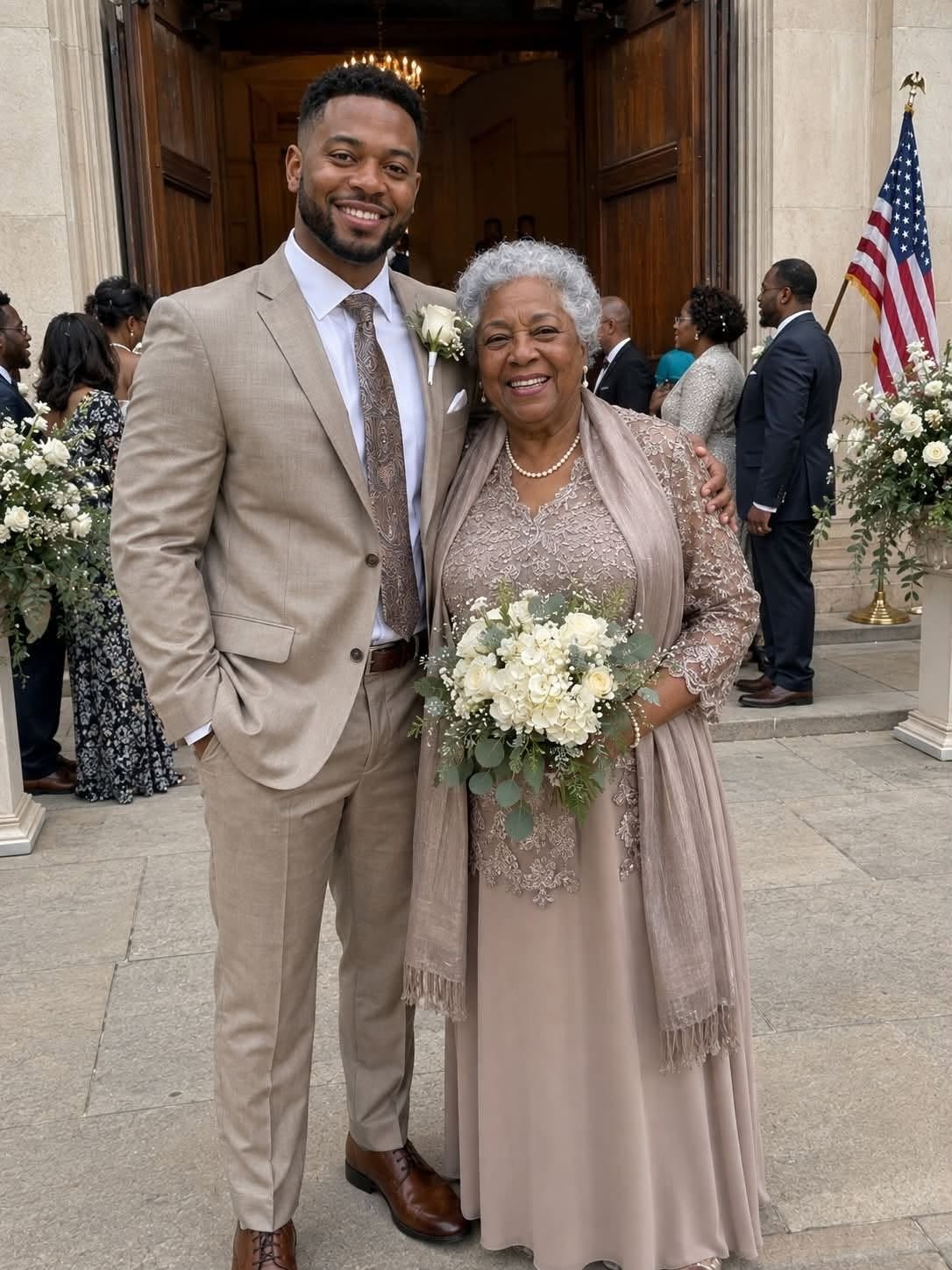
A Practical Arrangement That Became Something Else
The next Thursday, he repaired a loose porch step she had casually mentioned. By Christmas, he was sitting in her yellow kitchen, eating soup while rain tapped against the windows.
Mrs. Winslow lived simply, but he understood she had more money than her modest house suggested. She knew he was desperate. He knew she was financially secure. Neither of them pretended the situation was simple.
One day, while stirring her tea, she told him, “People are courageous when they think they know the whole story.”
Three months later, she asked him to marry her at that same kitchen table. He said yes before he had fully faced what the answer meant.
He later admitted the truth plainly: he married her because he needed money. He was exhausted by poverty, tired of sleeping in a car, tired of deciding whether gas or dinner mattered more.
To the outside world, the conclusion was immediate. Her nieces disliked him from the beginning. People at church looked at his worn shoes, then at her pearl earrings, and decided they already knew what kind of man he was.
Four Years Inside a Marriage Everyone Judged
For four years, he lived in Mrs. Winslow’s house. He drove her to appointments, changed lightbulbs she could not safely reach, made the weak coffee she still drank, and sat across from her while she corrected his crossword answers in red pen.
What began as a financial decision slowly became routine, then companionship. Somewhere between pill bottles, Sunday pancakes, and quiet mornings in the kitchen, he stopped measuring every moment against what he might inherit someday.
Then one morning, her breakfast chair stayed empty.
After the funeral, her family watched him closely. They seemed convinced he had been waiting for that exact outcome. Deborah, the most outspoken of the nieces, told him at the reception that she hoped he had “gotten what I actually came for.” She said it loudly enough for others to hear.
A week later, her lawyer, Mr. Halloran, asked him to come to his office.
He expected legal documents. Maybe keys. Maybe nothing at all.
The formal reading of the will had already happened three days earlier, and it had not delivered the fortune others assumed he wanted. He received a modest sum, much smaller than expected given Mrs. Winslow’s actual wealth. Most of the estate went to her nieces, just as she had apparently planned for years.
Why This Matters
Stories like this draw attention because they sit at the uncomfortable intersection of money, loneliness, family judgment, and estate planning. Inheritance disputes often become emotional not just because of assets, but because each person believes they understand the motives of everyone else involved.
Mrs. Winslow’s family believed the younger man had entered the marriage for financial gain. He did not deny that money was part of the beginning. But four years of daily care complicated the simple version of the story.
When Mr. Halloran finally met with him after the funeral, what he handed over was not the large inheritance people expected him to chase. It was an old sewing machine and a letter.
That quiet final gesture suggested Mrs. Winslow may have understood more than anyone gave her credit for.
Sometimes the most important part of an inheritance is not the amount listed in the will, but the message left behind.