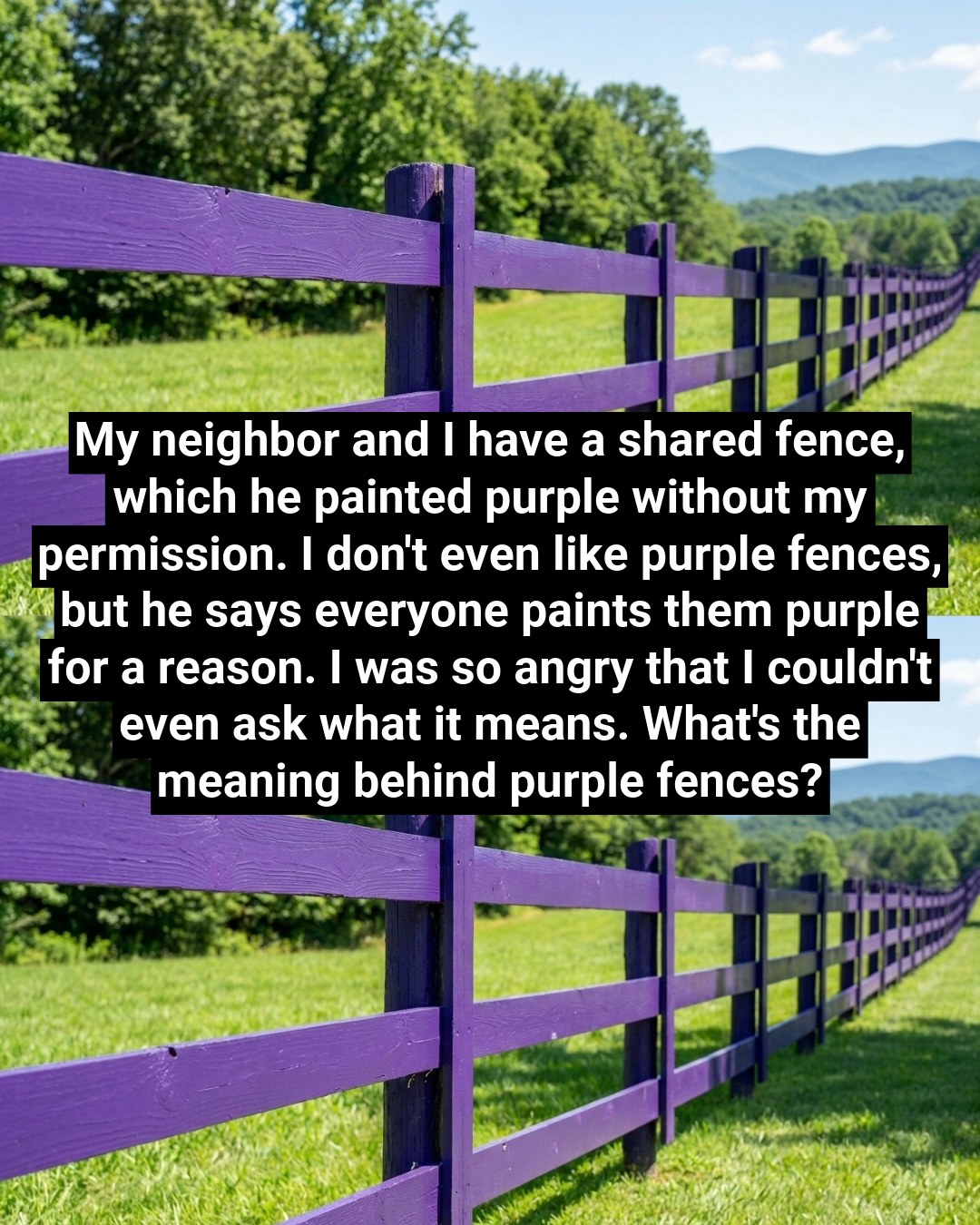
That matters because signs don’t always last. They get stolen, damaged, shot up, blown down, or faded by weather. Paint is cheaper, tougher, and harder to remove—making it a practical tool for landowners who want clear, enforceable boundaries.
Why Purple Paint Is Used (And Why It Works)
Purple wasn’t chosen at random. It’s used because it tends to stand out in natural environments and remains visible in low light—exactly when many hunters and hikers are most active. It also reduces the “I didn’t see a sign” argument. A repeated series of purple stripes along a boundary is hard to miss, and even harder to dispute later.
How These Markings Are Typically Regulated
Each state writes its own requirements, but many laws share similar standards. In general, the paint markings must be:
- Vertical lines (not dots or random splashes)
- Placed at a visible height (often around eye level)
- Repeated at intervals along the boundary so they clearly mark a perimeter
- Applied to trees or posts that face outward toward anyone approaching
Some states commonly associated with these laws include Texas, Missouri, Arkansas, and Illinois, among others. The exact spacing, dimensions, and placement rules can vary—so if you travel for hiking, hunting, or outdoor recreation, it’s smart to check the regulations for the state you’re in.
What Happens If You Cross a Purple Paint Boundary?
For outdoor enthusiasts, this is where things get expensive fast. In states that recognize purple paint as a legal notice, stepping past those marks can be treated the same as ignoring a posted warning sign or entering through a closed gate.
Depending on the jurisdiction and circumstances, penalties may include:
- Fines and court costs
- Misdemeanor charges that can show up on background checks
- More serious outcomes if the situation escalates (for example, refusing to leave when told)
Just as important: “I didn’t know” is rarely a strong defense. If the markings meet legal standards, they may be considered valid notice.
Why This Is Becoming More Common
As rural land becomes more developed and outdoor recreation grows, the line between public access and private property is getting sharper. Landowners face real concerns—liability risk, damaged fences, litter, illegal dumping, and safety issues. Purple paint is an affordable way to make boundaries unmistakable without constantly replacing signs.
It’s also a signal that the owner is serious. In many communities, purple marks are understood as a firm warning: do not enter without permission.
Smart Advice for Hikers, Hunters, and Homeowners
If you’re outdoors and spot purple paint on trees or fence posts, the safest move is simple:
Stop, don’t cross, and find an alternate route unless you have clear permission to be there.
If you’re a property owner, check your state’s rules before painting. Proper placement and spacing can matter if you ever need to enforce trespass laws.
Final Takeaway
Purple paint isn’t decoration—it can be a legally meaningful boundary marker. Treat it like a posted sign: a clear warning that you’re approaching private land. Respecting it protects your wallet, your record, and your safety.
Have you seen purple paint markings where you live? Share your experience in the comments, and consider subscribing/bookmarking for more practical outdoor and property-law tips that can help you avoid costly mistakes.