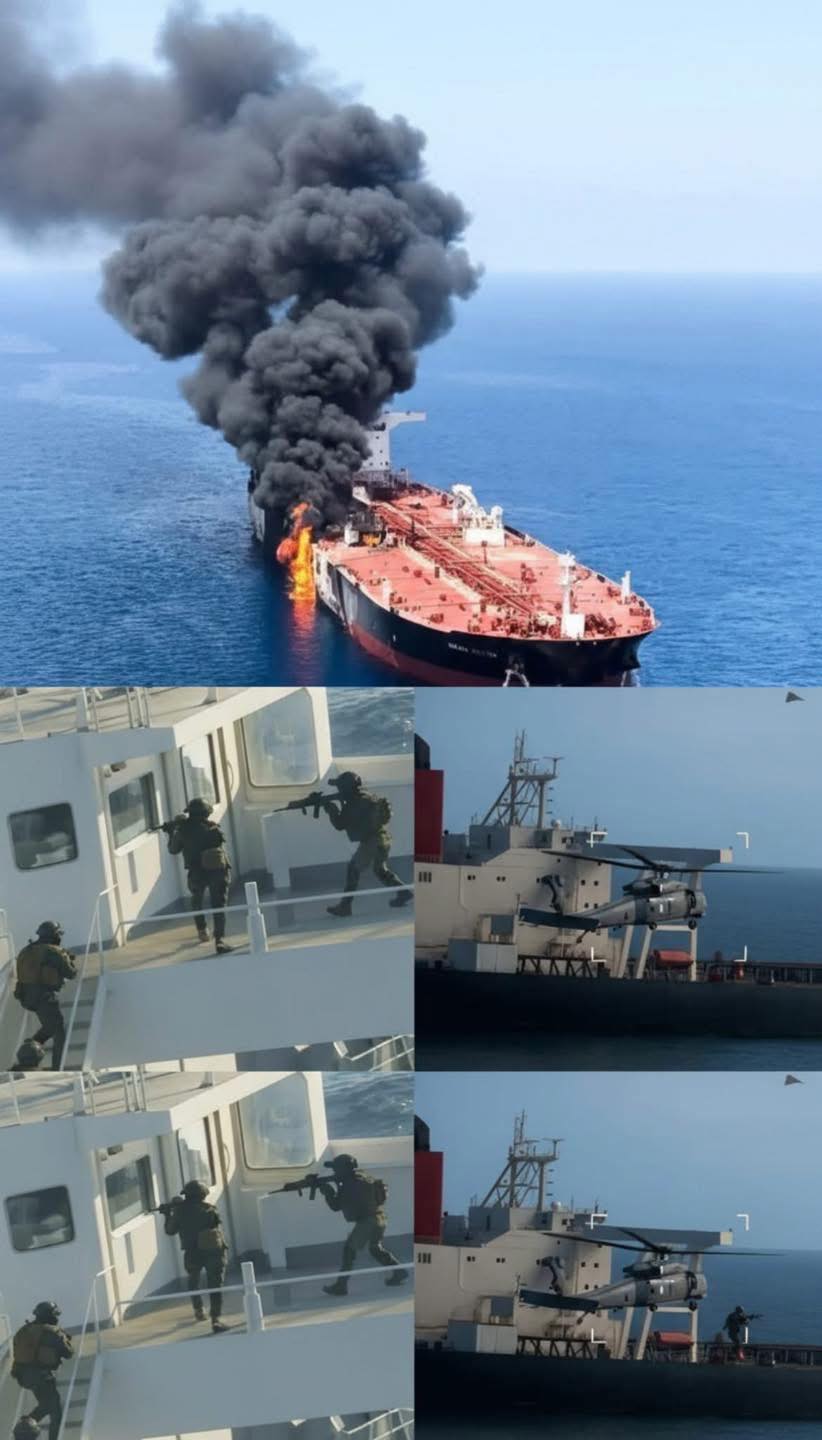
Online Speculation Surges, Officials Urge Caution
As with many high-profile security events, social platforms quickly filled with theories—some claiming links to smuggling, covert activity, or prohibited cargo. However, public-facing statements from U.S. defense channels have remained careful and measured, emphasizing that the action aligned with ongoing efforts to safeguard maritime commerce and deter activities that could threaten allied interests.
That restraint matters. In sensitive regions—especially where multiple countries may claim influence—premature conclusions can inflame tensions, complicate diplomacy, or spread misinformation that’s difficult to correct later.
Why “Routine Patrols” Don’t Feel Routine Anymore
Even when authorities describe an event as part of routine security, the broader context has changed. In recent years, global navies have faced growing concerns around vessels that attempt to avoid detection—such as ships operating with limited identification signals or unclear ownership structures. These tactics can be used for many reasons, from sanctions evasion to covert logistics, and they increase the burden on maritime domain awareness programs worldwide.
The scale and coordination suggested in this interception indicate that decision-makers treated the situation seriously. That alone has fueled interest among experts who track global security risks and the evolution of gray zone operations at sea.
What Happens Next: Investigation, Verification, and Accountability
After a vessel is secured, the most important work often happens quietly. Authorities typically move through a step-by-step process that can include:
- Verifying documentation and cargo declarations
- Interviewing crew members to establish intent and chain of command
- Reviewing navigation and communications data for inconsistencies
- Tracing ownership through corporate records that may involve intermediaries
One reason these cases take time is that crews are not always the masterminds. In many maritime incidents worldwide, personnel may be contractors following instructions without full visibility into who ultimately benefits from the voyage. Investigators often focus on the larger network—ownership, financing, routing decisions, and any third parties coordinating logistics.
Why This Matters for the Global Economy
Maritime stability isn’t a niche military issue—it’s a pillar of the world economy. With the majority of global trade moving by sea, disruptions to critical routes can trigger higher shipping costs, supply chain delays, and market uncertainty. That’s why governments invest heavily in naval security, anti-smuggling enforcement, and the protection of international waters used by commercial fleets.
From a strategic standpoint, interceptions like this also serve as a deterrent signal: contested waters are being watched, and attempts to exploit distance or anonymity at sea may not go unanswered.
Heightened Patrols Continue as the Story Develops
For now, the vessel remains under U.S. control while specialists work through the evidence. The full public picture—what the ship was doing, who directed it, and whether any laws were broken—may take time to emerge. But the interception itself underscores a reality of 2026: there are fewer “quiet” stretches on the world’s oceans, and maritime security has become a constant, high-stakes responsibility.
As more verified details become available, the incident will likely be viewed not just as a single boarding, but as part of a larger struggle to keep critical sea lanes secure in an era of rising competition and increasingly complex threats.
What do you think this interception signals about today’s maritime risks? Share your take in the comments, and if you want updates as new details are confirmed, bookmark this page and check back for the latest developments.