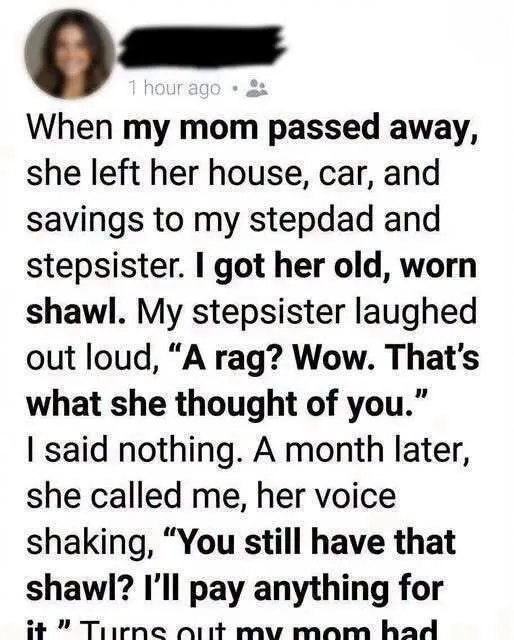
At first, Ashton believed he had no power to challenge her. From what he understood, the estate documents seemed to favor Clara. She appeared to have control of the property, while he had been left only a few personal items.
One of those items was his father’s old wristwatch.
To Ashton, the watch was sentimental, but nothing more. It reminded him of his childhood and of the man he had just lost. He had no idea it would become part of a much larger conversation about his father’s final wishes.
The Lawyer’s Reaction Changed Everything
Confused and hurt, Ashton reached out to his father’s longtime estate lawyer. He expected a routine explanation about the will, the probate process, and why Clara seemed to have authority over the house.
Instead, the lawyer’s reaction surprised him.
After Ashton described what Clara had done, the lawyer gave a short laugh. For a moment, Ashton wondered if he was being dismissed. Then the lawyer grew serious and explained that Ashton’s father had been very careful when preparing his estate documents.
The situation, the lawyer said, was not as simple as Clara taking the house and Ashton receiving a watch.
The property arrangement came with specific terms. Clara may have appeared to have control, but that control included responsibilities. The documents were designed to protect the family’s interests, not give one person unchecked power over a shared family legacy.
That detail mattered because Clara had allegedly tried to shut Ashton out of the property entirely.
According to the lawyer, certain actions could trigger a closer review of the arrangement and potentially affect Clara’s rights under the estate plan. Ashton began to realize that his father may have expected conflict and tried to prevent one child from using the inheritance to exclude the other.
Why the Old Watch Was Not Just a Keepsake
The watch also carried more meaning than Ashton had first understood.
It was not a hidden device or some dramatic secret object. Its importance was much simpler. The lawyer had asked Ashton to bring it because it helped show that his father had specifically intended him to receive that personal item.
In an estate dispute, even small details can matter. Personal property, written instructions, beneficiary designations, and conditions attached to assets can all help clarify what someone intended after death.
For Ashton, the watch became more than a reminder of his father. It became a link to the estate plan itself, and to the care his father had taken in deciding what should happen after he was gone.
When Ashton and Clara later met with the lawyer, the tension in the room was obvious. Clara arrived believing the meeting would confirm her position. Instead, the lawyer walked both siblings through the conditions attached to the estate.
He explained that inheritance documents can include restrictions, duties, and legal conditions that are not always clear from a quick reading or family summary.
Clara had assumed that control of the property meant she could make every decision alone. The lawyer made clear that their father had left instructions for how the home should be handled, and those instructions had to be followed.
That did not mean Ashton suddenly received the entire house. It meant the estate had to be administered according to the legal documents, not according to one person’s assumptions.
What Readers Should Know
Ashton’s story is a reminder that inheritance issues can become complicated quickly, especially when real estate is involved.
A will or estate plan may involve more than a simple transfer of property. Trusts, conditions, ownership rights, beneficiaries, tax considerations, and probate rules can all affect what happens to a home or other assets.
That is why families are often better served by having estate documents reviewed by a qualified legal professional instead of relying on informal interpretations during an emotional time.
In Ashton’s case, the documents showed that his father had not simply divided belongings. He had tried to create a structure that would protect his wishes and prevent one sibling from cutting the other out of the family home.
By the end of the meeting, Ashton felt something he had not felt since the funeral: clarity.
The disagreement with Clara was not instantly solved, but there was now a legal framework to follow. The house still represented decades of memories, but Ashton came to understand that his father’s real legacy was the thought he had put into planning for what came next.
Sometimes the smallest item left behind can lead a family back to the bigger truth.