Why People See Different Numbers
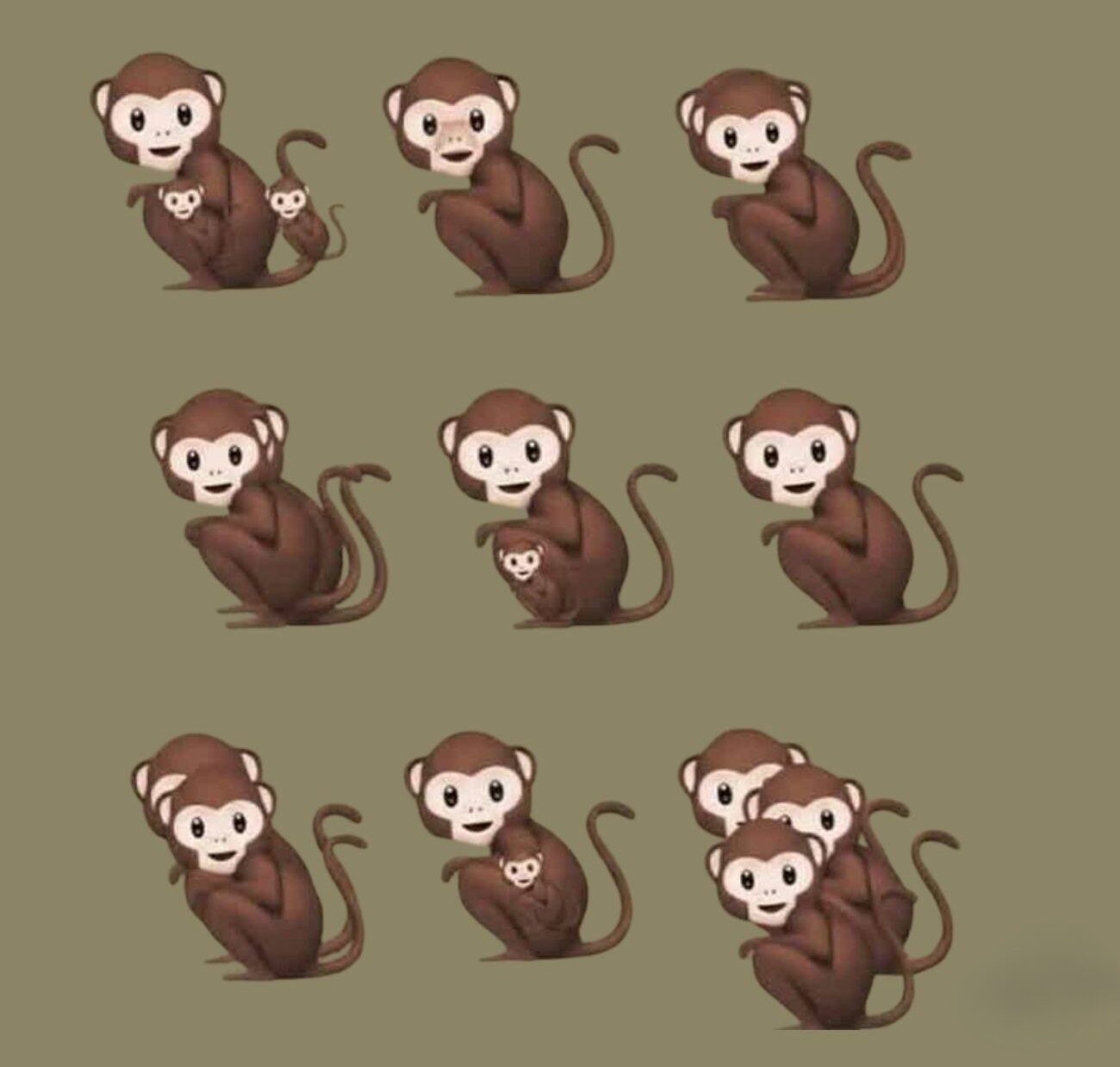
Some people immediately see a small number of monkeys and stop there. Others continue staring at the image and discover hidden figures layered within the design.
Neither response is wrong.
In fact, the variation reveals how perception works inside the brain.
Your mind is constantly interpreting shapes, patterns, and visual clues. Instead of simply recording reality like a camera, the brain actively organizes information and fills in gaps based on experience and attention.
That’s why two people can look at the exact same image and see completely different things.
How the Brain Interprets Visual Illusions
Visual puzzles rely on several psychological processes that shape perception every second.
Selective attention determines what your eyes focus on first.
Pattern recognition helps you identify familiar shapes quickly, even when they’re partially hidden.
Mental shortcuts allow the brain to process information efficiently, but they can also lead to different interpretations.
The monkey illusion combines all these elements together, creating an image that changes depending on how closely you examine it.
The longer you look, the more likely your brain is to uncover additional details.
Big Picture Thinkers vs Detail-Oriented Minds
The illusion also highlights differences in cognitive style.
Some people naturally focus on the bigger picture. They identify the most visible shapes quickly and feel comfortable with their first impression.
Others instinctively search for smaller details, hidden patterns, and subtle variations before deciding on an answer.
Both thinking styles are valuable.
Big-picture thinkers often excel at quick decision-making and seeing overall trends. Detail-oriented people are usually skilled at analysis, precision, and problem-solving.
The puzzle doesn’t determine intelligence or personality. It simply reveals different ways people process visual information.
The Power of Suggestion
One reason the monkey illusion feels so convincing is because of the statement attached to it.
When you read that the image may reveal something about your personality, your brain immediately becomes more invested in finding the “correct” answer.
You start analyzing the picture more carefully. You question your initial response. You spend longer searching for hidden details.
Psychologists call this top-down processing — when expectations and beliefs influence how we interpret information.
In other words, the claim itself changes the way people interact with the puzzle.
Why These Illusions Go Viral So Fast
There’s a reason puzzles like this dominate social media.
They trigger three powerful reactions almost instantly:
Curiosity — people want to test themselves.
Self-reflection — people wonder what the result says about them.
Comparison — people immediately compare answers with friends and strangers online.
That combination creates massive engagement.
The puzzle becomes more than an image. It becomes a shared experience people discuss, debate, and repost repeatedly.
What Science Says About Optical Illusions
Researchers have studied optical illusions for decades because they reveal important insights about how the brain works.
Illusions prove that perception is not always objective. Instead, the brain constantly constructs reality based on patterns, focus, and interpretation.
The monkey puzzle uses overlapping figures and repeating shapes to create visual ambiguity. That ambiguity encourages the brain to explore multiple interpretations simultaneously.
This is completely normal.
Seeing more or fewer monkeys does not mean something is wrong with you — it simply reflects the flexibility of human perception.
The Truth About Quick Personality Tests
The internet is filled with fast personality quizzes and visual “mind tests” claiming to reveal hidden truths about people.
While entertaining, most of these should be viewed as fun experiments rather than serious psychological evaluations.
Real personality assessments require scientific methods, repeated measurements, and careful analysis over time.
A viral image cannot accurately define someone’s character, intelligence, or emotional traits.
But it can reveal something valuable about attention, curiosity, and the way people observe the world around them.
What the Monkey Puzzle Really Teaches Us
Even without the dramatic personality claims, the illusion still offers an important reminder.
First impressions are not always complete.
Sometimes the longer you look, the more you notice.
The puzzle also highlights how unique human perception truly is. Every person brings different experiences, habits, and thinking styles into the way they interpret information.
In a fast-moving world filled with instant judgments, taking a second look can be surprisingly powerful.
Curiosity Is What Makes Us Human
At its core, the monkey illusion isn’t really about monkeys.
It’s about curiosity.
People are naturally drawn to mysteries, hidden patterns, and questions without obvious answers. We enjoy discovering things others might miss, and we’re constantly searching for clues that help us better understand ourselves.
That’s why puzzles like this continue spreading across the internet year after year.
Not because they reveal secret personality traits — but because they remind us how fascinating the human mind really is.
And if you find yourself counting the monkeys one more time, don’t worry.
That’s exactly what curiosity is supposed to do.
Join the Conversation
How many monkeys did you see the first time? Did your answer change after looking closer? Share your thoughts in the comments and follow for more fascinating psychology insights, brain teasers, and viral mysteries explained.