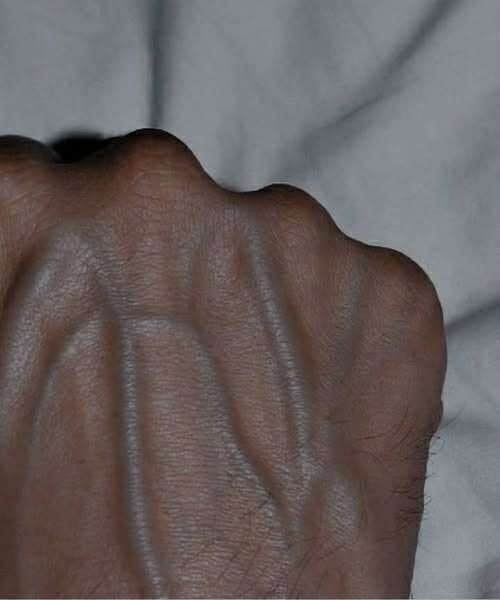
- Pain, tenderness, or throbbing around a vein
- Swelling in the arms, legs, hands, or feet
- Warmth over the area or skin that feels hot to the touch
- Skin color changes (redness, purple discoloration, or unusual paleness)
- Numbness or cold fingers/toes that doesn’t improve
- Slow-healing wounds or sores on the legs/feet
Getting checked early isn’t “overreacting.” It’s a smart way to protect your long-term health—especially when symptoms involve pain, swelling, or persistent changes in skin color and temperature.
The Bottom Line
In most situations, visible veins are simply a sign of normal variation—your body composition, your environment, and your genetics all play a role. The key is to pay attention to new or worsening symptoms and trust your instincts if something feels off.
CTA: Have you noticed more visible veins lately? Share what changed (exercise, weight loss, heat, or something else) in the comments—and if you’ve got symptoms like pain or swelling, consider booking a medical checkup for peace of mind.