Competing Claims in a High-Risk Region
In fast-moving military crises, claims and counterclaims often arrive before independent verification is possible. That makes the information environment almost as important as the battlefield itself.
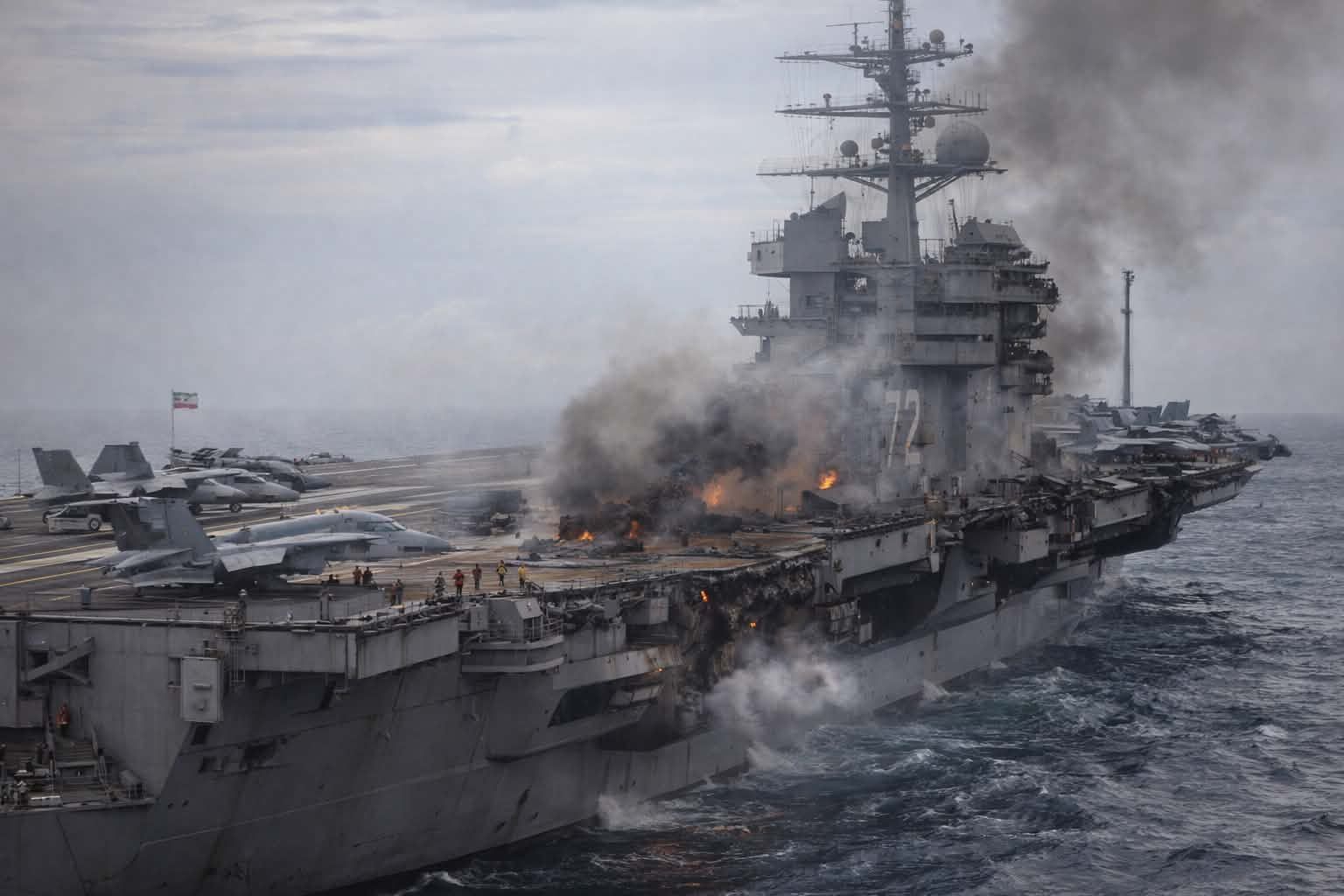
Iranian officials framed the reported missile launch as a show of capability. U.S. officials, by contrast, described the strike claims as false and part of a broader disinformation effort. The two accounts could not be reconciled based on the public statements available.
The stakes are especially high because any confirmed strike on a U.S. aircraft carrier would represent a major escalation. A carrier such as the USS Abraham Lincoln carries thousands of personnel and supports air operations across a wide area, making it both a military asset and a political signal.
Why This Matters for Markets and Shipping
The location of the alleged incident is one reason the story drew immediate global attention. The Strait of Hormuz is one of the world’s most important energy transit routes, and even rumors of a wider conflict can affect oil markets, shipping costs, insurance pricing, and business planning.
When tension rises near major maritime chokepoints, companies that depend on fuel, freight, and global supply chains often face higher uncertainty. Energy traders watch for signs of disruption, while shipping operators and insurers assess whether routes are becoming more expensive or risky.
That does not mean a closure or wider conflict is inevitable. But the combination of military movements, public threats, and competing media narratives can create volatility long before any confirmed damage occurs.
What Happens Next
The immediate question is whether either side escalates further or allows diplomatic channels to reduce the pressure. Public messaging will likely remain a key part of the standoff, especially as each government tries to show strength without triggering a broader conflict.
For now, the U.S. position is that the USS Abraham Lincoln was not hit and continues to operate. Iran’s claim remains disputed, and independent confirmation has not been presented in the public record.
As more verified information becomes available, the most important details to watch will be official military statements, shipping conditions near the Strait of Hormuz, and any confirmed changes in regional force posture.