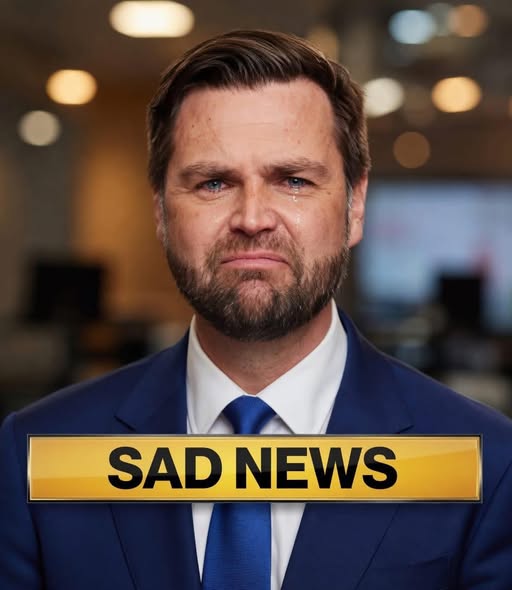
The Whisper Heard Around Washington
The latest flashpoint came after a moment caught on camera during a high-profile event. A professional lip reader, cited in online discussions, claimed the exchange appeared to include wording about a “reckoning.” Because there is no official transcript of private side comments and no independent confirmation of the exact phrase, the claim remains unverified—and that uncertainty is exactly why it has become political rocket fuel.
In today’s media environment, a few seconds of footage can dominate the news cycle for days. Supporters interpret the moment as a promise to challenge entrenched power. Critics interpret it as a sign of escalating hostility. Either way, it has intensified the already heated national conversation about what comes next if political power changes hands.
Controversies Add Pressure at Home and Abroad
The timing couldn’t be more sensitive. Vance has recently been pulled into multiple public disputes that have expanded beyond U.S. domestic politics and into international headlines. Reports of tense conversations involving U.S. foreign policy and Ukraine, plus backlash to remarks perceived as dismissive toward key allies, have helped cement an image of Vance as a politician willing to break with traditional diplomatic language.
To supporters, that bluntness signals authenticity and strength. To opponents, it raises concerns about stability and America’s global relationships—especially at a time when international security and defense spending remain major issues for voters.
A Divided Room, a Divided Country
Inside the venue, the optics reportedly reflected the broader mood in Washington: sharp contrast, little warmth, and almost no middle ground. While Trump delivered hard-hitting attacks on the current administration, Democratic lawmakers responded with visible disapproval—some using signs and silent protest to accuse Republicans of favoring wealthy donors and weakening programs that support working families.
It’s a snapshot of a government operating under maximum tension, where every gesture is interpreted as strategy, and every phrase becomes a potential campaign ad.
Two Americas, Two Interpretations
Critics argue that Vance’s evolution shows how political incentives can push leaders toward absolute loyalty and sharper rhetoric. In their view, talk of a “reckoning”—even if only alleged—feeds a dangerous idea: that political opponents should be treated as enemies rather than competitors.
Supporters see it differently. They say the political establishment ignored middle-class pressure for years, and that a tougher approach is the only way to force real change. For them, the outrage from opponents is proof the message is landing—and proof that the status quo feels threatened.
What This Means for the 2026 Election
With the election approaching, moments like this don’t fade—they multiply. The “whisper” controversy, verified or not, captures the current era: nonstop scrutiny, rapid outrage cycles, and a political culture where every second of footage can be framed as a turning point.
Ultimately, the impact won’t be decided by pundits, viral clips, or lip-reading debates. It will be decided by voters weighing the economy, inflation, immigration, foreign policy, and trust in institutions—and choosing which vision of leadership they believe will deliver results.
One thing is clear: the age of quiet politics is over. Every word is a headline, every pause is analyzed, and every election feels bigger than the last.
What do you think—was this just campaign heat, or a sign of where U.S. politics is headed? Share your take in the comments, and if you want more updates on the 2026 election, subscribe and check back for the latest breakdowns.