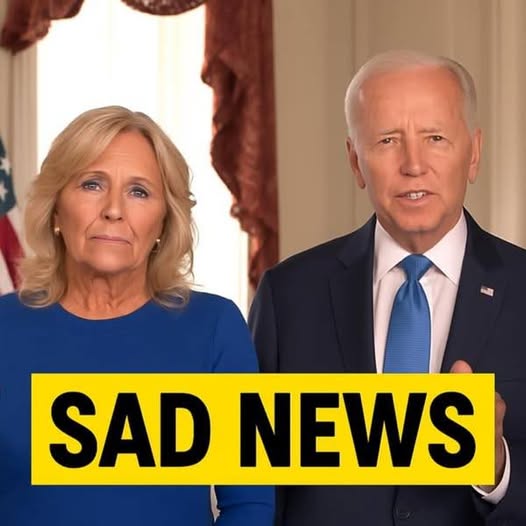
A Family Moment in a Political Room
The scene itself added emotional gravity. Biden was surrounded by the people who have shared the cost of public life with him—First Lady Jill Biden, along with family members who have stood beside him through decades of triumph and tragedy.
He also returned to a familiar theme: his Scranton, Pennsylvania roots. He spoke about growing up with a stutter and modest beginnings, and how the American system—at its best—can elevate ordinary citizens into extraordinary roles. This time, the “kid from Scranton” story didn’t sound like a slogan. It sounded like a closing chapter.
Endorsing Kamala Harris: A High-Stakes Transition
One of the most consequential parts of Biden’s address was his clear endorsement of Vice President Kamala Harris. He urged Democratic voters—and the wider electorate—to rally behind her as the party’s path forward.
Politically, the endorsement signaled an attempt to prevent an extended internal battle and to keep the campaign infrastructure moving quickly. Historically, it also opened the door for Harris to potentially become the first woman of color to lead a major party presidential ticket—an inflection point with major implications for voter turnout, coalition-building, and the 2024 election map.
Global and Domestic Reaction: Praise, Relief, and Debate
Internationally, many U.S. allies described Biden’s move as a rare example of statesmanship—placing national interest above personal power at a time when democratic norms face pressure worldwide. Leaders across major capitals framed it as a stabilizing decision with potential ripple effects for global security, diplomacy, and international markets.
At home, reactions split along familiar lines. Supporters expressed sadness and gratitude, viewing the moment as the end of a long public-service era defined by resilience and empathy. Critics argued the decision was inevitable given the political headwinds. Still, even among disagreement, there was broad recognition that the country had witnessed a defining moment in modern presidential politics.
What Happens Next: Governing, Legacy, and the 2024 Election
Stepping away from the campaign trail does not remove the responsibilities of the presidency. In the weeks that followed, Biden remained focused on policy priorities and international diplomacy—operating with the urgency of a leader determined to finish strong.
His withdrawal also reshaped how history may judge his presidency. Rather than clinging to power, he reinforced a central democratic idea: institutions should matter more than individuals. For many Americans, the lasting image from that night won’t be a headline or a poll number—it will be a president choosing the country’s future over his own political future.
Final Takeaway
Biden’s Oval Office announcement will likely be studied as a rare case of a sitting president voluntarily narrowing his own path to preserve party stability and public trust. Whether voters see it as sacrifice, strategy, or both, it undeniably reset the 2024 race—and accelerated the next chapter of American leadership.
What do you think this decision means for the 2024 election and the future of the Democratic Party? Share your thoughts in the comments, and if you want more clear, timely breakdowns of major political developments, bookmark this page and check back for updates.