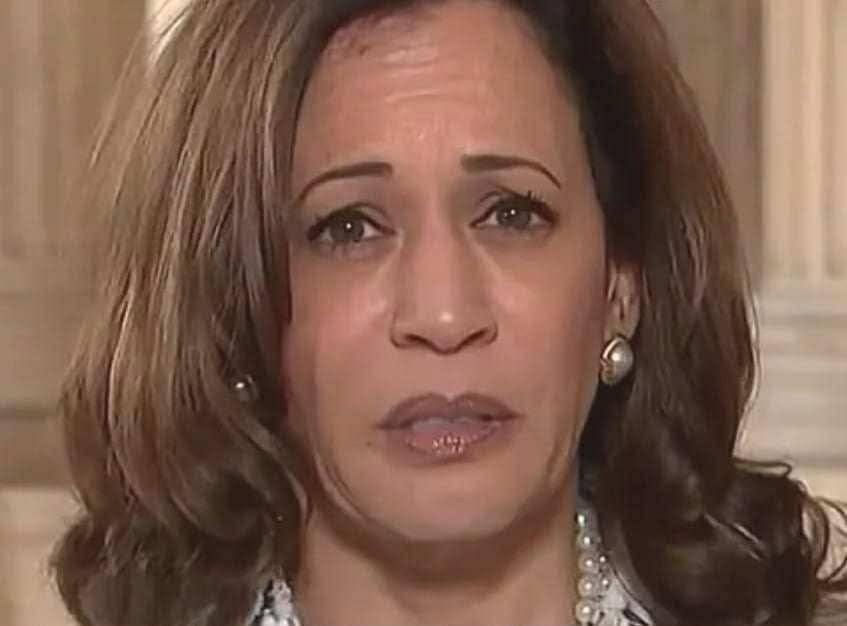
Internal Disagreements and a Blurred Narrative
Another challenge, according to accounts from within Democratic circles, was strategic division. Some advisers pushed for relentless “kitchen-table” messaging—jobs, wages, housing, healthcare costs, and small-business stability. Others believed the campaign should lean harder into coalition politics and social issues that energize the base.
The result, observers say, was a message that shifted too often. Voters may not follow every policy detail, but they do notice consistency. Meanwhile, Donald Trump’s campaign stayed disciplined around a narrower set of themes tied to the economy and security, repeating them in a way that was easy to recognize—whether or not voters agreed with his approach.
Willie Brown’s Blunt Assessment Sparks Debate
Adding to the post-election scrutiny, former San Francisco Mayor Willie Brown—an experienced political figure who has known Harris for years—offered a sharp critique that echoed across the political landscape. He argued Democrats misread the national mood and relied too heavily on assumptions that didn’t hold up under real turnout conditions.
His comments also reignited a broader conversation about how candidates are judged, what persuades undecided voters, and whether campaigns spend enough time stress-testing their strategy outside friendly environments. Regardless of where people land on that debate, Brown’s central point struck a nerve: elections are won by persuasion, not by prediction.
When Social Media Momentum Doesn’t Translate to Votes
Supporters pointed to packed rallies, viral clips, and strong online engagement as proof of energy. But post-election analysis in political media suggested a familiar modern problem: digital excitement doesn’t always equal ballot-box results.
Campaigns can dominate trending topics and still lose persuadable voters who don’t live online—or who consume politics through entirely different channels. Analysts argued the team may have overestimated how much online enthusiasm would translate into turnout and swing-state conversions, especially in an attention economy dominated by outrage-driven content.
Harris’s Message: No More Excuses, Only Lessons
In her remarks, Harris struck a tone that was more reflective than defensive. She thanked supporters and acknowledged the disappointment many felt, but she also signaled that blaming one person or one event would not fix the underlying issues. The loss, she implied, was not simply about timing—it was about connection. Voters wanted clarity and reassurance in uncertain economic times, and the campaign did not persuade enough of them that it could deliver it.
Her closing message carried a challenge to Democratic leadership: listen more closely to working families, spend less time inside consultant-driven bubbles, and build a platform that speaks to real life as much as it speaks to ideals. She left the podium with a sense of finality about the race—but also a clear warning that the party’s next chapter will require sharper focus, better messaging, and a more grounded understanding of what voters are feeling.
What do you think was the biggest factor in this election outcome?
Share your take in the comments—and if you want more clear, no-hype updates on U.S. politics, bookmark this page and check back for the next breakdown.