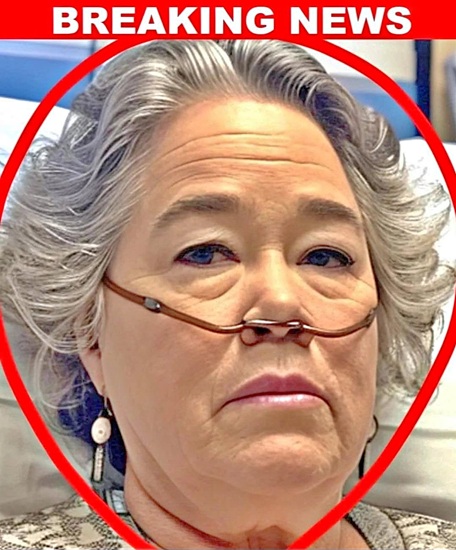
Years later, she shared that she had survived ovarian cancer. For many people who have gone through cancer treatment, that kind of experience can bring a complicated mix of relief, fear, gratitude, and uncertainty. Bates has spoken in a way that reflects that reality without making recovery sound simple or easy.
Facing Another Diagnosis
In 2012, Bates was diagnosed with breast cancer. The news came after she had already lived through ovarian cancer, making the second diagnosis especially difficult emotionally.
During public comments about that period, Bates described the fear and shock of hearing such life-changing news from a doctor. She used humor to make the moment understandable, once comparing the experience to something far more frightening than a television horror story.
That honesty is part of why her words connected with so many people. A cancer diagnosis can be overwhelming regardless of a person’s fame, success, or resources. Bates did not present herself as untouched by fear. She acknowledged the emotional weight of the experience.
After her breast cancer diagnosis, Bates underwent treatment that included a double mastectomy. She has spoken openly about the choices involved in her care and the realities of recovery. Her comments have helped highlight that cancer treatment is not only a medical process, but also an emotional one that can affect a person’s body, confidence, routines, and outlook.
What Readers Should Know
Another major part of Bates’ health journey has been lymphedema, a chronic condition that can occur when the lymphatic system is affected after cancer treatment. Bates has described it as a lifelong condition that requires ongoing management.
She has used interviews and public appearances to raise awareness of lymphedema, a condition that often receives less attention than cancer itself. Her advocacy has encouraged more public understanding of the long-term health issues some survivors may face after treatment.
As with any serious medical concern, people experiencing symptoms or managing recovery should seek guidance from qualified healthcare professionals. Bates’ story can help raise awareness, but individual care decisions depend on a person’s own diagnosis, treatment history, and medical needs.
Throughout her public comments, Bates has also emphasized the importance of support. Family, friends, healthcare teams, and fellow survivors can play a meaningful role when someone is navigating illness, treatment, or recovery.
That may be one reason her story continues to resonate. It shows that even people with celebrated careers can face fear and uncertainty behind the scenes. It also shows how sharing those experiences can help others feel seen.
Kathy Bates’ journey is a reminder that resilience does not mean pretending everything is easy. Sometimes it means speaking honestly, accepting support, and continuing forward one step at a time.