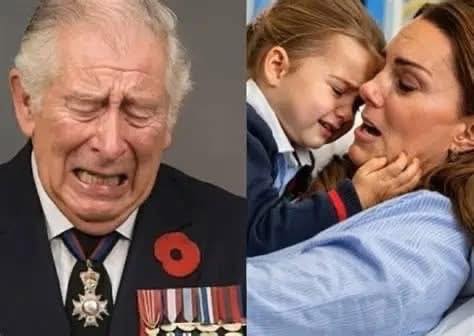
“I’m sorry. I’m sorry for your mother.”
Why Those Words Matter to So Many People
On the surface, it’s a simple apology. But in the context of the royal family—and in the long shadow of Diana’s story—those words land differently.
For years, public discussion around Diana’s death has been dominated by documentaries, investigations, and ongoing speculation. Many people still revisit the same questions: Could the tragedy have been prevented? Were mistakes made? Why did events unfold the way they did?
But for Prince William, it was never a topic of theory. It was the defining loss of his childhood—one that followed him through every milestone, every public duty, every moment where the world expected him to be steady while he carried something deeply personal.
A Shift in How People View King Charles and the Past
King Charles has long been viewed through complicated public narratives—his marriage to Diana, the breakdown of their relationship, and the intense media pressure that surrounded them. Over time, those events became a permanent part of the monarchy’s modern image.
That’s why this reported exchange stands out. It isn’t framed as strategy or image management. It doesn’t read like a carefully crafted line for public consumption. It reads like something that took years to say—something that may have been impossible to express earlier, but felt necessary now.
An apology like this doesn’t rewrite history, and it doesn’t erase grief. But it can acknowledge what has always been there: that the impact of Diana’s absence never stopped being real for the people closest to her.
Not “Closure” — But Something Close to Honesty
Some losses don’t come with neat endings. There may never be a single conversation that makes everything feel resolved. Still, there’s a difference between silence and recognition.
If this report reflects what truly happened, the significance is less about royal drama and more about something universal: a parent admitting pain that can’t be undone, and a child hearing words that may have been needed for years.
Even in the most public family on earth, the most meaningful moments are often the ones that happen quietly—without witnesses, without headlines—until, eventually, they find their way into the open.
What do you think this kind of private apology can change—if anything—after so many years? Share your thoughts in the comments, and if you want more updates on royal family news, legacy stories, and behind-the-scenes reports, consider subscribing or bookmarking this page.