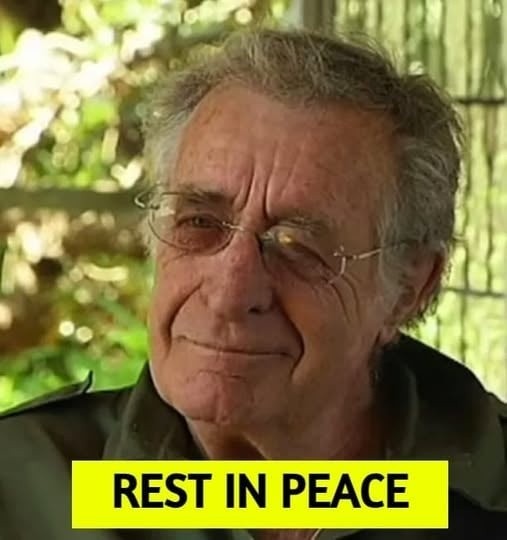
To those who worked alongside him, Page wasn’t just brave—he was highly skilled. Veteran filmmakers and crew members have often credited him with a rare mix of calm instincts and technical control, especially behind the wheel, where tiny decisions can be the difference between a clean take and catastrophe.
Before CGI, there was real risk—and real expertise
Today’s blockbusters can create danger with pixels. But during the golden age of practical effects, the realism came from people willing to do the impossible—carefully, repeatedly, and under intense pressure. When a script called for a car to flip, crash, or explode, it wasn’t a computer doing the work. It was a human being strapped into a harness, trusting the engineering, the planning, and the team.
Page helped push that craft forward. Over his long career, he contributed to the development of smarter stunt planning and safer execution—work that quietly protects performers and crews to this day. Many in the industry view that behind-the-scenes impact as just as important as any on-screen moment.
His connection to Mad Max and a new standard for action
Grant Page is widely associated with the gritty, high-impact style of early Australian action filmmaking, including the world that helped make Mad Max a landmark. The franchise became famous for its raw, practical vehicle sequences—fast, loud, and startlingly real. That realism didn’t happen by accident. It came from experienced professionals who understood speed, weight, traction, and consequences.
Those productions helped elevate the stunt role from “invisible risk-taker” to a respected creative force. Page’s work contributed to a shift in how action scenes were built: not just as spectacle, but as choreography—where precision mattered as much as courage.
More than car stunts: a career built on controlled extremes
Page’s reputation wasn’t limited to driving. Over the years, he became known for taking on a wide range of high-risk performances—work that demanded training, discipline, and an unusual tolerance for discomfort. From fire-based stunt work to other physically punishing setups, he built a legacy as someone who would commit fully, while still respecting the technical demands of safety and timing.
Like many longtime stunt professionals, he carried the evidence of that commitment in scars and injuries—marks of a profession where success often means walking away from something that could have gone wrong.
A legacy that outlives the crash
Grant Page is survived by his four sons and a wide circle of loved ones, collaborators, and friends. He also leaves behind something larger: a body of work that continues to influence stunt coordinators, action directors, and filmmakers who still believe the most unforgettable scenes are the ones that feel real because they are real.
In an age where action can be endlessly polished in post-production, Page’s career stands as a reminder of what practical filmmaking required: preparation, teamwork, and a performer willing to put everything on the line to bring a story to life.
If you’d like, share your favorite practical-stunt movie moment in the comments—and consider passing this tribute along to someone who loves classic action cinema.