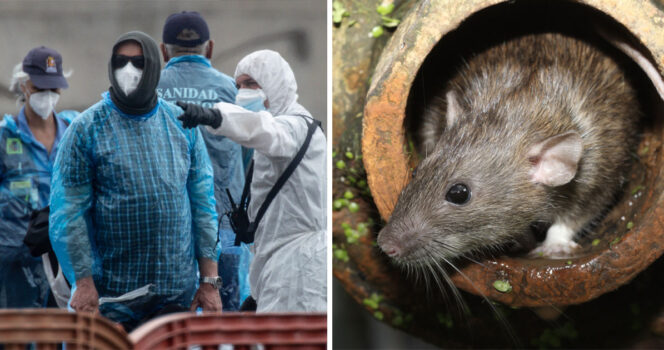
American Passenger Tests Positive
Reports indicate that an American passenger has tested positive for hantavirus, raising concerns about potential exposure among other travelers and crew.
Hantavirus infections are typically associated with exposure to rodents—particularly contact with urine, droppings, saliva, or inhaling particles that become airborne from dried material. The World Health Organization (WHO) has warned that hantavirus cardiopulmonary syndrome (HCPS) can be severe, with a high fatality rate.
WHO: Serious, But Not a Global Pandemic Scenario
During a recent press briefing, WHO epidemiologist Maria Van Kerkhove addressed public anxiety, emphasizing that while the disease is dangerous, it is not comparable to a widespread pandemic threat.
She noted that infections are uncommon, but can be fatal, and stressed the importance of accurate, reliable information so the public understands the real level of risk and exposure.
Investigators Focus on Landfill Exposure in Ushuaia
Investigators reportedly believe a Dutch couple may have been exposed during a visit to a landfill area in Ushuaia, which was described as potentially heavily populated by rodents. Officials suspect the infection may have been unknowingly carried back onto the ship, triggering the onboard health emergency.
Countries Potentially Linked to the Investigation
Based on current reporting, several countries have possible links to the case tracing and passenger monitoring efforts, including:
- Argentina
- Cape Verde
- The Netherlands
- United Kingdom
- United States
- Denmark
- Germany
- Philippines
- Singapore
- South Africa
- Spain
- Switzerland
- France
As contact tracing continues, that list could change depending on where passengers traveled, which flights they took, and whether any additional suspected cases are identified.
What Happens Next: Monitoring Through the Incubation Window
Global health researcher and infectious disease specialist Dr. Alexandra Wharton-Smith said it’s possible there could be a small rise in cases in the coming weeks, depending on exposure and the incubation period. She emphasized that health agencies will likely monitor anyone potentially exposed from the date of contact until the end of the incubation window, meaning additional cases—if they occur—could appear later.
At the same time, she urged the public not to panic and to follow updates from trusted sources while continuing daily life as normal.
Practical Safety Reminder for Travelers
For most people, the risk remains low. However, public health experts commonly recommend avoiding areas with visible rodent activity, ensuring good ventilation when cleaning dusty spaces, and following local health guidance—especially when traveling.
Stay informed: If you want updates as this international health investigation develops, bookmark this page and share it with anyone who has upcoming cruise or international travel plans. What questions do you have about hantavirus symptoms, transmission, or travel safety?