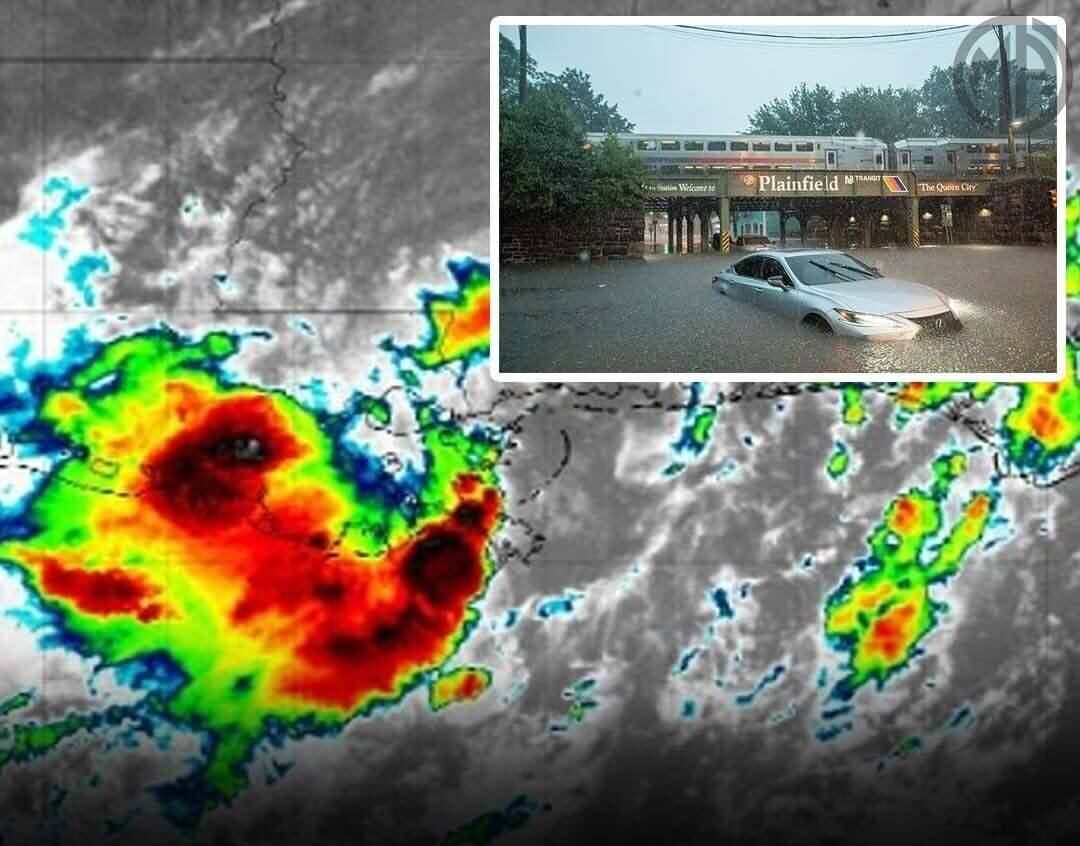
Powerful Winds and Severe Storms Expected
In addition to flooding, the storm system may produce strong wind gusts and severe thunderstorms across several states.
Meteorologists are monitoring conditions that could potentially support:
Damaging straight-line winds
Isolated tornadoes
Falling trees
Structural damage
Widespread utility interruptions
Experts note that rapidly changing atmospheric conditions can make severe weather difficult to predict with precision days in advance.
Why This Storm Is Raising Concern
Weather specialists say unusually warm ocean temperatures and unstable atmospheric patterns may contribute to the storm’s intensity.
These conditions can provide additional moisture and energy, allowing storm systems to strengthen more rapidly and produce heavier rainfall totals than normal.
Climate researchers have also noted that warmer air can hold more moisture, increasing the potential for extreme precipitation events in certain weather patterns.
Emergency Crews Are Already Preparing
Authorities in several regions have reportedly begun staging emergency resources ahead of the storm’s arrival.
Preparedness efforts include:
Positioning rescue equipment
Distributing sandbags
Preparing emergency shelters
Monitoring rivers and dams
Coordinating evacuation plans
Emergency officials continue encouraging residents to follow updates from trusted local weather services and government agencies.
Residents Urged To Prepare Early
Safety experts recommend taking precautionary steps before severe weather arrives.
Recommended preparations may include:
Charging phones and backup batteries
Stocking water and nonperishable food
Securing outdoor furniture and loose objects
Reviewing emergency evacuation routes
Avoiding unnecessary travel during severe conditions
Families living in flood-prone areas are encouraged to remain especially alert for evacuation notices or flash flood warnings.
Flash Floods Remain One of the Greatest Dangers
Meteorologists repeatedly emphasize that flash floods are among the deadliest weather threats because they can develop with little warning.
Even shallow floodwaters may become dangerous due to strong currents, hidden debris, or submerged road damage.
Officials continue reminding drivers never to attempt crossing flooded roads, as vehicles can lose control quickly in moving water.
Infrastructure Concerns Add Additional Risk
Cities with aging drainage systems or dense urban development may face elevated flooding risks if heavy rainfall overwhelms infrastructure capacity.
Experts warn that even regions not traditionally associated with flooding can experience severe impacts when storms produce rainfall faster than systems can safely absorb or redirect water.
Final Thoughts
As weather agencies continue monitoring this developing storm system, officials stress that preparation and awareness remain the most important tools for staying safe.
While forecasts may continue changing as new data becomes available, emergency experts agree that early planning can significantly reduce risks during major weather events.
Residents are encouraged to stay informed through official weather alerts and local emergency management updates in the coming days.
If you found this update helpful, share it with friends and family so they can stay prepared and informed as the storm develops.