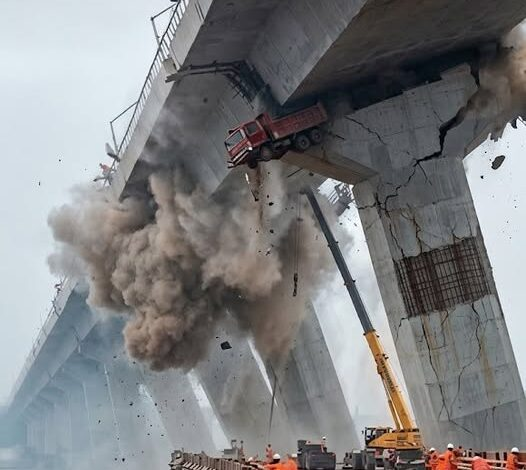
Hospitals Overwhelmed as Field Clinics Expand
Hospitals and local clinics have been flooded with injured people, including those suffering from crush injuries, fractures, and head trauma. Medical teams are working under pressure, with emergency services setting up temporary field clinics to provide urgent treatment where facilities are strained or transportation is limited.
Alongside physical injuries, many survivors are also dealing with serious emotional distress. With aftershocks continuing, fear remains high, and many residents are avoiding buildings that could be weakened or at risk of collapse.
Aftershocks, Landslides, and Power Outages Increase Risk
Officials warn that ongoing aftershocks may further destabilize structures already damaged by the main quake. In mountainous regions, the danger doesn’t stop at shaking—landslides can cut off roads, destroy homes, and delay rescue operations even longer.
In several locations, power outages have left neighborhoods in darkness, affecting everything from emergency communications to hospital operations. When electricity and cell networks fail, it becomes harder for authorities to confirm which villages need immediate support, creating gaps in information at a time when every minute matters.
Governments Mobilize Disaster Response and International Aid
Disaster response units across the affected countries have been mobilized, with teams deploying search-and-rescue specialists, debris-clearing machinery, medical supplies, and engineering support. International relief organizations are also preparing assistance, especially for areas that remain difficult to reach.
On the ground, rescuers are using trained search dogs, thermal imaging tools, and structural assessments to locate survivors while reducing risk to response teams. Volunteers are also playing a major role—forming human chains to remove debris by hand and helping displaced families find safe shelter.
A Growing Humanitarian Crisis: Displacement, Food Security, and Public Health
Beyond the immediate emergency, the region now faces a longer-term challenge: large-scale displacement. Thousands of people may be forced into temporary shelters or open-air camps. That raises urgent concerns about clean water, sanitation, infectious disease prevention, and food supply—especially in rural areas where resources are limited even in normal times.
Damage to farmland and livestock could also deepen the crisis, threatening local livelihoods and worsening economic hardship for families who have lost homes, income, and essential belongings.
Safety Warnings Issued as Recovery Could Take Weeks
Public safety officials are urging residents to stay away from buildings showing cracks, leaning walls, or other signs of structural weakness. People are also being advised to avoid slopes and unstable hillsides where landslides are more likely after major seismic activity.
Clearing key transportation routes may take days or longer, and full recovery could stretch into weeks or months depending on the extent of damage and access to resources. Still, cooperation between regional authorities is helping speed up the movement of aid and emergency teams across affected areas.
Communities Hold On to Hope as the Search Continues
As rescue operations continue, stories of courage and community support are emerging—neighbors helping neighbors, volunteers working nonstop, and medical workers pushing through exhaustion to save lives. For now, the mission is clear: find survivors, treat the injured, and protect families from further harm.
Closing CTA: If you want timely updates and practical safety guidance during major disasters, bookmark this page and share it with someone who may need it—then leave a comment with your thoughts or prayers for the families affected.