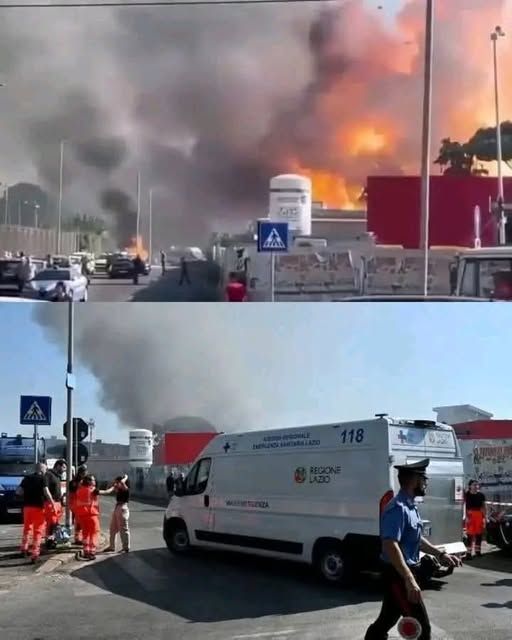
More than 30 vehicles, including cars and motorcycles, were reportedly burned in the explosion and fire. For people in the area, the highway was quickly transformed from a routine commuting corridor into a scene of panic, smoke, and wreckage.
The damage was not limited to vehicles. Nearby businesses and residential buildings also sustained damage from the force of the explosion, adding to the financial and emotional toll on communities around Iztapalapa and Chalco.
Investigators Look at Cause, Permits, and Insurance
Authorities are examining the wreckage of the tanker as they work to determine what led to the crash. Early reports have pointed to several possible factors, including speed, mechanical failure, or driver error, though no final cause has been confirmed.
The disaster has also brought renewed attention to whether the tanker had the required permits and adequate insurance coverage. Those questions matter not only for accountability, but also for victims, families, vehicle owners, businesses, and residents seeking compensation for losses.
Transporting hazardous materials through dense urban areas carries major public safety and infrastructure risks. When a fuel tanker accident happens in heavy traffic, the consequences can extend far beyond the road itself, affecting hospitals, emergency services, local commerce, and surrounding neighborhoods.
The Bigger Picture
The explosion has revived calls for stricter inspection of hazardous cargo vehicles and possible changes to routes used by fuel tankers near residential zones. Local activists and safety advocates argue that stronger enforcement could reduce the risk of another deadly incident.
For now, the Iztapalapa-Chalco highway remains a place of mourning, with families waiting for updates and communities demanding answers. The tragedy is a reminder that road safety, vehicle maintenance, insurance compliance, and emergency planning are not abstract policy issues when dangerous cargo moves through crowded cities every day.
As investigators continue their work, the central question is whether this disaster will lead to lasting changes before another commute turns dangerous.