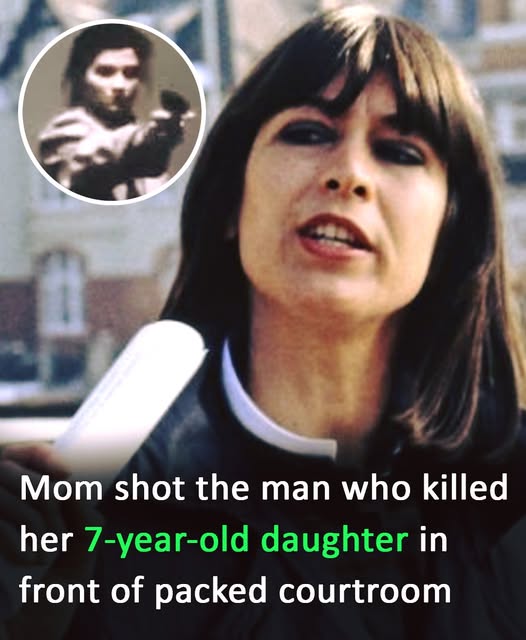
As the defendant reacted with a look that some in the room read as smug—an expression that felt, to her, like disrespect—her restraint finally gave way. She rose, not with theatrical anger, but with the heavy inevitability of someone who has been carrying too much for too long. It wasn’t a calculated decision. It was grief turning into motion.
She pushed past the wooden barrier before anyone fully registered what was happening. Her hands were empty—no weapon, no hidden object—yet her purpose was unmistakable. She lunged forward with a raw cry that didn’t sound like a sentence, or even a word. It was the kind of sound people make when language fails and pain takes over.
Deputies intercepted her mid-stride, grabbing her arms and pulling her back as she fought to break free. She pleaded to be let go, not with threats, but with desperation—begging for a kind of justice that a courtroom can’t always deliver, no matter the verdict.
The scene spiraled instantly: jurors recoiled, spectators gasped, and the defendant’s face drained of color. The judge, momentarily stunned, tried to restore order as the courtroom buzzed with fear, shock, and the uncomfortable recognition that everyone had just witnessed something deeply human—something the law isn’t designed to contain.
In that single moment, the case stopped being just another headline about violent crime and became a painful reminder of what sits beneath every trial: families shattered, lives permanently altered, and a system asked to provide closure it can’t always guarantee. The outburst didn’t change the facts of the case, but it exposed a truth many people in that room already felt—some wounds don’t respond to procedure, and some grief doesn’t wait its turn.
What This Moment Reveals About Courtroom Reality
Trials are meant to be controlled environments—structured, predictable, and guided by rules. But when the subject is homicide, the courtroom isn’t just a legal stage. It’s where trauma is replayed in public. For families, every detail can reopen the loss. For jurors, it can be emotionally overwhelming. And for the broader public, it raises hard questions about victims’ rights, accountability, and whether “justice served” always feels like justice at all.
What happened wasn’t just a disruption. It was a collision between human pain and legal process—an unforgettable reminder that behind every case file is a life that can’t be restored.
Closing CTA: What do you think—should courts offer more support for grieving families during high-stakes trials, or is strict control the only way to protect due process? Share your thoughts in the comments, and follow for more real-world stories that explore the intersection of law, loss, and accountability.