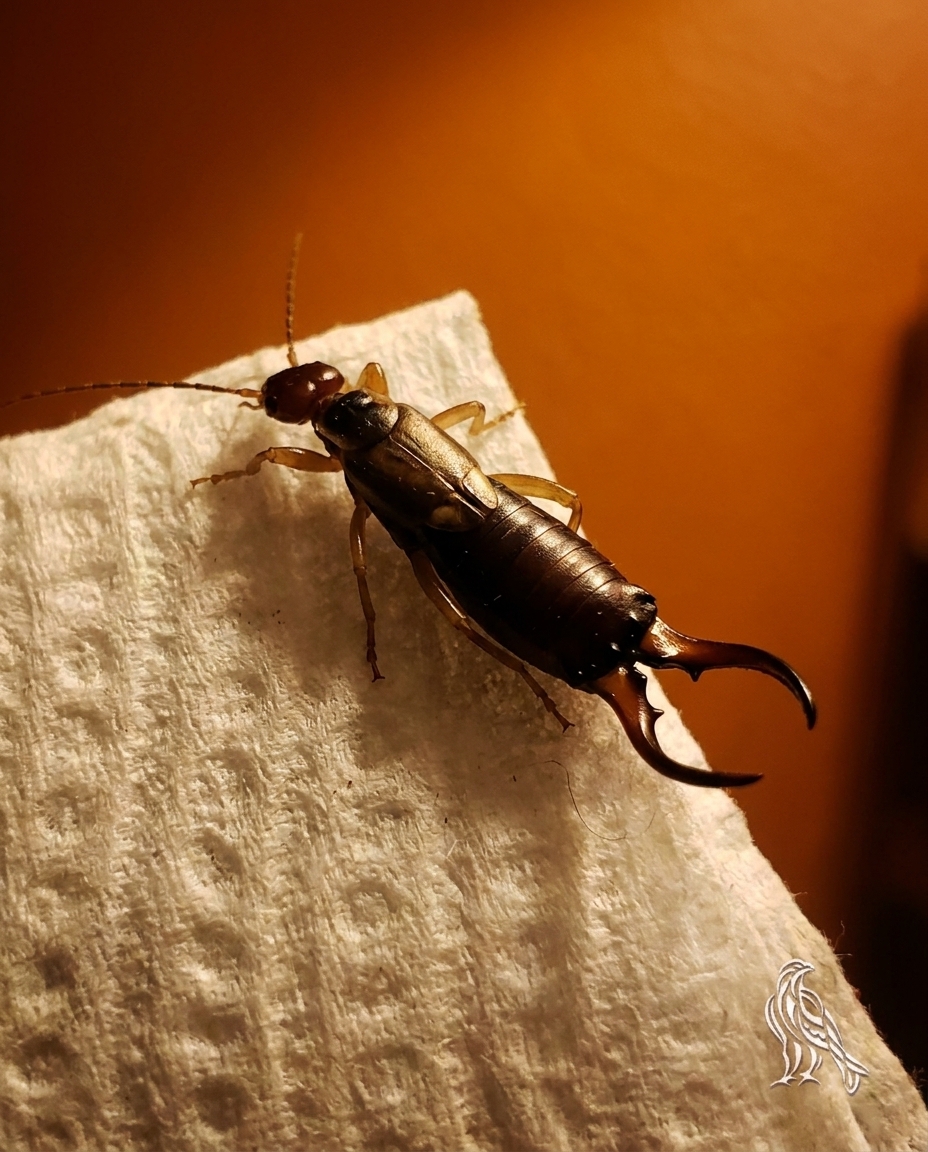
My sister-in-law, who lives nearby, messaged me too—she’d been seeing unusual insects around her place and said the description matched what she’d noticed. Suddenly, it didn’t feel like a random one-time incident. It felt like something had moved into the neighborhood.
Are Earwigs Dangerous to Kids?
Once the initial panic settled, I started reading from reputable sources and comparing notes with other parents. Here’s what helped me breathe again:
- Earwigs generally aren’t aggressive and don’t typically seek out people.
- They can pinch if trapped against skin, which may cause minor irritation or a small mark.
- They’re more likely to show up in areas with dampness and hiding spots—think mulch, leaf piles, wet wood, and clutter.
Even knowing that, I’m not going to pretend it felt “fine” in the moment. When it’s your child, the fear isn’t just the bite—it’s the uncertainty. Once you start wondering what else is out there, every rustle in the grass feels louder than it should.
Why Earwigs Show Up Around Homes
What we learned quickly is that earwigs are drawn to conditions many yards naturally have—especially in warmer months or after rainy weather. They tend to hide during the day and become more active at night. If your yard has:
- Overwatered garden beds
- Thick mulch or leaf litter
- Wood piles or damp boards
- Cracks around doors, windows, or the foundation
…you may be unintentionally creating the perfect environment for them to gather and occasionally wander indoors.
Simple, Family-Friendly Ways to Reduce Earwigs
We didn’t want to jump straight to harsh products—especially with kids and pets around—so we tried practical prevention first. A few tips that came up repeatedly (and made a real difference) were:
1) Reduce Moisture Outdoors
Cut back on excessive watering, fix leaky spigots, and improve drainage where water sits. Less moisture means fewer hiding places.
2) Clear the “Earwig Hotels”
We cleaned up leaf piles, moved stacked items off the ground, and trimmed back dense ground cover near the house.
3) Seal Entry Points
We checked door sweeps, window screens, and small cracks around the foundation. Even tiny gaps can become an easy pathway inside.
4) Try a Non-Chemical Trap
One parent recommended a simple method: place a shallow dish with a small amount of olive oil in problem areas outside. The idea is that earwigs are drawn in and can’t get back out. It’s not a miracle cure, but it can help reduce numbers without spraying strong chemicals around the yard.
Important: If a bite looks severe, swelling spreads, your child seems unwell, or you suspect an allergic reaction, contact a medical professional promptly.
The Bite Healed—But the Lesson Stuck
My son’s arm was back to normal within a few days. What lingered longer was the reminder that parenting can turn on a dime. A regular afternoon can become a “what just happened?” moment in seconds.
But we also learned something valuable: fear shrinks when you replace it with reliable information and a practical plan. Our house still feels like home—we’re just a little more aware of what’s hiding under the mulch.
Have you ever dealt with mysterious bites or unexpected backyard pests? Share what happened in the comments—your experience might help another parent feel less alone. And if you want more family-safe home and yard tips, stick around and explore our latest posts.