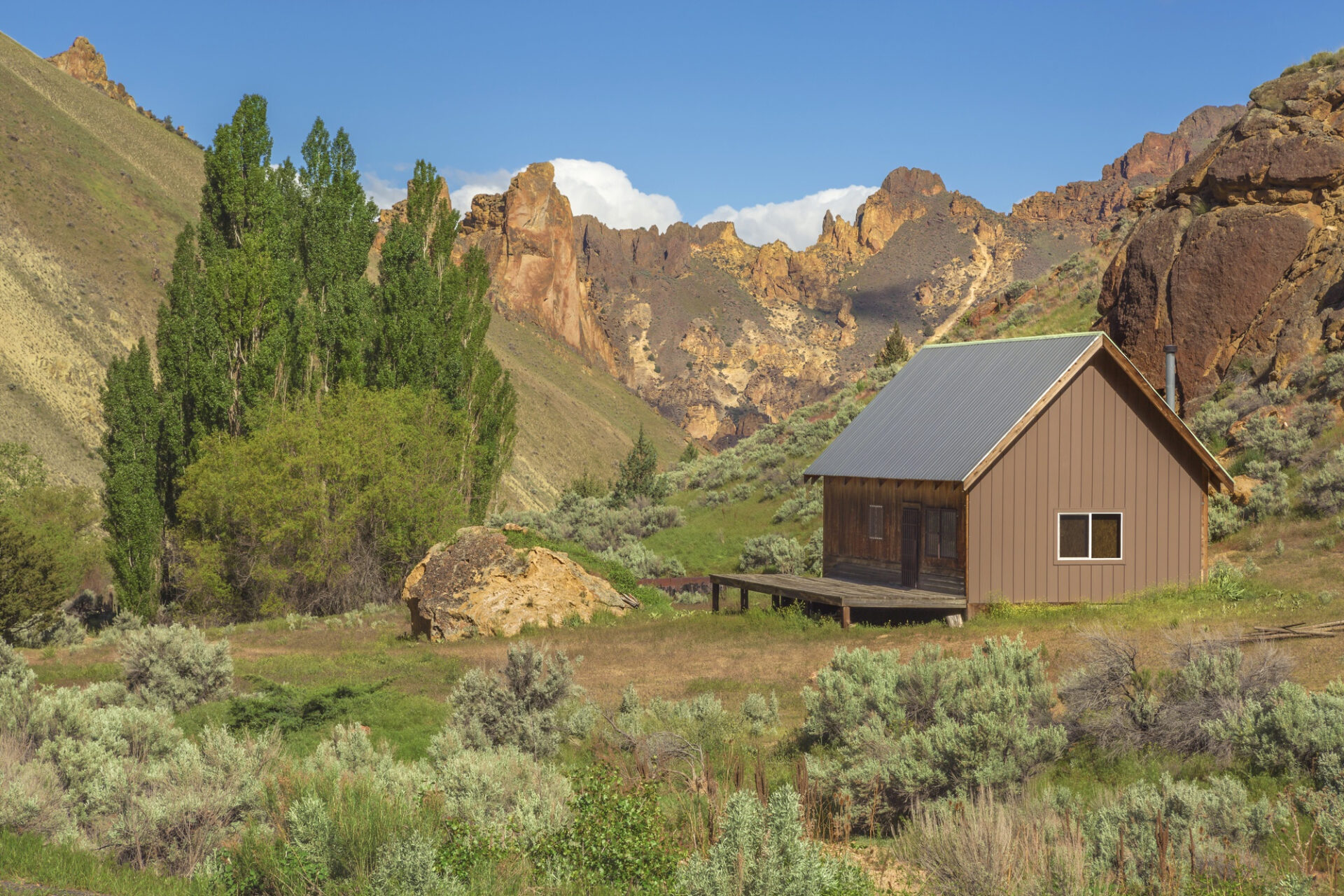
She was left the old family cabin and two hundred wooded acres in the Adirondacks.
Megan didn’t even try to hide her smirk. She joked that Claire had inherited “a forgotten shack” and a lifetime of repairs, property taxes, and headaches. No one corrected her. No one defended Claire. Not even their mother.
That silence hit harder than the teasing—because Claire had lived with it for years. Megan was the loud one, the celebrated one, the one people made room for. Claire was expected to be steady, quiet, and grateful for whatever scraps of attention were left.
The Inheritance Everyone Laughed At
In the days after the funeral, Megan kept the “cabin” joke alive. She brought up freezing winters, broken pipes, and the cost of maintaining remote land like it was a punchline. She hinted that Claire would sell it fast—because who would want to manage an isolated property hours from the nearest city?
Claire didn’t argue. She didn’t beg anyone to see value where they refused to look.
Instead, she studied what her father had left behind: the deed, old land surveys, and a worn brass key with a tag that had her name written in his unmistakable handwriting.
That key bothered her—in a good way. It felt intentional. Like her father had planned for this moment, down to the smallest detail.
So Claire packed her truck and drove north, following winding Adirondack roads that seemed to stretch forever. She expected dust, rot, and a place abandoned to time.
What she found was the opposite.
A Cabin That Didn’t Feel Abandoned
When Claire unlocked the door, the cabin felt… cared for.
Firewood was stacked neatly by the hearth. A lamp glowed softly, like someone had been there recently. The air didn’t smell like mildew or neglect. It smelled like pine and clean wood—like a home that had been waiting.
That first evening, a retired neighbor named Jack knocked on the door. He brought homemade food and the kind of calm presence you only find in people who’ve lived close to the land for decades.
Jack told Claire stories she’d never heard—about her great-grandmother Rose, a woman who treated that property like a living part of the family, not just an asset. Rose had protected the land fiercely, refusing to let outsiders carve it up for quick profit.
Then Jack said something that stuck:
“Your dad didn’t see this place as leftover. He saw it as responsibility.”
That night, Claire started looking more closely.
The Hidden Compartment Under the Floor
In the kitchen, one floorboard didn’t sit quite right.
Claire pried it up and found a concealed compartment—carefully made, not improvised. Inside were old photographs, legal documents, a simple gold ring, and a sealed letter in her father’s handwriting.
Her hands shook as she opened it.
The letter explained what her father had protected quietly for years.
The cabin wasn’t a “lesser inheritance.” It was the center of something bigger: the land carried valuable timber rights, long-term conservation protections, and a paper trail that proved the property had been guarded from outside interests for generations. It wasn’t just sentimental—it was a serious land ownership asset with long-term value.
But the most important part wasn’t about money.
Her father wrote that he chose Claire because he trusted her. He believed she understood patience, duty, and loyalty in a way Megan never had to learn. He didn’t want the land treated like a quick sale, a bragging point, or a bargaining chip.
He wanted a steward.
And he believed Claire was the only one who would protect it.
When Megan Found Out, Everything Changed
Word travels fast in families—especially when money might be involved.
When Megan learned there were hidden documents and that the property had more value than she assumed, her tone changed overnight. The teasing disappeared. In its place came sudden interest, “concern,” and questions that didn’t feel innocent.
As Claire worked with the attorney to review the records, another truth surfaced: Megan had already looked into ways to gain control of the cabin before their father passed away. She’d assumed Claire would reject it, sell it, or crumble under the pressure.
Claire didn’t.
With proper legal help, she secured her ownership, protected the land, and made sure it stayed exactly as her father intended—legally and permanently.
Even their mother, who had stayed silent in the attorney’s office, finally seemed to understand what had happened all along: Claire hadn’t been “less important.” She’d been the one their father trusted most.
The Real Inheritance Wasn’t the Property
Later, alone in the cabin, Claire held the letter and Rose’s ring in her palm. She looked around the room everyone had laughed at—the same room Megan called a burden.
And she realized something that settled deep in her chest:
The greatest inheritance her father left wasn’t just land, timber rights, or a valuable piece of Adirondack real estate.
It was dignity.
It was truth.
It was the certainty that, in the end, he saw her clearly—and trusted her with something worth more than appearances.
Closing CTA
If you’ve ever been underestimated by family—or surprised by what someone trusted you to carry—share your thoughts in the comments. And if you want more real-life stories about inheritance, family conflict, and unexpected second chances, bookmark this page and come back for the next one.