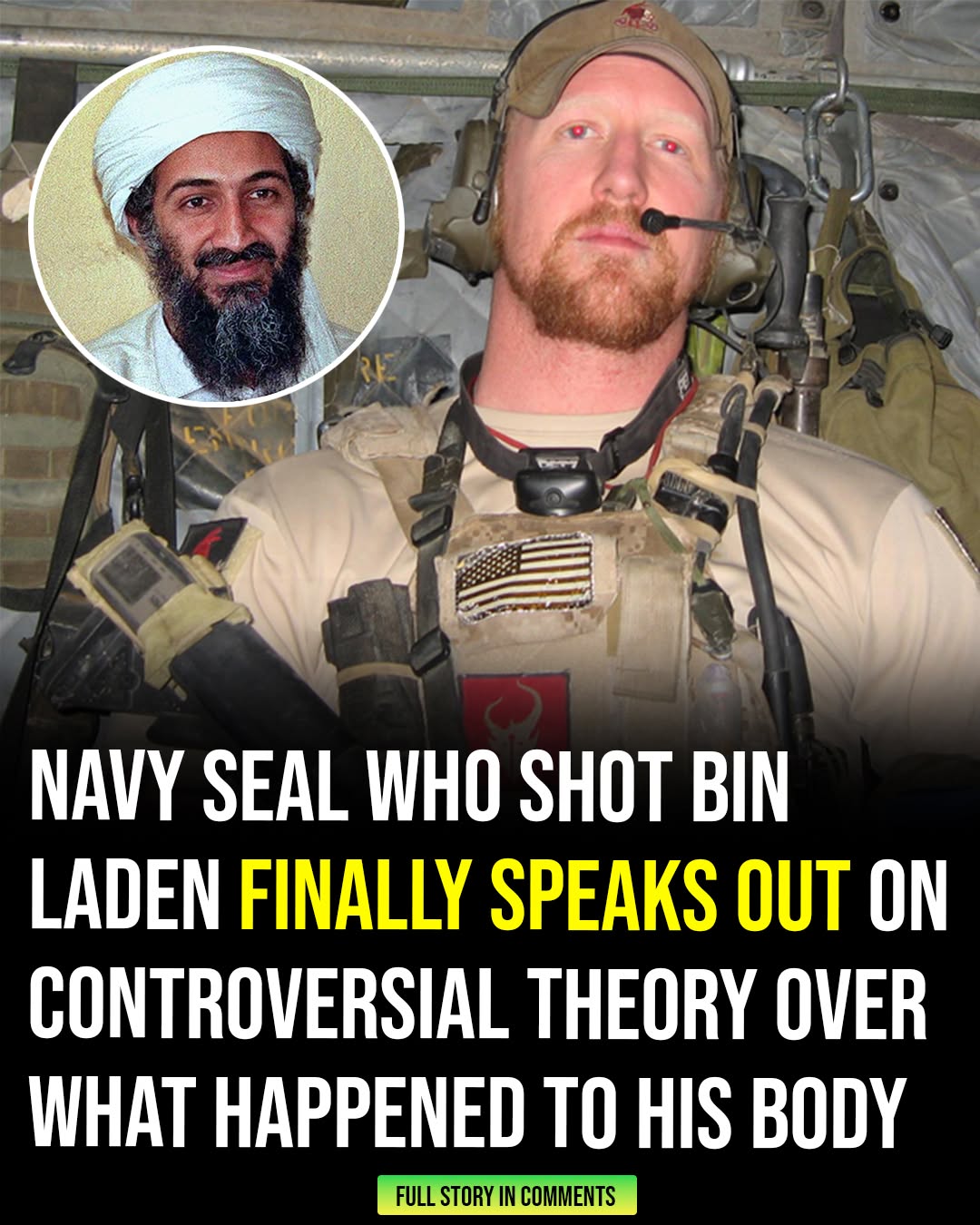
That gap helped fuel claims about body doubles, secret prisons, and even theories that bin Laden had not died during the raid at all. None of those claims have been supported by the official record, but they have remained part of the public conversation because the most sensitive evidence has stayed classified.
O’Neill has repeatedly defended the operation and the SEAL team involved. At the same time, he has made clear that he was not responsible for the burial that followed.
O’Neill’s blunt view of what should have happened
According to O’Neill, his role did not include deciding what happened to bin Laden’s body after the mission. He has also made a stark admission about his personal view, saying he would have preferred the body to be publicly displayed from a bridge in New York.
That comment reflects the anger many Americans still associate with bin Laden, but it also highlights the difference between a soldier’s personal emotions and the official decisions made after a sensitive military operation.
The burial at sea was presented as a way to avoid creating a physical grave site and to reduce the security risks that could come with one. Still, the absence of public images and the classified nature of the mission have continued to make the story a target for speculation.
The bigger picture
The bin Laden raid remains one of the most closely examined U.S. military operations of the modern era. It sits at the intersection of national security, public trust, classified evidence, and the limits of what governments choose to disclose after major events.
O’Neill’s comments do not end every theory, but they do add another reminder that the controversy is less about one detail and more about the public’s desire to see proof when the stakes are this high.
Years later, the story still shows how secrecy, security, and history can leave questions that continue long after an operation is over.