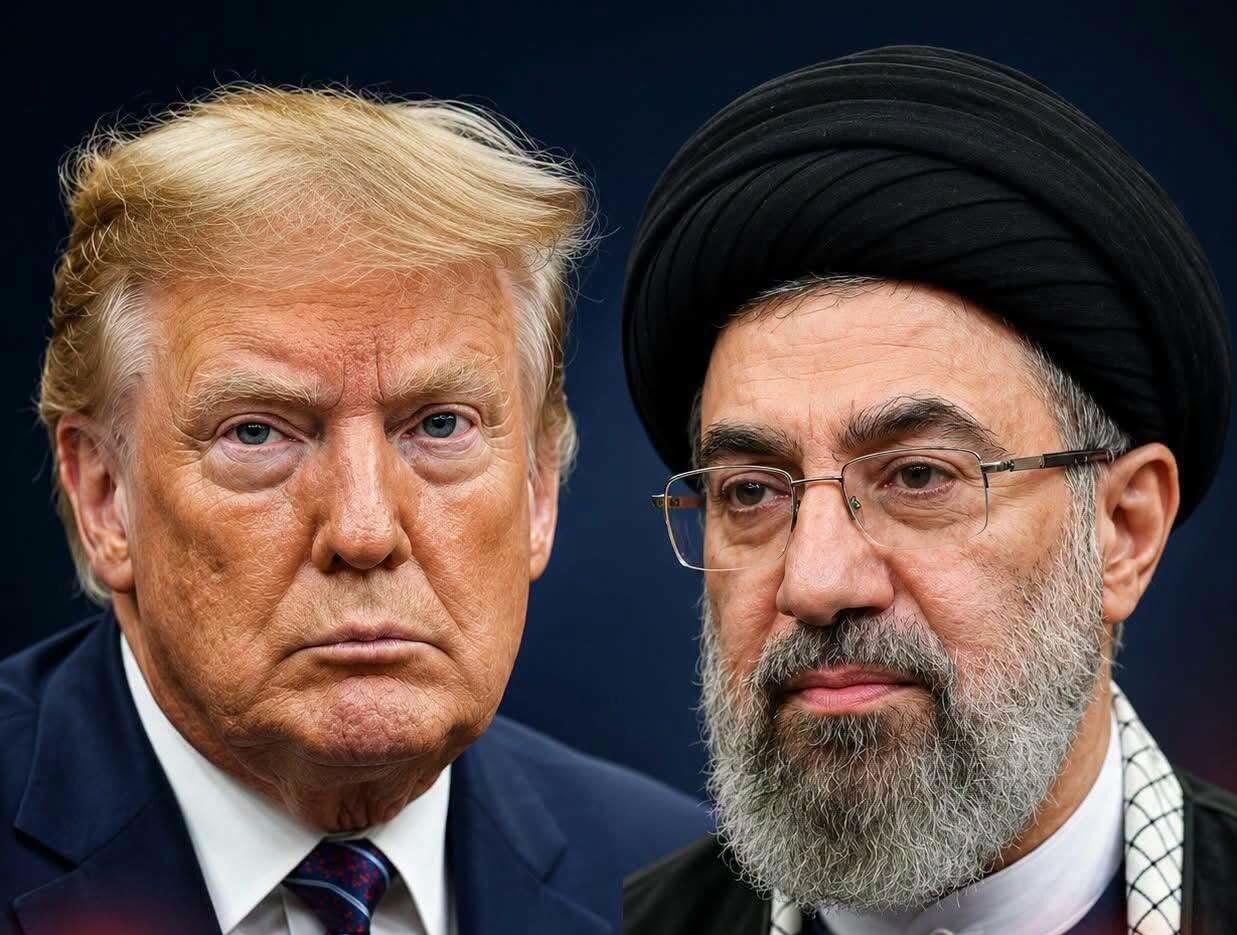
A Stark Warning About Iran’s Missile Capabilities Is Raising Global Concerns
Growing tensions in the Middle East have taken another dramatic turn after senior U.S. officials warned that Iran’s missile capabilities may extend far beyond what many previously believed.
The comments have reignited debate over regional security, long-range missile technology, and the potential risks facing countries well beyond the Middle East.
Missile Range Claims Spark New Questions
According to recent statements from U.S. officials, concerns intensified after reports that Iran launched missiles toward a military installation located thousands of kilometers away.
While the missiles reportedly failed to reach their intended target, officials argue the launch demonstrates a greater operational range than previously acknowledged.
The development has prompted renewed discussions about which regions could potentially fall within reach of advanced missile systems.
Why Global Security Experts Are Paying Attention
Military analysts have long monitored Iran’s missile program, viewing it as one of the most significant strategic components of the country’s defense infrastructure.
The latest claims have raised questions about:
Long-range missile capabilities
Regional military balance
NATO security concerns
Strategic defense planning
Future diplomatic negotiations
Security experts note that missile range remains a key factor in assessing geopolitical risk and military preparedness.
Nuclear Negotiations Face New Challenges
At the same time, ongoing discussions surrounding Iran’s nuclear program continue to face significant obstacles.
One major point of disagreement centers on the future of Iran’s enriched uranium stockpile.
Reports indicate that Iranian leadership remains opposed to transferring key nuclear materials outside the country, a position that conflicts with demands made by several international stakeholders.
The disagreement has become one of the most difficult issues facing negotiators.
International Pressure Continues to Build
Western governments and regional allies have repeatedly emphasized concerns about nuclear development, missile expansion, and broader security implications.
Meanwhile, Iranian officials argue that maintaining strategic resources is essential for national security and defense.
These competing positions have complicated efforts to reach a lasting diplomatic solution.
Regional Stability Remains Fragile
Although active military confrontations have eased in some areas, tensions remain elevated throughout the region.
Diplomatic observers continue monitoring developments involving:
Military deployments
Energy security
Strategic waterways
Regional alliances
Nuclear negotiations
Experts warn that even small developments could influence broader international relations in the months ahead.
The Strait of Hormuz Remains a Critical Factor
One of the most important geopolitical concerns continues to be the Strait of Hormuz, a vital route for global energy shipments.
Any disruption to activity in the region could have far-reaching economic consequences, affecting energy markets, supply chains, and international trade.
Because of its strategic importance, the area remains under close observation by governments around the world.
Diplomatic Efforts Continue Behind the Scenes
Despite public disagreements, negotiations have not stopped.
International mediators continue working to bridge differences between competing parties, with several governments encouraging dialogue rather than escalation.
While significant breakthroughs remain elusive, many analysts believe diplomacy remains the most realistic path toward reducing tensions and avoiding further instability.
What Happens Next Could Shape Regional Security
The coming months may prove critical as governments assess military developments, continue diplomatic discussions, and respond to evolving security concerns.
Whether through negotiation, policy changes, or international cooperation, decisions made now could influence regional stability for years to come.
Final Thoughts
The latest warnings surrounding missile capabilities, nuclear negotiations, and regional security underscore the complexity of today’s geopolitical landscape.
As global leaders continue navigating these challenges, the world will be watching closely for signs of progress, compromise, or further escalation.
What do you think will play the biggest role in reducing tensions—diplomacy, deterrence, or international cooperation? Share your thoughts and join the conversation below.